









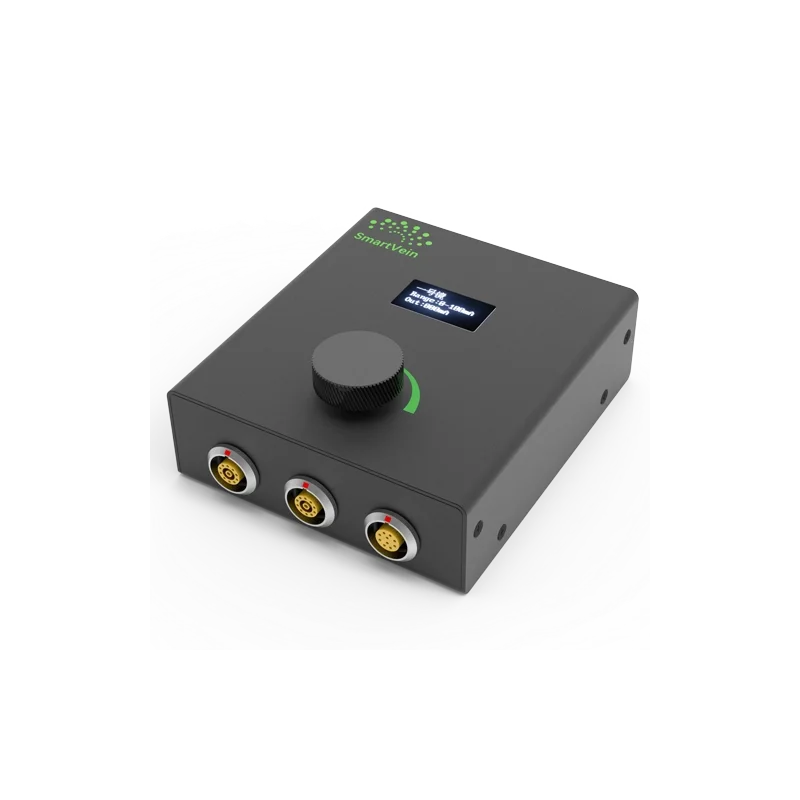
Medical endoscope image collectors play a pivotal role in modern diagnostic and surgical procedures, enabling physicians to visualize internal bodily structures with minimal invasion. The medical endoscope image collector is a sophisticated device designed to capture high-resolution images inside the human body during endoscopic procedures. It utilizes advanced optical and digital technology to ensure that healthcare professionals can obtain detailed, accurate, and real-time visual information of internal organs and tissues. With its ability to store and transmit these images securely, the medical endoscope image collector significantly enhances the quality and efficiency of modern medical practice.
Key Performance Metrics
Resolution and Clarity
At the heart of any endoscope image collector is its ability to capture high-resolution, clear images. Resolution is measured in pixels per inch (PPI) or dots per inch (DPI), and it determines the detail visible in the captured images. High-resolution images allow for more accurate diagnoses and detailed surgical planning. Manufacturers continuously strive to enhance resolution, often leveraging advanced CMOS or CCD sensors to capture finer details.
Color Accuracy and Dynamic Range
Color accuracy ensures that the images reflect true tissue colors, aiding in the identification of abnormalities. The dynamic range, on the other hand, refers to the contrast between the brightest and darkest areas in an image. A wide dynamic range is crucial for visualizing tissues with varying light absorption properties, such as those found in the gastrointestinal tract.
Frame Rate and Latency
In real-time applications like endoscopy, frame rate and latency are vital. A high frame rate ensures smooth video playback, reducing motion blur and enabling precise manipulation of surgical instruments. Low latency ensures minimal delay between the actual event and its display on the monitor, crucial for responsive surgical interventions.
Performance Evaluation Techniques
Objective Testing
Objective testing involves measuring the technical specifications of the endoscope image collector under controlled conditions. This includes assessing resolution, color accuracy, dynamic range, frame rate, and latency using standardized test charts and imaging targets. Objective tests provide quantifiable data that allows for direct comparisons between different models.
Subjective Assessment
While objective tests are crucial, subjective assessments by medical professionals also play a significant role. Physicians and surgeons evaluate image quality based on their experience and expertise, providing insights into how well the images translate into clinical practice. Subjective assessments often focus on overall image clarity, color rendering, and ease of use.
Optimization Strategies
Advanced Imaging Algorithms
One of the most effective ways to enhance image quality is through the use of advanced imaging algorithms. These algorithms can improve resolution, correct color balance, and enhance dynamic range in real-time. Machine learning and artificial intelligence techniques are increasingly being incorporated into these algorithms, enabling them to adapt to varying conditions and optimize image output dynamically.
Improved Sensor Technology
Advancements in sensor technology have significantly impacted the performance of endoscope image collectors. Newer sensors offer higher sensitivity, lower noise, and improved color fidelity. Manufacturers are continually developing new sensor architectures that balance resolution, speed, and power consumption, resulting in superior image quality and longer battery life.
Enhanced Illumination Systems
The illumination system is another critical component of endoscope image collectors. High-intensity LED lights and fiber-optic bundles provide bright, even illumination, reducing shadows and enhancing overall visibility. Adaptive illumination techniques, which adjust light output based on the imaging environment, further enhance image quality and reduce eye strain for the operator.
A Modern Endoscope Image Collector
To illustrate the practical application of these concepts, let's consider a modern endoscope image collector designed for laparoscopic surgery. This device features a high-resolution CMOS sensor with advanced image processing algorithms that enhance color accuracy and dynamic range. It boasts a frame rate of up to 60 frames per second, ensuring smooth video playback and low latency. The illumination system employs high-brightness LED lights with adaptive control, providing optimal lighting conditions for various surgical procedures.
Physicians using this endoscope image collector have reported significantly improved visualization of internal structures, leading to more accurate diagnoses and reduced surgical complications. The device's intuitive interface and compact design have also been praised, enhancing overall usability and patient comfort.
Conclusion
The performance of SmartVein Medical Technology medical endoscope image collectors is crucial for the success of modern diagnostic and surgical procedures. By focusing on key performance metrics such as resolution, color accuracy, dynamic range, frame rate, and latency, manufacturers can continuously improve the quality of these devices. Advanced imaging algorithms, improved sensor technology, and enhanced illumination systems are among the strategies being employed to optimize endoscope image collectors. As these technologies continue to evolve, the future of medical endoscopy looks increasingly promising, with improved patient outcomes and enhanced clinical efficiency.
Comments (0)