









In the crowded world of botanical extracts, some ingredients shout their presence with centuries of celebrity. Others, like Hedyotis Diffusa, work with a quieter insistence. Known as Bai Hua She She Cao in traditional contexts, this slender, creeping herb has a long history of use. Today, its concentrated extract is a standardized commodity in global supply chains, and a significant volume of it is produced by wholesale suppliers in China. This isn't a story of mystical transformation, but one of agricultural pragmatism meeting specific, growing demand.
Hedyotis Diffusa’s journey to a bulk extract begins with its transition from a wild-gathered plant to a cultivated crop. While it grows prolifically in southern China and across Asia, consistent commercial supply requires control. Suppliers have streamlined its production, cultivating it in defined agricultural zones. This move from foraging to farming is fundamental. It ensures a steady, scalable supply of raw material that can be harvested at optimal times, typically when the plant is in flower. This agricultural base allows for the consistent quality needed for industrial-scale extraction, turning a common herb into a reliable raw material.
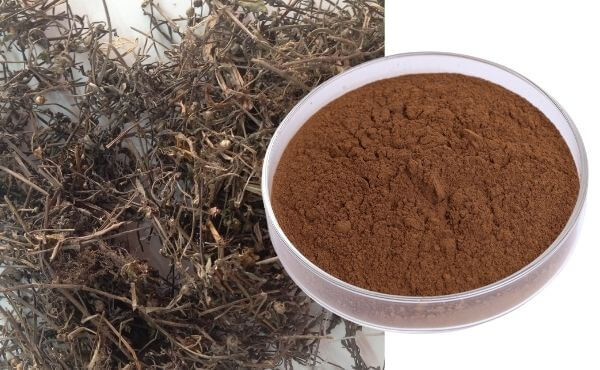
The rationale for extracting Hedyotis Diffusa, rather than simply selling the dried herb, is rooted in modern manufacturing needs. The herb is associated with a range of compounds, including flavonoids like quercetin and kaempferol, along with specific iridoids and polyphenols. To deliver a measurable, doseable amount of these actives into a capsule or tablet, concentration is key. Chinese suppliers typically employ water or ethanol extraction methods. The process involves steeping the dried plant material to draw out these water-soluble and alcohol-soluble compounds, followed by filtration, concentration, and finally, spray-drying into a fine, brownish-green powder. The result is a product that might be standardized to a marker, such as total flavonoids or a specific compound like ursolic acid. This creates a tangible, tradable specification—a 10:1 extract, or one with 5% total flavonoids—which is the language of commerce.
For a buyer, navigating this market requires a clear focus on specification and verification. The name "Hedyotis Diffusa" itself can be a point of confusion, as it is sometimes conflated with Oldenlandia diffusa, though they are considered synonymous in the trade. Clarity begins with the supplier’s Certificate of Analysis (CoA). A reliable CoA does more than state the product name; it details the extraction ratio, the standardization marker (if any), and, critically, the safety data. This includes tested levels of heavy metals, pesticide residues, aflatoxins, and microbial counts. Given that the final application is almost always for internal use in supplements, these safety parameters are non-negotiable. Due diligence involves requesting samples from multiple suppliers and conducting independent third-party testing to confirm that the powder in the bag matches the promises on the paperwork.
The price structure for this extract reflects its position as a mid-range botanical. It is not a rare, luxury ingredient, nor is it a dirt-cheap commodity. Cost is influenced by the degree of purification, the level of standardization, and the supplier's own quality control overhead. A non-standardized powder will cost less than one assayed and guaranteed for a specific flavonoid content. Suppliers range from large, GMP-certified facilities serving international brands to smaller specialists focused on the domestic market. The choice of partner often hinges on the buyer’s end-use and regulatory requirements.
The end-use is what ultimately drives this supply. While rooted in a traditional framework of "clearing heat and detoxifying," the modern application of Hedyotis Diffusa extract is as a supportive ingredient in broader wellness formulas. It is commonly found in supplement blends targeting liver health, immune support, and general antioxidant protection. Its role is often complementary, working alongside other herbs. This application dictates the volumes required—large enough for substantial production runs, but specialized enough to necessitate a supplier familiar with the herb’s particular properties and processing needs.
Ultimately, sourcing wholesale Hedyotis Diffusa extract from China is a practical link in a global manufacturing chain. It connects the sprawling fields where this common herb is grown to the precise encapsulation machines filling bottles on another continent. The supplier’s role is to be that consistent, analytical bridge: transforming a harvested plant into a tested, standardized powder with a verifiable chemical profile. For brands, it offers access to an ingredient with a deep historical footprint, delivered in the modern, unromantic, but essential form of a bulk powder, sealed in a drum and accompanied by a sheaf of lab reports. The story is in the history, but the value is in the consistent, deliverable gram.
Comments (0)