








In many industries—pharmaceuticals, food, cosmetics, and personal care—the shift toward flexible packaging such as aluminum film bags, mask pouches, and small paper boxes has accelerated. These packaging formats offer convenience and protection, but they also introduce a critical challenge: ensuring that every printed element on the package is accurate, legible, and compliant.
For business owners operating in high-volume environments, print defects are more than a cosmetic issue. Misprints can result in costly recalls, mislabeling risks, or disrupted production. Understanding how automated print inspection works—and why it is becoming essential—can help companies strengthen quality assurance while reducing operational burdens.
The Growing Complexity of Flexible Packaging Quality Control
Flexible packaging materials, especially aluminum films, often carry essential information such as batch numbers, expiry dates, ingredient lists, or regulatory codes. But their reflective surfaces, varying thicknesses, and diverse printing technologies (thermal, inkjet, embossing, etc.) can make inspection difficult.
Common challenges include:
-
Missed or incomplete coding during high-speed production
-
Color deviations caused by ink inconsistencies
-
Smudges or blurs resulting from material friction
-
Stacked or overlapped materials that escape manual detection
-
Incorrect print content due to upstream setup errors
With increasing regulatory scrutiny and customer expectations, relying solely on human visual checks becomes insufficient.
How Automated Inspection Strengthens Print Accuracy
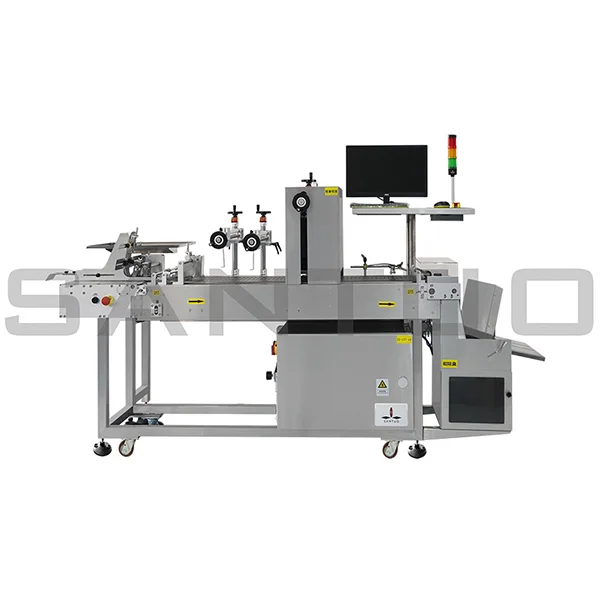
Automated print inspection systems designed for aluminum film and similar materials combine material separation, coding verification, and visual inspection into a unified workflow. These systems are built to detect subtle defects that human operators often miss.
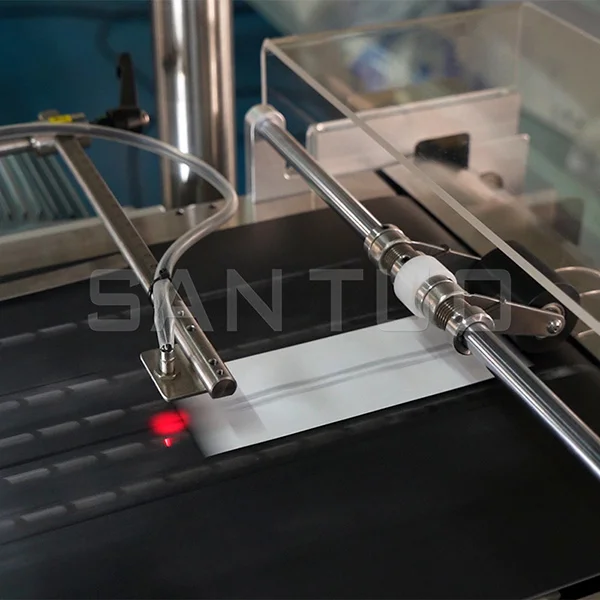
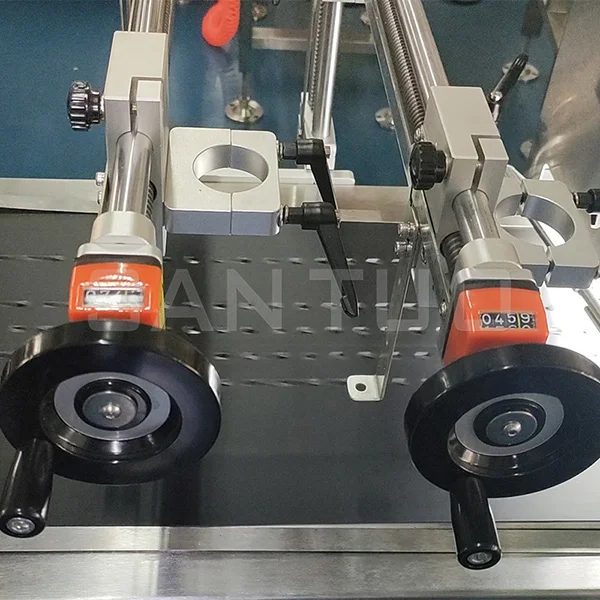
A practical reference is the Aluminum Film Print Inspection Machine, which demonstrates how separation, coding, double-feed detection, and intelligent rejection can be integrated into one platform. Such systems help ensure that only properly coded and defect-free materials move downstream, supporting both compliance and efficiency.
Key Capabilities That Matter for Business Owners
1. Reliable Defect Detection
Modern inspection systems can detect issues such as missing characters, incorrect prints, discoloration, smudges, and misalignment. High-resolution cameras paired with image analysis algorithms increase sensitivity while reducing false positives.
2. Intelligent Material Separation
Before inspection even begins, automated feeders ensure that individual pouches or cartons enter the line correctly. Abnormal materials—such as stacked or misaligned items—are identified and rejected early, preventing downstream interruptions.
3. Automated Rejection for Quality Protection
Automated reject mechanisms immediately remove defective or unprinted units, protecting product integrity and minimizing the risk of defective items being packed or shipped.
4. Higher Efficiency with Lower Labor Dependency
Automating print inspection minimizes repetitive manual checking and reduces the risk of fatigue-related errors. This is especially valuable for manufacturers operating multiple shifts or managing seasonal spikes.
5. Better Compliance and Consistency
Regulated industries depend on accurate coding for traceability, audits, and consumer safety. Automated inspection maintains printing consistency at scale, helping companies meet internal QA standards as well as external regulatory requirements.
6. Long-Term Cost Reduction
Preventing defective packaging from entering the supply chain mitigates the risk of product rework, customer complaints, or recalls—each of which can quickly escalate costs.
Building a Reliable Print Quality Strategy
For many manufacturers, print inspection is no longer a standalone task but part of a broader quality assurance strategy. Integrating automated inspection into the packaging line helps standardize quality, stabilize production, and ensure data integrity across every batch.
A thoughtful approach combines:
-
Preventive maintenance of printers
-
Automated print capture and comparison
-
Real-time rejection and logging
-
Continuous improvement based on defect analytics
By strengthening these foundations, companies can deliver consistent packaging quality without slowing down production.
https://www.santuomachine.com/why-print-integrity-on-flexible-packaging-matters-more-than-ever.html
Comments (0)