








In high-precision industries such as electronics manufacturing, medical device assembly, and industrial automation, fluid dispensing accuracy is not just a requirement—it is a critical determinant of product quality and process efficiency. Whether handling solder paste, epoxy, grease, or sealing silica gel, even minor inconsistencies in fluid delivery can lead to defects, waste, and increased production costs.
Among the advanced tools developed to address these challenges, the TT Needle has emerged as a highly specialized solution. With its funnel-shaped geometry and engineered connection system, it offers superior control, consistency, and compatibility across a wide range of dispensing applications.
Manufacturers like Contriu are at the forefront of this innovation, delivering high-performance TT needles designed for modern precision dispensing systems.
1. Understanding the Functional Design of TT Needles
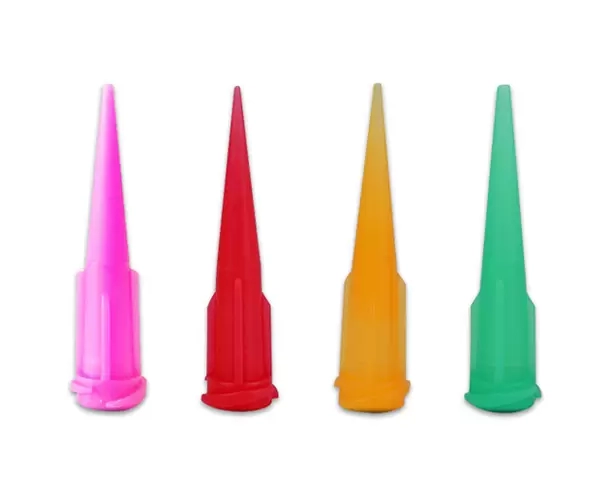
The TT needle, often referred to as a TT inclined dispensing needle, is engineered to optimize fluid dynamics during dispensing operations.
Key structural features include:
● Funnel-shaped internal channel
This design reduces flow resistance and allows fluids to move smoothly without turbulence.
● Inclined needle geometry
Enhances directional control and supports accurate placement in confined or angled dispensing environments.
● Double spiral connection system
Ensures a secure, leak-proof interface with syringes and rubber valves.
These features make high precision TT needles for fluid dispensing systems particularly suitable for applications requiring consistent output and minimal material waste.
2. Material Composition and Its Impact on Performance
Material selection plays a critical role in determining the durability, chemical resistance, and precision of dispensing needles.
TT Needle material specifications:
◆ Needle tube: Stainless steel
● High corrosion resistance
● Excellent mechanical strength
● Suitable for aggressive or reactive fluids
◆ Needle seat: PP (Polypropylene)
● Lightweight and chemically stable
● Provides secure and reliable connection
● Compatible with a wide range of industrial fluids
This combination ensures that stainless steel TT dispensing needles for industrial fluids maintain structural integrity and consistent performance even under demanding operating conditions.
3. Fluid Compatibility and Application Flexibility
One of the defining advantages of TT needles is their versatility across multiple fluid types.
Compatible materials include:
● Solder paste for PCB assembly
● Epoxy resins for bonding applications
● Industrial grease for lubrication systems
● Sealing silica gel for waterproofing and insulation
The optimized internal flow path makes TT needles for epoxy, solder paste, and silicone dispensing highly effective in maintaining uniform flow rates and preventing clogging.
4. Engineering Benefits in Precision Dispensing
4.1 Smooth Fluid Flow Dynamics
The funnel-shaped design minimizes shear stress and turbulence, ensuring stable and predictable dispensing behavior. This is especially important in micro-dispensing applications where flow irregularities can lead to defects.
4.2 Leak-Proof and Secure Connections
The double spiral design enhances the mechanical engagement between the needle and syringe. This reduces the risk of leakage, disconnection, or pressure loss during operation.
For manufacturers, TT needles with double spiral connection for secure dispensing improve both safety and efficiency on the production line.
4.3 Reduced Clogging and Maintenance
Traditional dispensing needles often suffer from clogging when handling viscous or particle-filled fluids. TT needles, with their optimized geometry, significantly reduce this issue.
This results in:
● Lower downtime
● Reduced maintenance frequency
● Improved production continuity
5. Industrial Applications of TT Needles
TT needles are widely used in industries where precision fluid control is essential:
Electronics Manufacturing
PCB solder paste application
Micro-component bonding
Automotive Industry
Sealant and adhesive dispensing
Lubrication systems
Medical Device Assembly
Controlled application of biocompatible adhesives
Industrial Automation
High-speed dispensing systems
Robotic fluid application processes
Companies like Contriu design custom TT needles for automated dispensing equipment to meet the specific requirements of these industries.
6. Choosing the Right TT Needle for Your Application
Selecting the appropriate TT needle involves several technical considerations:
Viscosity of Fluid
High-viscosity materials require larger inner diameters and optimized flow paths.
Dispensing Precision Requirements
Micro-dispensing applications demand tighter tolerances and finer needle gauges.
Compatibility with Equipment
Ensure proper matching with syringes, valves, and automated dispensing systems.
Chemical Resistance
Material compatibility must be evaluated based on fluid composition.
Working with experienced manufacturers such as Contriu ensures that the selected precision TT dispensing needle solution aligns with both operational and performance requirements.
Conclusion
The TT Needle represents a significant advancement in precision fluid dispensing technology. Through its funnel-shaped design, stainless steel construction, and secure double spiral connection, it delivers consistent performance across a wide range of industrial applications.
As manufacturing processes demand higher accuracy, efficiency, and reliability, solutions like TT needles are no longer optional—they are essential. With strong engineering capabilities and application expertise, Contriu continues to provide high-quality dispensing solutions that meet the evolving needs of modern industries.
https://www.contriu.com/industry/the-engineering-advantage-of-tt-needles.html
Comments (0)