









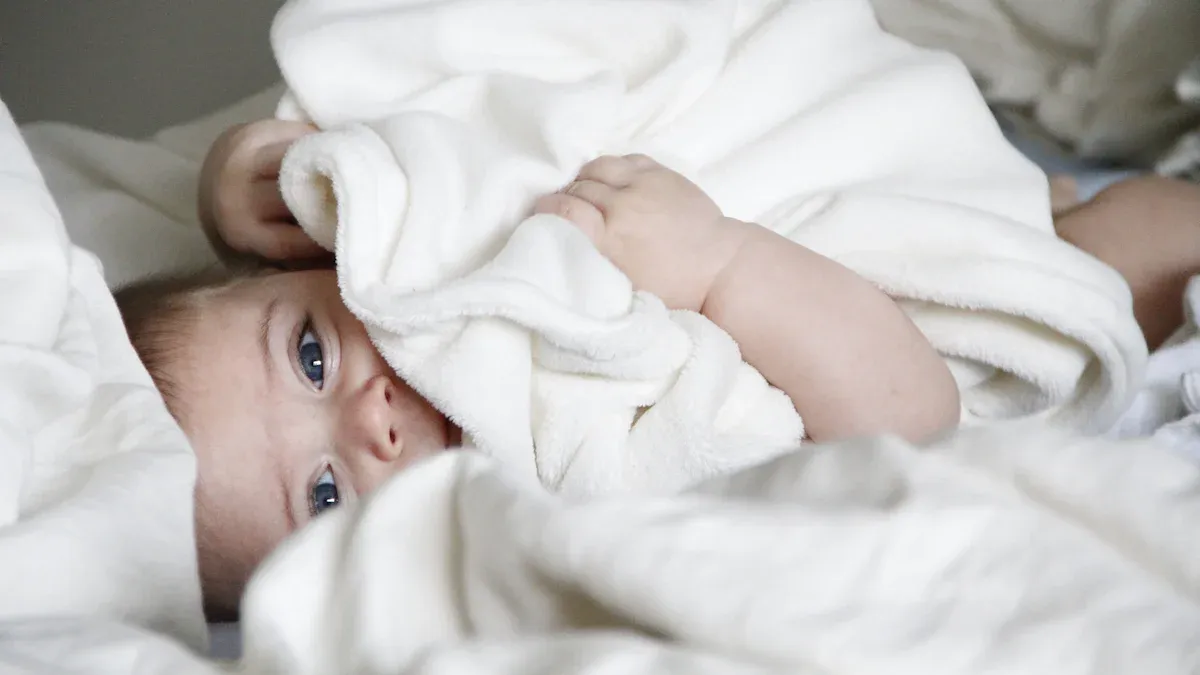
You want your organic cotton baby blanket to stay soft and safe for your baby. Using gentle, chemical-free care helps protect sensitive skin. It also keeps harmful things away. With the right care, you help your baby feel comfortable. You also help the planet. This makes every baby blanket last through many snuggles.
Key Takeaways
-
Use a mild, eco-friendly detergent to keep your baby's blanket soft and safe. Look for labels that say 'fragrance-free' and 'dye-free' to avoid skin irritation.
-
Wash your organic cotton blanket in cold water on a gentle cycle. This prevents shrinking and keeps the fabric strong and cozy.
-
Air dry your blanket whenever possible to maintain its shape and softness. If using a dryer, set it to low heat to avoid damaging the fibers.
Washing Organic Cotton Baby Blankets
Caring for your organic cotton baby blanket starts with the right wash routine. You want to keep it soft, safe, and looking new for as long as possible. Let’s break down the best washing practices for every type of baby blanket.
Choosing Detergents
You want to pick a detergent that’s gentle on both your baby’s skin and the planet. Here’s what works best:
-
Use a mild, eco-friendly detergent made for babies.
-
Choose a non-bio liquid detergent. These skip harsh enzymes that can irritate sensitive skin.
-
Avoid bleach, fabric softeners, and strong chemicals.
Eco-friendly detergent is a smart choice for every wash. Most baby-safe product detergents leave out fragrances and dyes. This helps prevent rashes and keeps your blanket gentle for daily snuggles. You also support sustainability by choosing products with fewer additives.
Tip: Always check the label for “fragrance-free” and “dye-free” to make sure your detergent is safe for delicate skin.
Water Temperature & Wash Cycles
The way you wash organic cotton matters just as much as the detergent you use. Follow these steps for gentle washing:
-
Always use cold water. This prevents shrinking and keeps the fabric strong.
-
Pick a gentle machine cycle or delicate cycle. This protects the fibers and keeps your blanket soft.
-
Place your blanket in a mesh laundry bag if you want extra protection.
Hot water can make cotton shrink and lose its shape. Cold water helps your organic cotton baby blanket last longer and stay cozy. Gentle cycles also help the fabric stay smooth and fluffy. Many parents notice their blankets get even softer with each gentle cycle.
Washing by Blanket Type
Not all blankets are the same. Each type needs a little special care:
|
Blanket Type |
Washing Method |
Drying Method |
Extra Care Tip |
|---|---|---|---|
|
Swaddle Blanket |
Machine wash cold |
Tumble dry low |
Avoid bleach; iron on low if needed |
|
Toddler Blanket |
Machine wash cold |
Tumble dry low |
Pre-shrunk, so no shrinkage |
|
Lovie Blanket |
Hand wash or gentle machine |
Flat dry |
Don’t rub plush motifs |
|
Premium Wool Blanket |
Wool detergent, delicate |
Flat dry |
Use wool conditioner for softness |
You can wash swaddle and toddler blankets together if you use a gentle cycle and cold water. Lovie blankets need a little more care—hand wash or use the delicate cycle, and always lay them flat to dry. For wool blankets, use a wool-specific detergent and flat dry to keep them fluffy and warm.
All our blankets use OEKO-TEX® certified fabrics. This means they’re tested for harmful substances and meet strict safety standards. You can trust that every blanket is a baby-safe product, perfect for sensitive skin.
Note: OEKO-TEX® certification gives you peace of mind. Your baby’s blanket is free from harmful chemicals and safe for everyday use.
By following these steps, you make sure your organic cotton baby blanket stays soft, clean, and safe. Gentle washing and the right detergent help your blanket last through every cuddle and nap.
Drying and Air Care for Baby Blankets
Air Drying vs. Low Heat
When it comes to drying your baby blanket, you have two main choices. You can use air drying or a low heat tumble dryer. Many parents prefer air drying because it is gentle and helps your blanket last longer. Here’s why air drying is a smart move:
-
It keeps the fabric strong and soft.
-
It helps your blanket keep its shape.
-
It avoids damage from high heat.
Low heat tumble drying works if you need your blanket dry fast. Just make sure you use the lowest setting. High heat can break down the fibers and make your blanket shrink. You want to avoid that, especially with organic cotton.
Air drying whenever possible helps preserve shape and structure. Dryers are convenient, but heat is one of the fastest ways to damage clothing. High temperatures reduce the strength of fibers, cause shrinkage, and affect elasticity.
Flat Drying for Shape
You want your blanket to look nice and fit your baby well. Lay your blanket flat on a clean towel or drying rack. This keeps it from stretching or getting misshapen. Flat drying works best for knit and wool blankets.
For knit cotton blankets, especially chunky knits, laying flat to dry prevents stretching and helps them maintain their shape beautifully.
Sunlight and Shrinkage
Sunshine can help freshen your blanket, but too much sun can fade colors and cause shrinkage. Place your blanket in a spot with good airflow, but out of direct sunlight. This way, air drying keeps your blanket soft and bright.
If you care for a wool blanket, always air dry it flat and use a wool conditioner to keep it fluffy and gentle for your baby.
Stain Removal for Organic Cotton
Spot Cleaning Methods
Babies can make messes, but you can handle stains with a gentle touch. When you see a spill or spot, act fast. Grab a clean cloth and blot the stain. Use cold water to rinse the area. This helps lift the stain without setting it deeper into the fabric. Add a small drop of non-bio detergent and gently dab the spot. You do not need to scrub hard. For lovie blankets, avoid rubbing the plush motifs. This keeps them soft and looking new.
Tip: Always test your cleaning method on a small corner first. This helps you avoid surprises.
Safe Stain Removers
You want to keep your baby’s blanket safe and chemical-free. Many stain removers work well without harsh ingredients. Here are some top choices for organic cotton baby blankets:
|
Product Name |
Features |
Safe for Babies |
Natural Ingredients |
|---|---|---|---|
|
Molly Suds Stain Remover |
Uses enzymes for various stains, unscented, suitable for sensitive skin |
Yes |
Yes |
|
Ingredients Matter laundry stick |
Safe formulas, effective for all types of stains |
Yes |
Yes |
|
SmartKlean’s stain remover bar |
Uses eucalyptus essential oil for scent, effective for various fabrics |
Yes |
Partially |
|
Plantish stain remover bar |
Plastic-free, fragrance-free, plant-based |
Yes |
Yes |
You should avoid bleach and harsh chemicals. These can damage organic cotton fibers, making your blanket less soft and less durable. Here’s why you want to skip them:
-
Bleach and strong chemicals break down the fibers.
-
They can make the blanket rough and shorten its life.
-
Bleach is not safe for organic cotton baby blankets.
Choose gentle, natural cleaners to keep your blanket fresh and safe for your baby.
Storing Baby Blankets Properly
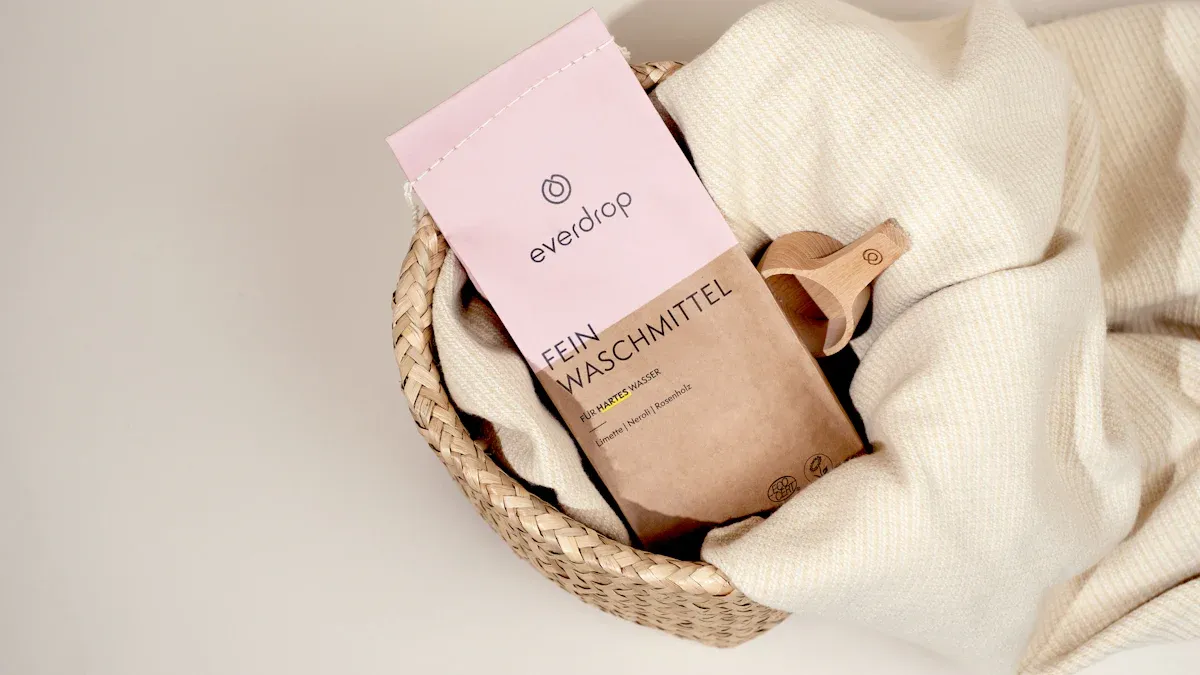
Keeping Blankets Fresh
You want your baby’s blanket to smell clean and feel soft every time you use it. Start by making sure the blanket is completely clean and dry before you put it away. Even a little bit of moisture can lead to mildew or musty smells. Wash your blanket with a gentle detergent, then let it dry fully—air drying works great for this.
Pick a cool, dry spot in your home for storage. Good airflow helps keep blankets fresh. If your space feels damp, try using a dehumidifier to lower the humidity. You can also roll your blankets instead of folding them. Rolling helps prevent creases and keeps the fabric looking smooth.
Tip: Place a dryer sheet or a small cedar plank in your storage bin to add a fresh scent and help keep pests away.
Protection from Dust & Moisture
You want to protect your baby blanket from dust and moisture while it’s stored. Choose breathable cotton bags or pillowcases instead of plastic containers. Cotton bags let air move around, which helps prevent mold and keeps the blanket soft.
Here’s a quick look at storage options:
|
Container type |
Best for |
Mold and damage considerations |
|---|---|---|
|
Clear plastic bins |
Toys, bulky items |
Only use with fully dry blankets; tight lids keep out dust/moisture |
|
Cotton bags/pillowcases |
Blankets, linens, special outfits |
Breathable; protect from dust, allow moisture to escape |
Store your blankets in an airy, dry place. Avoid basements or attics where humidity can get high. Rotate your blankets every few months. This helps them wear evenly and keeps them feeling fresh for your baby’s next snuggle.
Care for Organic Cotton—Mistakes to Avoid
Harsh Chemicals & Softeners
When you care for organic cotton, you want to keep things simple. Many parents think fabric softeners or bleach will make blankets cleaner or softer. In reality, these products can do more harm than good. Harsh chemicals break down the natural fibers in your baby’s blanket. They can leave behind residue that attracts dust mites and makes the fabric less breathable. Fabric softeners coat the cotton, which can make it feel less soft over time. You want your baby’s blanket to stay gentle and safe, so always choose mild, baby-friendly detergents.
Tip: Always check the care label before washing. It gives you the best advice for your specific blanket.
Overwashing & High Heat
Washing your blanket too often or using high heat can shorten its life. You might think more washing means more cleanliness, but it can actually wear out the fabric. Here’s what can happen if you overwash or use too much heat:
-
Overwashing causes the fabric to rub and wear out faster.
-
High heat in the washer or dryer weakens the cotton fibers and can shrink the blanket.
-
Hot water cycles can damage the cotton’s structure, leading to pilling.
-
Strong detergents leave residue that attracts dust and makes the blanket less breathable.
-
Too much sunlight can make cotton yellow and brittle.
To care for organic cotton, always use cold water and gentle cycles. Avoid high heat when drying. Follow the care label and any product-specific tips. You can even add a splash of vinegar to the rinse cycle to help keep colors bright and prevent fading.
By avoiding these common mistakes, you help your baby’s blanket stay soft, safe, and ready for every cuddle.
You want your organic cotton baby blanket to be soft and safe for your baby. Using gentle care without chemicals helps protect sensitive skin. It also keeps the blanket warm and comfy. If you follow these steps, your blanket will last longer. Your baby will feel cozy, breathe easily, and you will not have to worry.
-
Try to use these care habits every time. This helps your baby stay happy and healthy.
FAQ
Can I use regular detergent for my baby’s blanket?
You should use a mild, fragrance-free detergent. Regular detergents can leave residue and may irritate your baby’s skin.
How often should I wash my baby’s blanket?
You can wash it once a week or when it gets dirty. Washing too often can wear out the fabric.
Is it safe to iron my organic cotton baby blanket?
You can iron on low heat if needed. Always check the care label first. High heat can damage the fabric.
https://www.liangliangbaby.com/caring-for-organic-cotton-baby-blanket-tips-and-best-practices.html
Comments (0)