








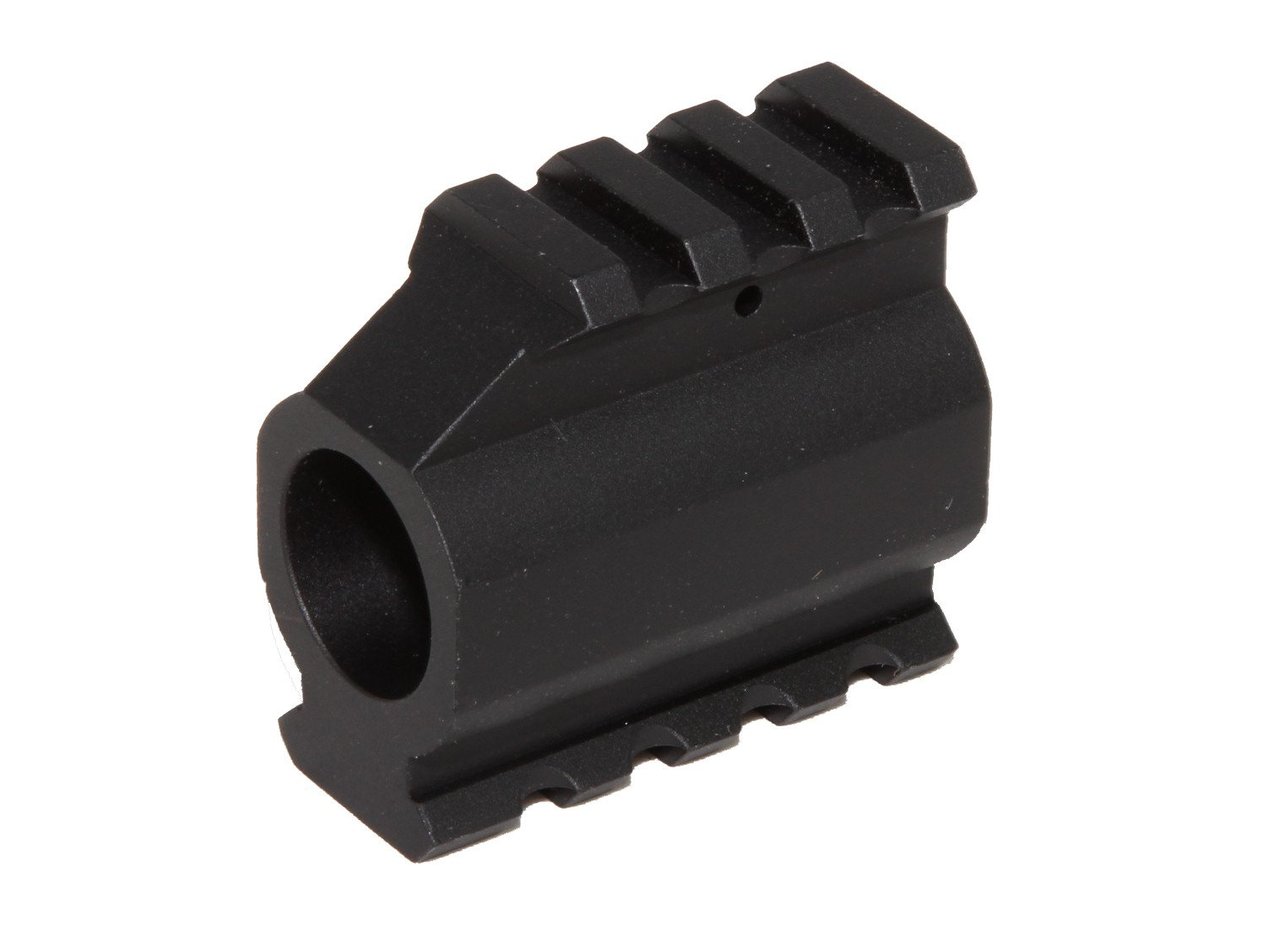
When exploring modern firearm components, some parts receive plenty of attention while others quietly perform an essential job. The gas block is one of those components. Although relatively small, it plays an important role in the operation of many gas-operated firearms by managing the flow of propellant gas within the system.
For firearm owners, enthusiasts, and anyone researching replacement components, understanding what a gas block does can make it easier to recognize differences in designs, materials, and compatibility.
What Is a Gas Block?
A gas block is a component used on certain gas-operated firearms to interact with the gas produced when a cartridge is fired. It is positioned around the barrel in systems designed to use a portion of that gas as part of the firearm's operating cycle.
In simple terms, the gas block serves as an interface between the barrel's gas system and the components responsible for cycling the action. Its design can vary depending on the firearm platform and configuration.
Because different firearms use different gas-system arrangements, compatibility is an important consideration when selecting any replacement component.
Why Does a Gas Block Matter?
A properly designed gas block contributes to the overall function of a compatible firearm's gas system. It is not simply a structural component; its design, construction, and fit can influence how the gas system operates.
Several characteristics may distinguish one gas block from another, including:
- Material and overall construction
- Compatibility with a particular barrel and platform
- Profile and physical dimensions
- Finish and corrosion resistance
- Manufacturing quality
- Intended application
These details matter because firearm components are not universally interchangeable. Checking manufacturer specifications and obtaining professional guidance where necessary is always important.
Common Types of Gas Blocks
Gas blocks are available in several configurations to accommodate different firearm designs and user requirements.
Fixed Gas Blocks
A fixed gas block is designed around a particular gas-system configuration. It is generally selected when a consistent, established setup is desired.
Adjustable Gas Blocks
Adjustable designs allow controlled changes to gas flow within compatible systems. Because firearm configurations vary considerably, adjustment should be approached carefully and according to the manufacturer's instructions.
Low-Profile Designs
Low-profile gas blocks are designed with a compact shape that can be suitable for certain modern handguard configurations. Their dimensions and compatibility should always be checked before purchase.
Choosing the Right Gas Block
Selecting a gas block starts with compatibility rather than appearance. Before purchasing, consider the firearm platform, barrel specifications, gas-system requirements, and manufacturer's stated compatibility information.
Quality is another important factor. A well-manufactured component can provide confidence in construction and long-term use when correctly matched to the firearm.
At Tacrail, customers can explore firearm components with attention to product specifications and practical compatibility considerations. Taking time to understand the component before making a purchase can help avoid choosing a part simply because it looks suitable.
Why Build Quality Matters
Firearm components operate within demanding environments. Heat, pressure, repeated cycling, and regular handling make construction quality an important consideration.
A gas block should therefore be evaluated as part of the complete firearm system rather than as an isolated accessory. Materials, manufacturing standards, finish, and dimensional consistency can all be relevant when comparing products.
Final Thoughts
The gas block may be a small component, but it has an important place in compatible gas-operated firearm systems. Understanding its purpose, available configurations, and compatibility requirements can help firearm owners make more informed decisions.
Rather than focusing solely on appearance or price, consider specifications, construction quality, and compatibility with the intended platform. For product information and component options, Tacrail provides a place to explore relevant firearm parts while keeping informed selection at the center of the process.
Comments (0)