







Automotive smart film is becoming an innovative solution for modern vehicle glass, offering flexible privacy control, glare reduction, and improved driving comfort. Unlike traditional car window tint, which maintains a fixed level of darkness, automotive smart film can switch between transparent and frosted states with electrical control.
But does automotive smart film really work? Can it effectively protect privacy, reduce sunlight, and withstand extreme automotive environments? Let's take a closer look at its technology, benefits, limitations, and practical applications.
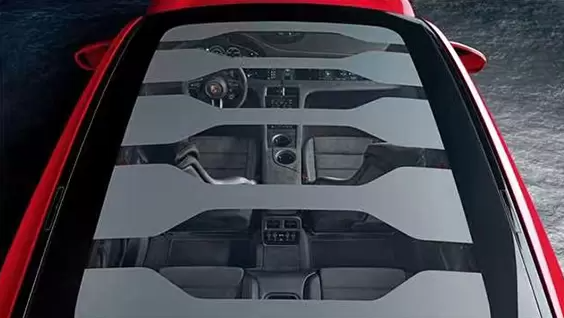
How Does Automotive Smart Film Work?
Most automotive smart films use Polymer Dispersed Liquid Crystal (PDLC) technology. The film contains liquid crystal molecules distributed within a polymer layer.
When electricity is applied, the liquid crystals align, allowing light to pass through and making the glass appear transparent. When the power is switched off, the molecules become randomly oriented and scatter light, creating a frosted appearance.
This technology allows drivers and passengers to control privacy without traditional curtains or mechanical sunshades. Switching between the two states typically takes only milliseconds, depending on the product and operating conditions.
Three Real Benefits of Automotive Smart Film
1. On-Demand Privacy Control
One of the biggest advantages of automotive smart film is its ability to provide privacy whenever needed. It is particularly useful for luxury vehicles, executive cars, recreational vehicles, and special-purpose vehicles.
For example, passengers can enjoy a transparent window during normal driving and activate the frosted mode when the vehicle is parked or when additional privacy is required.
White automotive smart film creates a bright, frosted appearance, while black automotive smart film offers a darker visual effect for applications requiring stronger privacy.
2. Effective Glare Reduction
Strong sunlight can make passengers uncomfortable and cause reflections on vehicle displays. PDLC smart film helps diffuse direct sunlight, reducing harsh glare while allowing diffused daylight into the cabin.
This makes it especially suitable for panoramic sunroofs and large glass areas. However, glare reduction should not be confused with complete solar heat rejection. Additional infrared-blocking coatings or solar-control glass may be needed for better thermal performance.
3. Adaptability to Automotive Environments
Automotive glass experiences significant temperature changes, vibration, and continuous sunlight exposure. Therefore, automotive-grade smart film must be designed for demanding operating conditions.
When selecting a product, buyers should pay attention to operating temperature, switching stability, UV resistance, adhesion, and service life. These specifications help determine whether the film is suitable for long-term automotive applications.
What Automotive Smart Film Cannot Do
Despite its advantages, automotive smart film is not a universal replacement for traditional window tint or advanced glazing systems.
First, its frosted state does not necessarily provide complete blackout. PDLC technology scatters light rather than completely blocking it, meaning silhouettes may still be visible under certain lighting conditions.
Second, standard PDLC film does not automatically provide strong heat insulation. Its main function is privacy switching and light diffusion. Buyers looking for significant infrared rejection should request independent spectral performance data.
Third, conventional PDLC smart film generally offers two operating states: transparent and frosted. It does not provide the continuous dimming capability available with certain electrochromic or SPD technologies.
Understanding these limitations helps buyers choose the right solution for their vehicles.
Where Is Automotive Smart Film Most Useful?
Automotive smart film has several practical applications:
-
Panoramic Sunroofs: Provides flexible shading and reduces direct sunlight.
-
Rear Side Windows: Offers adjustable privacy for passengers.
-
Luxury Vehicles: Creates a modern interior with electronic privacy control.
-
Recreational Vehicles: Separates living and driving areas while maintaining a contemporary appearance.
-
Special-Purpose Vehicles: Supports privacy requirements in ambulances, mobile clinics, and executive transport vehicles.
Its versatility makes it an interesting option for both automotive manufacturers and vehicle modification companies.
How to Choose the Right Automotive Smart Film?
Before purchasing automotive smart film, consider several important factors.
Optical Performance: Check visible light transmittance (VLT), haze, and switching performance in both operating states.
Temperature Resistance: Choose automotive-grade products with suitable temperature specifications for the target vehicle environment.
Electrical Compatibility: PDLC film requires an appropriate AC power supply and controller. Make sure the system is compatible with the vehicle's electrical architecture.
Safety and Regulations: Check local automotive glazing regulations, especially for windshields and front side windows. Light transmission requirements vary depending on the market and window position.
Manufacturer Experience: Work with a professional supplier that can provide technical specifications, product samples, customization, and quality documentation.
For buyers looking for a white PDLC solution, White Automotive Smart Film is worth exploring. It offers a switchable privacy solution for automotive glass applications where a clean, frosted appearance is preferred.
Final Verdict: Does Automotive Smart Film Really Work?
Yes, automotive smart film really works when it is used for the purposes it was designed for. It provides convenient on-demand privacy, diffuses direct sunlight, and offers a modern alternative to fixed window tint and traditional sunshades.
However, it should not be expected to function as a complete blackout system, a continuously adjustable dimmer, or a standalone infrared heat-rejection solution.
The key to successful installation is choosing automotive-grade PDLC technology, checking the technical specifications, and ensuring proper electrical integration.
Whether you are an automotive manufacturer, vehicle modification specialist, or distributor, working with an experienced smart film manufacturer can help you identify the right product for your application. With proper product selection and engineering, automotive smart film can bring greater flexibility, comfort, and innovation to modern vehicle design.
Comments (0)