Market Opportunity
Rising demand for non-systemic, topical relief solutions among pill-weary adults
Dual-Action Technology
Surface warming combined with deep tissue penetration for comprehensive comfort
Broad Target Segments
Athletes, older adults, desk workers, and wellness-focused consumers
Safety & Convenience
Localized, external-use formula — no pills, no systemic effects, no interactions
Market Context
The Problem: Joint & Muscle Discomfort Affects Millions
Arthritis, chronic stiffness, and muscle soreness represent one of the most pervasive daily health burdens facing adults today — limiting mobility, reducing productivity, and diminishing quality of life at scale. Yet the dominant treatment paradigm relies heavily on oral medications that introduce their own set of risks.
The Oral Medication Burden
Traditional oral pain relievers — NSAIDs, acetaminophen, prescription opioids — carry meaningful systemic risks including gastrointestinal complications, cardiovascular strain, drug-drug interactions, and long-term organ stress. For adults managing chronic discomfort, daily reliance on systemic medications is not a sustainable or desirable path.
Why Topical Solutions Fall Short
Most conventional topical creams and gels deliver only surface-level relief — a cooling or warming sensation that fades quickly without meaningfully addressing underlying muscle or joint discomfort. This creates a significant unmet need: consumers want something that works locally and deeply, without systemic exposure.
Adults increasingly seek alternatives that target discomfort locally — without adding more medications to their daily routine.
Millions Affected
Arthritis and musculoskeletal conditions affect a vast and growing share of the adult population
Systemic Side Effects
Oral options carry drug interactions, long-term organ impact, and contraindications
Shallow Relief
Traditional topicals lack the penetration to deliver meaningful, lasting comfort
Unmet Demand
Consumers are actively seeking localized, non-systemic alternatives
Market Opportunity
The Shift to Topical Solutions
A fundamental consumer behavior shift is underway. Pill-weary adults are actively exploring topical options for everyday joint and muscle comfort — driven by growing awareness of systemic medication risks and a broader wellness movement toward targeted, localized care.
The Market Gap
A meaningful gap has emerged between what consumers want — targeted, non-systemic relief — and what the traditional oral pain management category can offer. Heat-based topical creams have surged in popularity precisely because they deliver comfort through a mechanism that feels intuitive, immediate, and free of systemic burden. This gap represents a significant commercial opportunity for differentiated topical formulations.
Wellness Trend Alignment
Heat therapy has deep roots in rehabilitation and sports medicine. As these practices move from clinical settings into everyday consumer wellness routines, demand for effective Heat-delivery formats — particularly creams that can be self-applied at home — is accelerating. Arthryon sits at the intersection of this trend and the need for a clinically credible, convenient product.
Target Demographics
Athletes & Active Adults
Post-workout muscle recovery, sports-related soreness, and pre-activity joint preparation
Older Adults with Arthritis
Age-related joint stiffness, chronic arthritis discomfort, and daily mobility challenges
Desk Workers
Neck tension, back pain, and repetitive strain from prolonged sedentary work postures
Wellness-Focused Consumers
Anyone actively seeking alternatives to oral pain medications and systemic treatment protocols
Product Technology
Arthryon's Dual-Action Technology
What separates Arthryon from conventional topical creams is its dual-layer mechanism — delivering both immediate surface-level warmth and meaningful deep tissue penetration. This two-stage action addresses the core limitation of traditional formulations and establishes a more comprehensive relief profile.
Layer 1 — Surface Relief
Upon application, Arthryon is formulated to generate a gentle but noticeable thermal sensation — helping the treated area feel warm, relaxed, and more flexible almost immediately. This surface response is critical for onset speed and user confidence in the product's efficacy.
Layer 2 — Deep Penetration
Beyond the surface, Arthryon's active ingredient profile is engineered to work into muscle and joint tissue — delivering comprehensive relief at the source of discomfort rather than masking it at the skin level. This penetrating action is what elevates the product beyond a simple warming rub.
The localized nature of this mechanism is equally important: Arthryon works only where applied. There is no systemic absorption pathway, no circulation of active compounds through the body, and no downstream effects on organs or other systems. This is the core clinical distinction between topical therapy and oral pain management.
Clinical Benefits
Clinical Benefits & User Experience
Arthryon's benefit profile spans both objective functional outcomes and subjective user experience — two dimensions that together determine whether a topical product earns sustained, daily use. Understanding both layers is essential for evaluating its real-world value proposition.
Immediate Comfort Onset
The warming sensation begins upon application, providing fast-acting relief that users can feel within moments of use. This immediacy is a critical driver of user satisfaction and compliance — particularly for consumers who have been disappointed by slow-acting or ineffective topical alternatives.
Improved Mobility During Daily Activities
Arthryon is formulated to help promote temporary comfort and improve mobility during daily activities — a clinically meaningful outcome for users whose joint or muscle discomfort limits their functional range. Improved mobility translates directly to quality of life gains.
Lightweight Texture for Regular Use
The lightweight texture makes it convenient for regular use and easy to apply — reducing the friction that causes users to skip applications or abandon topical regimens. A cream that integrates seamlessly into a daily routine is one that delivers sustained therapeutic benefit.
Complementary to Wellness Habits
Arthryon integrates naturally with stretching, light exercise, physical therapy, and other mobility-focused wellness practices. Rather than replacing a health routine, it amplifies its effects — making it a natural fit for health-conscious, active adults managing chronic discomfort.
Segmentation
Ideal Use Cases & Target Segments
Arthryon's versatility across multiple pain and discomfort profiles enables it to serve a broad addressable market. Each segment has distinct needs, use patterns, and decision criteria — understanding these nuances is critical for effective positioning and communication strategy.
Chronic Conditions — Older Adults
Arthritis and age-related joint stiffness represent the highest-frequency use case. For this segment, daily management of discomfort is a necessity, not a preference. Arthryon's localized action and avoidance of systemic medications make it particularly appealing for older adults already managing polypharmacy concerns or drug interaction risks.
Athletic Recovery — Active Adults
Post-workout muscle soreness and sports-related soft tissue injuries demand fast-acting, targeted relief . Athletes and fitness-oriented consumers value both efficacy and convenience — a cream that can be applied immediately after training, without waiting for oral medications to take effect, fits naturally into high-performance recovery protocols.
Occupational Discomfort — Desk & Labor Workers
Back pain and neck tension from prolonged desk work or physical labor represent a massive and growing segment. These users experience discomfort as an ongoing occupational hazard — they need a product that can be applied discreetly during the workday and reapplied as needed without systemic medication load.
Wellness-Focused Consumers — Medication-Averse
A growing cohort of health-conscious adults actively avoids oral pain medications as a matter of principle — prioritizing natural, localized, or minimal-intervention approaches. For this segment, Arthryon's topical mechanism and clean application profile are themselves key selling points, independent of specific clinical claims.
Competitive Positioning
Competitive Advantages
Arthryon's competitive moat rests on four interlocking advantages that collectively differentiate it from both oral pain management and conventional topical alternatives. Each dimension addresses a specific consumer objection or market gap.
Topical vs. Oral: The Core Distinction
No pills. No systemic side effects. No drug interactions or contraindications. For a meaningful and growing consumer segment, this alone is a decisive differentiator. Oral NSAIDs and analgesics carry well-documented risks — gastrointestinal bleeding, cardiovascular strain, liver and kidney stress — that make long-term daily use medically inadvisable for many adults. Arthryon eliminates this risk profile entirely through its external-use mechanism.
Dual-Action Formula: Beyond Surface Relief
The combination of surface warming and deep tissue penetration addresses the primary limitation of conventional topicals, which deliver only superficial sensation. This two-stage mechanism provides a more comprehensive and credible relief profile — one that consumers can feel working at multiple levels, increasing confidence, satisfaction, and repeat-use behavior.
User Convenience
Simple application, no special equipment, no prescription required — integrates directly into existing daily self-care and wellness routines
Safety Profile
External use only, localized action, minimal risk of adverse systemic effects — ideal for long-term daily management
Wellness Alignment
Fits naturally with stretching, exercise, and non-pharmacological wellness practices embraced by health-conscious consumers
Broad Applicability
Serves multiple segments — chronic, acute, occupational, and athletic — within a single versatile product format
Usage Protocol
Application & Dosage Guidelines
Arthryon's application protocol is designed for simplicity, flexibility, and seamless integration into daily life. Consistent use according to these guidelines is the foundation of optimal therapeutic outcomes.
Application Method
Apply a thin, even layer of Arthryon directly to the affected area — whether a joint, muscle group, or area of acute tension. Massage gently until the cream is fully absorbed into the skin. The lightweight texture facilitates quick absorption without residue, making application practical in any setting.
Recommended Frequency
Use 3–4 times daily as needed for ongoing comfort and symptom management. This cadence supports sustained warmth and relief throughout the day — particularly important for users managing chronic conditions where discomfort is continuous rather than episodic.
Timing Flexibility
Arthryon can be used before activity (to prepare joints and muscles), after exercise (for recovery), or during moments of acute discomfort — giving users complete control over their relief protocol. This flexibility is a meaningful advantage over oral medications, which require planning around dosing windows and food intake.
Integration with Wellness Practices
For optimal results, Arthryon works alongside stretching, light exercise, physical therapy, and other mobility-focused wellness habits. It is designed to complement — not replace — an active approach to musculoskeletal health, amplifying the benefits of movement and recovery-focused self-care.
Consistent application at the recommended frequency, combined with complementary wellness practices, delivers the most comprehensive comfort outcomes.
Strategic Summary
Why Arthryon Stands Out
Arthryon Heat relief Cream addresses the growing market demand for topical, non-systemic pain relief solutions — delivering comprehensive comfort exactly where needed, without pills, side effects, or systemic impact.
For adults seeking targeted relief and improved mobility, Arthryon represents a practical, effective alternative to traditional oral pain management — one that aligns with the direction the entire wellness category is moving.
A Real Market Need
Tens of millions of adults manage joint and muscle discomfort daily. The limitations of oral pain management — systemic side effects, drug interactions, long-term organ risk — are creating sustained, durable demand for topical alternatives that work locally and deeply.
A Differentiated Mechanism
Arthryon's dual-action formula — surface warming combined with deep tissue penetration — goes beyond what conventional topicals deliver. Users feel the difference immediately, and that sensory confidence drives repeat use and long-term brand loyalty.
A Versatile Product for a Broad Market
From older adults managing chronic arthritis to athletes in post-workout recovery to desk workers battling occupational tension — Arthryon serves a wide addressable market with a single, flexible product format that integrates naturally into any wellness routine.
Daily Applications
Recommended dosage frequency for sustained comfort throughout the day
Action Layers
Surface warming + deep tissue penetration — dual-stage mechanism for comprehensive relief
Core Segments
Athletes, older adults, desk workers, and wellness-focused consumers
Systemic Effects
No pills, no drug interactions, no systemic side effects — localized action only
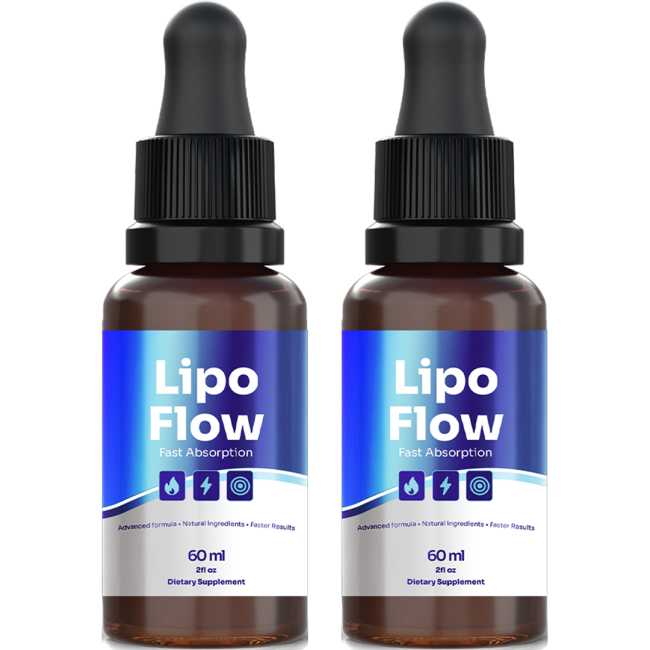
Lipo Flow – Where Cutting-Edge Technology Meets Personalized Care
Lipo Flow: A Liquid Dietary Supplement for Healthy Metabolism, Energy Production, and Weight Management
Living a healthy lifestyle requires more than simply counting calories or following the latest diet trend. Sustainable wellness comes from maintaining balanced nutrition, staying physically active, getting adequate sleep, managing stress, and making consistent healthy choices every day.
VISIT OFFICIAL WEBSITE
https://store4... moreLipo Flow – Where Cutting-Edge Technology Meets Personalized Care
Lipo Flow: A Liquid Dietary Supplement for Healthy Metabolism, Energy Production, and Weight Management
Living a healthy lifestyle requires more than simply counting calories or following the latest diet trend. Sustainable wellness comes from maintaining balanced nutrition, staying physically active, getting adequate sleep, managing stress, and making consistent healthy choices every day.
VISIT OFFICIAL WEBSITE
For many people, dietary supplements can serve as an additional part of this routine when used responsibly.
Lipo Flow is a liquid dietary supplement formulated to complement a healthy lifestyle by supporting normal metabolism, natural energy production, and healthy weight management. Its liquid format is designed for convenient daily use and may appeal to individuals who prefer an alternative to capsules or tablets.
It is important to understand that no dietary supplement alone can produce dramatic weight loss or replace healthy habits. Instead, products like Lipo Flow are intended to work alongside nutritious eating patterns, regular exercise, and positive lifestyle choices.
This guide explores how metabolism influences overall wellness, the importance of daily energy, practical weight management strategies, and how Lipo Flow may fit into a balanced health routine.
Lipo Flow is a liquid dietary supplement designed to support healthy metabolism, energy production, and weight management as part of an overall wellness plan. The liquid format offers an easy-to-use option for adults seeking a convenient addition to their daily routine.
Unlike products that promise unrealistic results, Lipo Flow is intended to complement—not replace—a healthy diet and active lifestyle. Long-term wellness is built on consistent habits rather than quick fixes.
Metabolism refers to the body's natural processes that convert food into energy needed for everyday activities. These processes occur continuously and support essential functions such as breathing, movement, digestion, and normal cellular activity.
Many factors influence metabolism, including:
• Age
• Genetics
• Physical activity
• Muscle mass
• Sleep quality
• Nutrition
• Overall health
While metabolism naturally varies from person to person, healthy lifestyle habits play an important role in supporting normal metabolic function.
The Importance of Daily Energy
Energy is essential for completing daily tasks, whether working, exercising, studying, or spending time with family. Maintaining normal energy levels depends on several factors:
Balanced Nutrition
Eating a variety of nutrient-rich foods provides the vitamins, minerals, carbohydrates, proteins, and healthy fats the body needs to produce energy.
Regular Physical Activity
Exercise supports overall fitness and contributes to maintaining an active lifestyle.
Quality Sleep
Adults generally benefit from consistent, restorative sleep to support daily functioning and overall wellness.
Hydration
Drinking enough water supports many normal body functions, including those involved in energy production.
Healthy Weight Management
(Official Website Only!) Hurry Up - Limited Time Offer - Buy Now
Healthy weight management is about developing sustainable habits rather than pursuing rapid changes. Long-term success often comes from making small, consistent improvements.
Helpful habits include:
• Eating balanced meals
• Choosing whole foods
• Staying physically active
• Managing stress
• Drinking enough water
• Maintaining consistent sleep routines
Supplements like Lipo Flow are intended to complement these healthy behaviors rather than replace them.
Many individuals appreciate liquid supplements for their convenience.
Potential advantages include:
• Easy to incorporate into daily routines
• Alternative to swallowing capsules
• Flexible serving options according to product directions
• Portable for busy lifestyles
Always follow the serving instructions provided on the product label.
Incorporating Lipo Flow Into Your Wellness Routine
A balanced routine may include:
Morning
• Drink a glass of water after waking.
• Eat a nutritious breakfast containing protein and fiber.
• Use Lipo Flow according to the product instructions.
• Begin the day with light physical activity if possible.
Afternoon
• Choose balanced meals rich in vegetables and lean protein.
• Stay hydrated throughout the day.
• Take short movement breaks if working at a desk.
Evening
• Enjoy a balanced dinner.
• Limit late-night snacking when appropriate.
• Prioritize relaxation and sufficient sleep.
Consistency is often more important than perfection when building healthy habits.
Nutrition Tips for Everyday Wellness
Purchase Now: Click Here To View Pricing and Availability Now
Eat Plenty of Vegetables
Vegetables provide fiber, vitamins, and minerals that support overall health.
Include Lean Protein
Protein can help support muscle maintenance as part of a balanced diet.
Examples include:
• Chicken
• Fish
• Eggs
• Beans
• Lentils
• Tofu
Choose Whole Grains
Whole grains contain fiber and nutrients that complement a healthy eating plan.
Include Healthy Fats
Healthy fats from foods such as avocados, nuts, seeds, and olive oil contribute to balanced nutrition.
Limit Highly Processed Foods
Choosing minimally processed foods more often may support long-term wellness goals.
Long-term wellness is built through repeated healthy choices.
Helpful strategies include:
Set Realistic Goals
Small, achievable goals are often easier to maintain.
Track Progress
Keeping a journal or wellness app can help monitor healthy habits.
Stay Hydrated
Water supports normal body functions throughout the day.
Manage Stress
Consider activities such as:
• Meditation
• Reading
• Deep breathing
• Spending time outdoors
• Connecting with friends and family
Frequently Asked Questions
What is Lipo Flow?
Lipo Flow is a liquid dietary supplement intended to support healthy metabolism, energy production, and weight management as part of a balanced lifestyle.
Does Lipo Flow replace diet and exercise?
No. Healthy eating, regular physical activity, and other positive lifestyle habits remain essential for overall wellness.
Who may consider using Lipo Flow?
Adults looking to complement their wellness routine may consider Lipo Flow. Individuals with medical conditions, those who are pregnant or nursing, or those taking medications should consult a healthcare professional before using any dietary supplement.
How should Lipo Flow be used?
Always follow the directions provided on the product label. Do not exceed the recommended serving unless advised by a healthcare professional.
Safety Information
Before using any dietary supplement:
• Read the label carefully.
• Follow the recommended serving size.
• Store in a cool, dry place.
• Keep out of reach of children.
• Consult a healthcare professional if you have questions about whether the supplement is appropriate for you.
Final Thoughts
Official Website: – Click Here Shop Now Special Offer
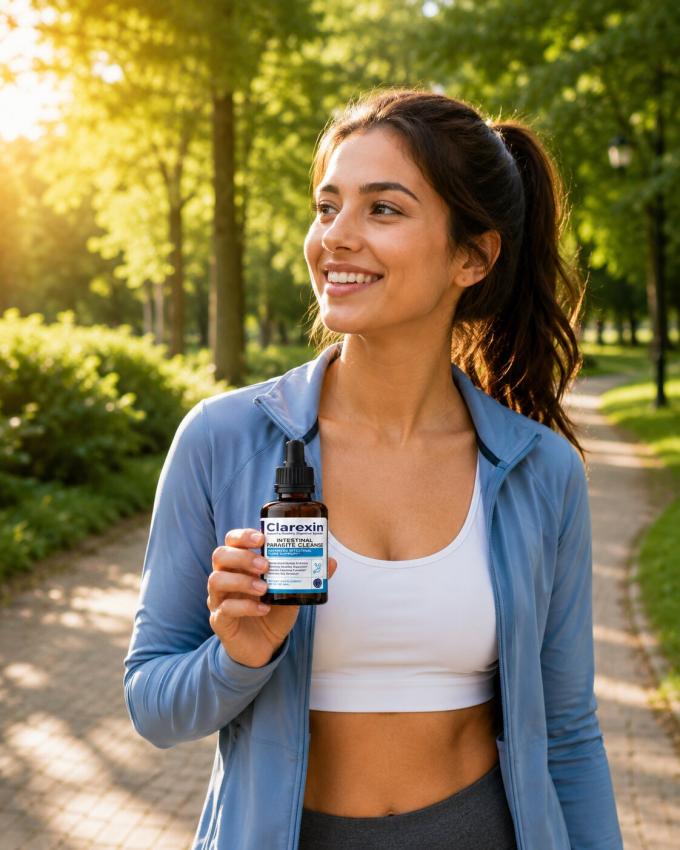
In the rapidly expanding world of wellness supplements, few product categories generate as much controversy as intestinal parasite cleanses. Marketed under the brand name Clarexin, th... moreClarexin Intestinal Parasite Cleanse Intestinal Wellness & Gut Health Liquid Supplement – Natural Plant Extract Blend for Adults
Clarexin Intestinal Parasite Cleanse: A Deep Dive Into the Parasite Cleanse Debate
In the rapidly expanding world of wellness supplements, few product categories generate as much controversy as intestinal parasite cleanses. Marketed under the brand name Clarexin, this liquid botanical formula has attracted significant attention and equally significant scrutiny from consumers, health advocates, and medical professionals alike.
This document presents a comprehensive, evidence-based examination of Clarexin: its claims, its ingredients, its marketing practices, and the broader implications for consumer health and safety.
Whether you are a curious consumer, a healthcare professional, or simply someone interested in the intersection of natural medicine and modern science, this analysis offers a balanced and thorough look at what the evidence actually tells us. From the promise of botanical renewal to the hard realities of regulatory oversight, every dimension of this product is explored with clarity and rigour.
Consumer HealthSupplement SafetyEvidence Review
The Promise of Renewal
Clarexin enters the market with a compelling narrative: a liquid botanical formula designed to restore gut health, eliminate intestinal parasites, and flush out accumulated toxins. The marketing language is carefully crafted to resonate with consumers who feel disillusioned by conventional medicine or who are drawn to the perceived purity and safety of plant-based remedies. The product positions itself as a gentle, holistic solution — one that works with the body's natural processes rather than against them.
At the heart of Clarexin's formula are three primary botanical ingredients, each with a long history of use in traditional and folk medicine. Black Walnut (Juglans nigra) is frequently cited for its purported anti-parasitic properties, particularly its hull, which contains juglone — a compound believed by some practitioners to have antimicrobial activity. Wormwood (Artemisia absinthium) has been used for centuries in European herbal traditions, notably as a digestive aid and anti-parasitic agent. Garlic (Allium sativum), one of the most widely studied medicinal plants, contains allicin, a compound with documented antimicrobial and antifungal properties in laboratory settings.
Black Walnut
Traditionally used for its juglone content, believed to have anti-parasitic and antimicrobial properties in folk medicine.
Wormwood
A centuries-old European herbal remedy cited for digestive support and historical use against intestinal parasites.
Garlic
One of the most extensively studied medicinal plants, containing allicin with documented antimicrobial properties.
Together, these ingredients form the cornerstone of Clarexin's identity as a "natural" alternative to pharmaceutical anti-parasitic medications. The liquid format is marketed as offering faster absorption and greater bioavailability compared to capsules or tablets. For many consumers, the combination of familiar botanical names and the promise of a gentle cleanse is deeply appealing — particularly in an era where distrust of pharmaceutical companies and clinical medicine is on the rise. However, the gap between traditional use and modern clinical validation is a critical distinction that consumers must understand before making purchasing decisions.
The Mechanism of Action
Clarexin's promotional materials describe a structured four-step system that the product allegedly activates within the body. This framework — disruption, elimination, repair, and rejuvenation — is presented as a comprehensive approach to gut health that goes beyond simply killing parasites. The narrative suggests that the product not only addresses the immediate problem but also supports the body's longer-term recovery and restoration. Such a multi-phase claim is designed to appeal to consumers seeking a thorough, systemic solution rather than a quick fix.
The diagram above illustrates the four-phase framework promoted by Clarexin's marketing materials, moving from initial parasite disruption through to claimed gut rejuvenation and improved nutrient absorption.
A notable feature of the Clarexin formula is the inclusion of Bioperine, a patented extract derived from black pepper (Piper nigrum). Bioperine is one of the few supplement ingredients with a meaningful body of scientific research behind it, specifically regarding its ability to enhance the bioavailability of other compounds. Studies have suggested that piperine — the active compound in Bioperine — can increase the absorption of certain nutrients and phytochemicals by inhibiting enzymes that would otherwise break them down in the digestive tract. This addition lends a veneer of scientific credibility to the overall formula.
What Is Claimed
Improved nutrient absorption, reduced bloating, enhanced digestive comfort, and a "reset" of gut microbiome balance through the four-step botanical process.
What the Evidence Shows
While Bioperine has some peer-reviewed support for bioavailability enhancement, there is no published clinical evidence that the Clarexin formula as a whole achieves the outcomes it claims. The four-step mechanism remains a marketing construct rather than a scientifically validated protocol.
The concept of "repair and rejuvenation" is particularly ambiguous from a medical standpoint. Gut lining repair, microbiome restoration, and nutrient absorption are complex physiological processes influenced by diet, genetics, medication use, stress, and numerous other factors. Reducing these to a simple supplement protocol oversimplifies human biology in a way that may mislead consumers about what the product can realistically achieve.
A Surge in Digital Popularity
Clarexin's rise to prominence is a textbook example of modern digital marketing in the wellness space. The product has been promoted extensively through influencer-style campaigns, wellness blogs, and social media platforms where personal testimonials carry enormous persuasive weight. Unlike traditional advertising, these campaigns often blur the line between genuine consumer endorsement and paid promotion, making it difficult for audiences to assess the authenticity of the praise they encounter online.
One of the most frequently cited figures in Clarexin's promotional ecosystem is the claim of over 86,000 positive user testimonials available online. This number, repeated across multiple websites and marketing materials, is intended to convey overwhelming social proof — the idea that so many people cannot be wrong. However, the provenance and verifiability of these testimonials remain deeply questionable. Consumer advocacy investigations have raised serious concerns about the authenticity of many such reviews, with patterns suggesting fabrication, incentivisation, or the use of stock photographs alongside generic positive statements.
Claimed Testimonials
Positive user reviews cited across promotional materials and affiliate websites.
Marketing Phases
Disruption, elimination, repair, and rejuvenation — the claimed four-step system.
Key Ingredients
Black Walnut, Wormwood, and Garlic — the core botanical formula.
The positioning of Clarexin as a "gentle, natural alternative" to clinical anti-parasitic treatments is a strategically powerful message. It taps into a genuine and understandable desire among consumers to avoid pharmaceutical medications when possible, particularly for conditions they perceive as manageable through lifestyle or natural remedies. The language of "gentleness" and "naturalness" implies safety, even though many naturally occurring substances can be harmful in certain doses or contexts. This framing effectively lowers the perceived risk barrier for potential buyers, encouraging trial without the caution that a more balanced presentation might inspire.
The digital footprint of Clarexin is also characterised by a network of affiliate websites, each echoing similar language and claims. This pattern is consistent with coordinated marketing campaigns designed to dominate search engine results and create an illusion of widespread independent endorsement. Consumers searching for reviews or information may encounter dozens of seemingly separate websites, all of which are ultimately connected to the same commercial interest — a phenomenon known as "content laundering" in digital marketing circles.
The Hidden Reality: Investigative Findings
Behind the polished marketing and the flood of positive testimonials, a very different picture emerges when Clarexin is examined through an investigative lens. Consumer advocacy groups, independent journalists, and regulatory watchdogs have raised a series of serious allegations that cast significant doubt on the product's legitimacy, its safety, and the honesty of its marketing practices. These findings represent a critical body of evidence that every prospective consumer should consider before making a purchase.
Deceptive Marketing Allegations
Multiple consumer protection organisations have flagged Clarexin for potentially misleading claims. The use of before-and-after imagery, fabricated expert endorsements, and exaggerated efficacy statements are hallmarks of supplement marketing that has previously been subject to regulatory enforcement action in both the UK and the US.
Anonymous, Transient Websites
Clarexin has been sold through a rotating network of websites that frequently change domain names, contact details, and ownership information. This pattern — known as "churn and burn" in e-commerce — is commonly associated with products that operators wish to distance from negative reviews, regulatory scrutiny, or consumer complaints. The absence of a stable, verifiable corporate identity is a significant red flag.
Absence of Clinical Validation
No peer-reviewed clinical trials evaluating Clarexin's efficacy or safety have been published in any recognised medical journal. There is no evidence of third-party testing for purity, potency, or contamination. Furthermore, the product does not appear to have undergone any form of FDA review or approval, which is not uncommon for dietary supplements but remains a meaningful gap given the medical nature of the claims being made.
The combination of anonymous sales channels, fabricated testimonials, and the absence of any clinical or regulatory oversight represents a pattern consistent with predatory supplement marketing. Consumers should exercise extreme caution.
The regulatory landscape for dietary supplements is notably permissive in many jurisdictions, including the United States and the United Kingdom. Unlike pharmaceutical drugs, supplements do not require pre-market approval for safety or efficacy. Manufacturers are responsible for ensuring their products are safe, but the burden of proof for enforcement action typically falls on regulatory agencies — meaning that problematic products can remain on the market for extended periods before any action is taken. This regulatory gap is precisely what allows products like Clarexin to flourish despite serious questions about their legitimacy.
Ingredients: Fact vs. Fiction
One of the most troubling aspects of the Clarexin controversy concerns the product's ingredient list — or rather, the inconsistency of it. Investigative comparisons of different promotional materials, website listings, and product labels have revealed significant discrepancies in what is actually contained in the formula. Some sources list additional herbal extracts not mentioned in the primary marketing materials; others omit ingredients entirely. This lack of transparency is deeply problematic for a product making medical-adjacent claims.
What Is Advertised
• Black Walnut Hull Extract
• Wormwood (Artemisia absinthium)
• Garlic Extract (Allium sativum)
• Bioperine® (Black Pepper Extract)
• Additional "proprietary blend" ingredients
What Is Verified
• No standardised ingredient list across sales channels
• No verified purity or potency data
• No disclosed dosage per ingredient
• No sourcing or manufacturing transparency
• No third-party laboratory certificates
The concept of a "proprietary blend" is particularly concerning in the context of Clarexin. This labelling practice allows manufacturers to list a group of ingredients without disclosing the individual quantities of each. While proprietary blends are legal under current supplement regulations, they prevent consumers and healthcare professionals from assessing whether the dosages of active ingredients are sufficient to produce any physiological effect — or whether they might pose safety risks at the levels actually present.
The reliance on traditional and folk use as the primary justification for ingredient efficacy is another point requiring careful examination. It is true that Black Walnut, Wormwood, and Garlic have historical records of use in various traditional medicine systems. However, historical use does not constitute clinical evidence. Many substances used in folk medicine have subsequently been shown to be ineffective, harmful, or both when subjected to rigorous scientific testing. Wormwood, for instance, contains thujone — a compound that can be neurotoxic in sufficient quantities. Without verified dosage information, consumers cannot assess whether the product presents any safety risk.
The Consumer Experience Gap
Perhaps the most alarming dimension of the Clarexin controversy is the gap between the product's promised experience and the actual reports from consumers who have used it. While marketing materials emphasise gentle cleansing, renewed energy, and improved digestive comfort, a significant number of users have reported adverse effects that range from uncomfortable to concerning. These experiences stand in stark contrast to the curated testimonials featured in promotional campaigns.
Reported Adverse Effects
Users have reported nausea, abdominal cramps, diarrhoea, headaches, and fatigue. In some cases, symptoms have persisted beyond the period of product use, prompting medical consultation.
Consumer Ratings Collapse
Consumer advocacy groups tracking independent reviews have reported aggregate ratings falling below 1.7 out of 5 on verified purchase platforms — a figure dramatically at odds with the 86,000+ positive testimonials cited in marketing.
"Detox" Claims Unsubstantiated
The concept of "detoxification" through supplements is widely regarded as unsupported by current medical science. The human body has highly efficient detoxification systems — primarily the liver and kidneys — that do not require botanical supplementation to function.
The discrepancy between marketed testimonials and verified consumer experiences raises fundamental questions about the integrity of Clarexin's review ecosystem. Investigations have identified patterns consistent with review manipulation, including clusters of five-star reviews posted within narrow time windows, reviews using similar language and phrasing, and testimonials attributed to individuals whose identities cannot be verified. Meanwhile, negative reviews on independent platforms frequently describe experiences that bear little resemblance to the product's promises.
It is also worth noting that some of the adverse effects reported by Clarexin users — particularly gastrointestinal distress — could theoretically be consistent with the action of anti-parasitic compounds. However, without verified ingredient lists, dosages, or clinical monitoring, it is impossible to determine whether these effects represent the product "working" as claimed, an adverse reaction to unlisted ingredients, or simply the consequence of consuming an unregulated botanical mixture of unknown composition. This uncertainty is itself a significant consumer safety concern.
The Clinical Consensus
The medical community's position on products like Clarexin is clear, consistent, and well-documented. Professional medical organisations across the United Kingdom, the United States, and Europe have issued guidance cautioning against the self-diagnosis and self-treatment of parasitic infections. This guidance is not merely bureaucratic caution — it is grounded in a thorough understanding of the risks associated with untreated or improperly treated parasitic infections, as well as the dangers of delaying appropriate medical care in favour of unproven supplements.
Why Professional Diagnosis Matters
Parasitic infections are not a single condition but a diverse category of illnesses caused by organisms ranging from protozoa to helminths (worms). Each type of parasite requires a specific diagnostic approach and a specific treatment protocol. Stool tests, blood tests, and in some cases imaging studies are necessary to identify the causative organism and determine the appropriate course of treatment. Self-diagnosis based on non-specific symptoms such as bloating, fatigue, or digestive discomfort is highly unreliable — these symptoms are common to a wide range of conditions, many of which have nothing to do with parasites.
Furthermore, the treatments for parasitic infections are themselves prescription medications — typically anti-helminthic or anti-protozoal drugs — that have been rigorously tested for safety and efficacy. These medications are dosed according to the specific organism identified, the patient's weight, and their overall health status. Over-the-counter supplements cannot replicate this level of precision and may, in some cases, interfere with proper treatment or delay diagnosis of a serious underlying condition.
Key Medical Guidance
• Parasitic infections require laboratory confirmation
• Self-diagnosis is unreliable and potentially dangerous
• Supplements are not substitutes for clinical evaluation
• Delayed treatment can allow infections to worsen
• Some parasites can cause serious organ damage
• Professional guidance ensures correct medication and dosage
The NHS and other major health bodies explicitly advise that symptoms commonly attributed to "parasites" by supplement marketers — including bloating, fatigue, and digestive irregularity — are far more likely to be caused by common, treatable conditions such as irritable bowel syndrome, food intolerances, or stress-related digestive dysfunction. — Consumer Health Advocacy Report, 2023
The clinical consensus also extends to the broader category of "detox" and "cleanse" supplements. Major medical organisations, including the British Dietetic Association and the Academy of Nutrition and Dietetics, have stated clearly that there is no scientific basis for the claim that such products remove toxins from the body. The liver, kidneys, lungs, and skin constitute a highly effective natural detoxification system that does not require supplementation. In some cases, "detox" products can actually place additional stress on these organs or disrupt the natural balance of the gut microbiome.
Navigating Health Choices
Understanding how to evaluate health products critically is an essential skill in the modern consumer landscape. The supplement industry, valued at hundreds of billions of pounds globally, operates in a regulatory environment that places significant responsibility on consumers to make informed decisions. Unfortunately, the marketing tactics employed by many supplement companies — including those behind products like Clarexin — are specifically designed to bypass rational evaluation and appeal directly to emotion, fear, and hope. Developing the ability to recognise these tactics is the first step towards protecting your health and your finances.
Verify the Source
Before purchasing any health supplement, investigate the company behind it. Look for a verifiable physical address, contact information, and a transparent corporate identity. Be wary of products sold exclusively through affiliate networks or websites that change frequently. A legitimate manufacturer will be proud to tell you who they are and where their products are made.
Recognise Red Flags
Certain marketing language should immediately raise caution. Claims of "guaranteed" results, "instant" detoxification, "miracle" cures, or products that work for "every condition" are hallmarks of fraudulent or misleading supplement marketing. Similarly, products that claim to replace professional medical advice or that discourage consultation with healthcare providers should be avoided entirely.
Demand Evidence
Legitimate health products will have evidence to support their claims. Look for peer-reviewed clinical studies, third-party testing certificates, and transparent ingredient lists with verified dosages. The absence of these does not automatically mean a product is harmful, but it does mean you should approach any efficacy claims with appropriate scepticism.
Consult a Professional
If you are experiencing digestive distress, unexplained fatigue, or any other health concern, the most important step you can take is to consult a qualified healthcare professional. A GP, gastroenterologist, or registered dietitian can provide an accurate diagnosis and evidence-based treatment plan. This is particularly important for symptoms that supplement marketers commonly attribute to parasites, as these are frequently indicative of other treatable conditions.
It is also worth considering the financial dimension of products like Clarexin. These supplements are often priced at a premium, capitalising on consumers' willingness to invest in their health. When combined with the potential for adverse effects, the risk of delayed proper treatment, and the likelihood that the product does not deliver on its promises, the financial cost extends well beyond the purchase price. Consumers who spend significant sums on unproven supplements may also delay seeking professional care due to the belief that they are already addressing the problem — a phenomenon with potentially serious health consequences.
Conclusion: Transparency and Evidence
The story of Clarexin is, in many ways, a microcosm of the broader challenges facing consumers in the modern supplement marketplace. Ambitious claims, botanical ingredients with historical pedigrees, and an avalanche of positive testimonials create a compelling narrative — but beneath that narrative, the evidence tells a very different story. The absence of clinical trials, the inconsistency of ingredient lists, the allegations of deceptive marketing, and the disconnect between advertised promises and verified consumer experiences all point to a product that cannot be recommended on the basis of current evidence.
The Claims
Four-step parasite cleanse, toxin elimination, gut restoration, and rejuvenation through a botanical liquid formula.
The Evidence
No clinical trials, no third-party testing, no regulatory oversight, and significant discrepancies in ingredient transparency.
The Verdict
Professional medical advice and evidence-based treatment should always take precedence over unverified supplement claims.
The broader lesson for consumers is clear: scepticism is not cynicism. Approaching health products with a critical, evidence-based mindset is not an act of distrust — it is an act of self-care. The human body is complex, and genuine health concerns deserve genuine medical attention. When a product promises instant results, guaranteed outcomes, or the ability to replace professional diagnosis and treatment, that promise should be met with careful scrutiny rather than hopeful acceptance.
Key Takeaways
• Clarexin lacks scientific validation for its claims
• Parasitic infections require professional diagnosis
• "Detox" supplements are not supported by medical science
• Transparency and evidence should guide purchasing decisions
• Consult healthcare providers for digestive concerns
A Final Word
Your health is too important to leave to chance — or to marketing. The supplements market will continue to evolve, and new products with bold claims will continue to emerge. The tools for navigating this landscape are straightforward: demand transparency, seek evidence, consult professionals, and maintain a healthy scepticism towards any product that promises more than science can deliver. These principles, applied consistently, will serve you far better than any cleanse, detox, or miracle formula.
This document is intended for informational purposes only and does not constitute medical advice. If you have concerns about your digestive health or suspect a parasitic infection, please consult a qualified healthcare professional for proper diagnosis and treatment.
# clarexinintestinalparasitecleanse #cleanse#detox#health#vegan#weightloss#wellness#healthylifestyle#healthy#juicing#skincare#organic#healing#plantbased#selfcare#juicecleanse#healthyfood#energy#nutrition#fitness#weightlossjourney#love#cleaneating#healthyliving#juice#cleansing#holistichealth#guthealth#natural#beauty#exfoliate
TheraWolf Pain Relief Balm: A Natural Approach to Comfort
➢ Product Name – TheraWolf Pain Relief Balm
➢ Composition — Natural Organic Compound
➢ Side-Effects — NA
➢ Availability — https://store4buyers.com/therawolf-pain-relief-balm-subscription
➢ Rating — ★★★★★
➢Where To Buy — Official Website
For millions of people across the UK and beyond, daily life is punctuated by disco... moreTheraWolf Pain Relief Balm Subscription – Subscribe for Natural Pain Relief, Improved Mobility & Everyday Comfort
TheraWolf Pain Relief Balm: A Natural Approach to Comfort
➢ Product Name – TheraWolf Pain Relief Balm
➢ Composition — Natural Organic Compound
➢ Side-Effects — NA
➢ Availability — https://store4buyers.com/therawolf-pain-relief-balm-subscription
➢ Rating — ★★★★★
➢Where To Buy — Official Website
For millions of people across the UK and beyond, daily life is punctuated by discomfort whether it's the stiffness that greets you each morning, the ache that follows a long day at a desk, or the soreness that lingers after exercise.
Purchase Now: Click Here To View Pricing and Availability Now
Pain, in its many forms, is one of the most common reasons people seek medical advice, yet the solutions traditionally offered often come with their own set of compromises. Oral medications can bring unwanted side effects, dependency concerns, and a systemic approach that doesn't always address the specific area of concern.
TheraWolf Pain Relief Balm represents a different path: one rooted in nature, designed for targeted relief, and built around the belief that your body deserves support that works with it, not against it.
TheraWolf has emerged as a trusted name in the natural wellness space, offering a carefully formulated topical balm that combines time-honoured botanical ingredients with modern understanding of transdermal delivery. The result is a product that speaks to a growing movement — one that prioritises plant-based solutions, transparency in sourcing, and the empowerment of individuals to take an active role in their own comfort and recovery. Whether you are an athlete pushing your limits, a professional managing the physical toll of repetitive work, or simply someone who wants to move through the day with greater ease, TheraWolf offers a practical, accessible, and natural approach to relief.
This document explores the full story behind TheraWolf Pain Relief Balm — from the science of its botanical blend to the practicalities of incorporating it into your daily routine. We will examine why topical relief is gaining ground over traditional oral medications, how the balm's ingredients work together to deliver results, and who stands to benefit most from its use. We will also address the subscription model that makes consistent use both convenient and cost-effective, the safety considerations every user should understand, and how to navigate the market to ensure you are purchasing genuine TheraWolf products through official channels. By the end, you will have a clear, comprehensive understanding of what TheraWolf is, how it works, and why it may be the natural relief solution you have been looking for.
The Growing Shift Toward Topical Relief
Purchase Now: Click Here To View Pricing and Availability Now
For decades, the default response to pain — whether muscular, joint-related, or inflammatory — has been to reach for a pill. Paracetamol, ibuprofen, and stronger prescription medications have dominated the conversation around pain management, and for good reason: they are widely available, fast-acting, and backed by extensive clinical research. However, the limitations of oral pain medications are increasingly difficult to ignore. Regular use of non-steroidal anti-inflammatory drugs (NSAIDs) has been associated with gastrointestinal complications, kidney strain, and cardiovascular risks. For many people, particularly those managing chronic conditions, the long-term reliance on these medications creates a dependency that feels less like a solution and more like a trade-off.
Beyond the health concerns, there is also the issue of precision. When you swallow a tablet, the active compounds enter your digestive system, are processed by the liver, and then distributed throughout your entire body. This systemic approach means that only a fraction of the active ingredient actually reaches the area where you need it most. The rest circulates elsewhere, potentially contributing to side effects without adding to the relief you are seeking. For people managing localised discomfort — a sore shoulder, a tight lower back, an inflamed wrist — this broad-spectrum delivery feels unnecessarily blunt.
It is no surprise, then, that consumer behaviour has been shifting. Across the UK and globally, there is rising demand for plant-based, targeted solutions that offer relief without the baggage of pharmaceutical side effects. People are reading labels more carefully, questioning what they put into their bodies, and seeking products that align with a more holistic approach to wellness. This movement is not limited to food and nutrition — it has extended firmly into the realm of pain relief, where topical balms, creams, and gels are gaining serious traction. The appeal is clear: apply directly to the affected area, allow the ingredients to work locally, and avoid the systemic processing that comes with oral medications.
TheraWolf occupies a compelling position within this evolving landscape. It is not merely another topical product added to an overcrowded shelf — it is a carefully formulated balm that combines scientifically recognised ingredients like MSM and magnesium chloride with botanical extracts such as ginger oil and arnica. This blend positions TheraWolf as a natural powerhouse for daily discomfort, one that appeals to consumers who want efficacy without compromise. The brand's commitment to transparent sourcing, clear labelling, and a subscription model that rewards loyalty further distinguishes it in a market often characterised by vague claims and inconsistent quality.
Oral Medications
Systemic delivery, potential side effects, liver processing, and risk of dependency with long-term use.
Topical Relief
Targeted application, localised absorption, reduced systemic exposure, and plant-based ingredient options.
TheraWolf's Edge
Botanical blend with MSM and magnesium, transparent sourcing, and a subscription model for consistent use.
The data supports this shift. Market research consistently shows that the global topical pain relief segment is among the fastest-growing categories in the wellness industry, with natural and organic formulations leading the charge. Consumers are not simply reacting to the limitations of traditional medications — they are proactively seeking alternatives that fit a broader lifestyle ethos centred on natural ingredients, sustainability, and self-care. TheraWolf is well-positioned to meet this demand, offering a product that is both effective and aligned with the values of a growing, health-conscious audience.
Science and Soul: The Botanical Blend
Purchase Now: Click Here To View Pricing and Availability Now
At the heart of TheraWolf Pain Relief Balm is a carefully considered formula that bridges the gap between traditional herbal wisdom and modern nutritional science. Each ingredient has been selected not only for its individual properties but for the way it complements and enhances the others, creating a synergistic blend that addresses multiple dimensions of discomfort simultaneously. Understanding what goes into the balm — and why — is essential to appreciating both its effectiveness and its philosophy.
One of the star ingredients in the TheraWolf formula is MSM (Methylsulfonylmethane), a naturally occurring compound found in plants, animals, and humans. MSM is widely recognised for its anti-inflammatory properties and its role in supporting joint health and tissue repair. Research suggests that MSM may help reduce muscle damage and soreness following exercise, making it a valuable addition to any recovery-focused formulation. When applied topically, MSM can penetrate the skin and deliver its benefits directly to the underlying tissues, which is precisely where they are needed most.
Working alongside MSM is magnesium chloride, a highly bioavailable form of magnesium that is readily absorbed through the skin. Magnesium is one of the most critical minerals in the human body, involved in over 300 enzymatic reactions including muscle contraction, nerve function, and protein synthesis. Many people are magnesium-deficient without realising it, and this deficiency can manifest as muscle cramps, tension, and heightened sensitivity to pain. By delivering magnesium transdermally, TheraWolf bypasses the digestive system and allows the mineral to be absorbed directly into the muscles and soft tissues where it can exert its relaxing and anti-inflammatory effects.
Key Active Ingredients
Purchase Now: Click Here To View Pricing and Availability Now
• MSM — Anti-inflammatory, supports joint and tissue health
• Magnesium Chloride — Muscle relaxation, nerve support, bioavailable absorption
• Ginger Oil — Warming sensation, circulation enhancement, natural analgesic
• Arnica Extract — Traditionally used for bruising, swelling, and muscle soreness
• Menthol — Cooling relief, pain signal modulation
Carrier and Base Ingredients
The active ingredients are carried in a base of shea butter and jojoba oil, both of which play a crucial role in the balm's texture and absorption profile. Shea butter is rich in fatty acids and vitamins that nourish the skin while providing a smooth, spreadable consistency. Jojoba oil, which closely resembles the skin's natural sebum, ensures rapid absorption without leaving a greasy residue — a common complaint with many competing balms.
Together, these carrier ingredients create a delivery system that feels luxurious on the skin while ensuring that the active compounds are effectively transported to the target area. The result is a balm that absorbs quickly, works deeply, and leaves no unpleasant film behind.
The inclusion of ginger oil adds another dimension to the formula. Ginger has been used for thousands of years in traditional medicine for its warming, anti-inflammatory, and analgesic properties. When applied topically, ginger oil creates a gentle warming sensation that enhances blood flow to the area, helping to deliver the other active ingredients more effectively while providing its own soothing effects. This warming action is particularly valued by users who experience cold, stiff joints or who prefer the sensation of heat as part of their relief experience.
What sets TheraWolf apart from synthetic creams is not just the ingredient list but the philosophy behind it. Botanical extracts work with the body's natural processes rather than overriding them. They tend to be gentler on the skin, less likely to cause irritation, and free from the harsh chemical preservatives and artificial fragrances that characterise many pharmaceutical-grade topical products. For people with sensitive skin or those who prefer to minimise their exposure to synthetic compounds, this distinction is meaningful. TheraWolf's botanical blend represents a commitment to efficacy through nature — a approach that is both scientifically grounded and deeply respectful of the body's own wisdom.
Targeted Action: How It Works
Purchase Now: Click Here To View Pricing and Availability Now
Understanding how TheraWolf Pain Relief Balm works requires a brief exploration of the difference between systemic and localised delivery — a distinction that lies at the heart of why topical relief can be so effective for certain types of discomfort. When you take an oral medication, the active compound must survive the acidic environment of the stomach, be absorbed through the intestinal wall, pass through the liver where a significant portion may be metabolised, and then enter the bloodstream for distribution throughout the entire body. By the time any meaningful concentration reaches the specific muscle, tendon, or joint you are concerned about, much of the original dose has been lost or diluted.
Topical application bypasses this entire process. When TheraWolf Balm is applied to the skin, the active ingredients begin their journey through the outer layers of the epidermis and into the underlying tissues. This process, known as transdermal delivery, allows compounds like MSM, magnesium chloride, and ginger oil to reach the muscles, tendons, and joints directly beneath the application site. The skin, while an effective barrier against many external threats, is permeable to certain molecules — particularly those with the right molecular size and lipid solubility. The formulation of TheraWolf has been designed to optimise this permeability, ensuring that the active ingredients are carried effectively through the skin and into the tissues where they are needed.
The mechanics of transdermal delivery are further enhanced by the massage action involved in application. When you rub the balm into the skin using circular motions, you are not simply spreading the product — you are actively stimulating blood flow to the area, warming the tissues, and helping to drive the active ingredients deeper. This mechanical action works in concert with the chemical properties of the ingredients to create a multi-layered relief experience that is both immediate and sustained.
One of the key mechanisms through which TheraWolf delivers relief is by enhancing microcirculation in the affected area. Microcirculation refers to the flow of blood through the smallest vessels — the capillaries — which are responsible for delivering oxygen and nutrients to tissues and removing waste products. When muscles are tight, inflamed, or damaged, microcirculation in the area can be compromised, leading to a buildup of metabolic waste and a shortage of the oxygen and nutrients needed for repair. The warming action of ginger oil, combined with the anti-inflammatory properties of MSM and arnica, helps to restore healthy microcirculation, creating an environment that supports the body's natural healing processes.
Inflammation, while a natural and necessary part of the healing response, can become problematic when it is chronic or excessive. Persistent inflammation in muscles and joints contributes to pain, stiffness, and reduced mobility. TheraWolf's blend of anti-inflammatory ingredients works to modulate this response — not by suppressing it entirely, but by supporting the body's ability to resolve inflammation in a timely and balanced manner. This is a subtle but important distinction: the goal is not to eliminate the body's natural defence mechanisms but to assist them in functioning optimally. For users who experience recurring inflammation due to overuse, injury, or age-related changes, this supportive approach can make a meaningful difference in both comfort and function over time.
Everyday Applications for Every Body
Purchase Now: Click Here To View Pricing and Availability Now
One of the most compelling aspects of TheraWolf Pain Relief Balm is its versatility. Unlike medications designed for a specific condition or demographic, TheraWolf is formulated to address a broad spectrum of everyday discomfort that affects people across all walks of life. Whether you are a young professional spending hours at a keyboard, a dedicated athlete pushing your body to its limits, or a retiree navigating the natural changes that come with age, there is a place for TheraWolf in your daily routine. The following sections explore three of the most common use cases, though they represent only a fraction of the ways people incorporate this balm into their lives.
Repetitive Strain & Tech Neck
The modern workplace has created a new category of discomfort that previous generations never had to contend with. Hours spent hunched over laptops, staring at screens, and repeating the same small movements with hands and wrists have given rise to conditions like carpal tunnel syndrome, tendonitis, and the now-ubiquitous "tech neck" — a term describing the strain placed on the cervical spine by prolonged forward head posture. These conditions develop gradually, often going unnoticed until the discomfort becomes difficult to ignore. TheraWolf can be applied directly to the wrists, forearms, neck, and shoulders to provide targeted relief from the tension and inflammation that accumulates throughout the working day. Many users find that a brief application during a lunch break or after finishing work helps to reset the muscles and prevent stiffness from becoming chronic.
Athletic Recovery & Post-Workout Soreness
Purchase Now: Click Here To View Pricing and Availability Now
For athletes and fitness enthusiasts, muscle soreness is a familiar companion — particularly after intense training sessions, new exercises, or competitions. Delayed onset muscle soreness (DOMS) typically peaks 24 to 48 hours after exercise and can significantly impact performance and motivation. TheraWolf's combination of MSM, magnesium, and ginger oil makes it an excellent post-workout recovery tool. Applied to the major muscle groups after training, it helps to reduce inflammation, support muscle repair, and ease the tightness that can limit range of motion. The non-greasy formula means it can be applied before stretching or foam rolling without interfering with movement, and the quick absorption ensures it won't stain clothing or equipment. Many athletes incorporate TheraWolf into their recovery routine as a natural alternative to ice baths or pharmaceutical anti-inflammatories.
Age-Related Joint Stiffness
As we age, the cartilage that cushions our joints gradually wears down, and the synovial fluid that lubricates them becomes less abundant. The result is stiffness, reduced mobility, and often pain — particularly in the mornings or after periods of inactivity. For seniors managing osteoarthritis, rheumatoid arthritis, or general age-related joint changes, TheraWolf offers a gentle, non-invasive approach to daily comfort. The warming sensation of ginger oil can be particularly welcome for those who experience cold, achy joints, while the anti-inflammatory properties of MSM and arnica help to reduce swelling and tenderness. Regular application to the knees, hips, hands, and shoulders can help seniors maintain the mobility and independence that are so important for quality of life. Importantly, because TheraWolf is applied topically, it avoids the gastrointestinal and renal risks associated with long-term oral NSAID use — a significant consideration for older adults who may already be managing multiple medications.
Beyond these three primary use cases, TheraWolf has found a place in the routines of gardeners, musicians, parents, manual labourers, and anyone whose daily activities place demands on their body. The common thread is a desire for relief that is effective, natural, and easy to incorporate into everyday life — and TheraWolf delivers on all three counts. Its portability means it can travel in a gym bag, desk drawer, or handbag, ensuring that relief is never far away when you need it most.
Expert Tips for Optimal Results
Purchase Now: Click Here To View Pricing and Availability Now
Like any topical product, the effectiveness of TheraWolf Pain Relief Balm is directly influenced by how it is used. While the formula itself is powerful, applying it correctly can significantly enhance the absorption of active ingredients and maximise the relief you experience. The following guidelines, drawn from both the product's formulation science and user feedback, will help you get the most out of every application. Think of these not as rigid rules but as best practices that can be adapted to your individual needs and routine.
Start with Clean, Dry Skin
Before applying TheraWolf, ensure that the target area is clean and dry. Dirt, sweat, and residual moisture on the skin's surface can create a barrier that impedes absorption. If you are applying the balm after exercise or a shower, take a moment to towel dry the area thoroughly. This simple step ensures that the active ingredients make direct contact with the skin and can begin their journey into the underlying tissues without obstruction. For best results, wait at least five minutes after washing before application to allow the skin's pH to stabilise.
Use Circular Massage Motions
The manner in which you apply the balm matters as much as the product itself. Use your fingertips to apply TheraWolf in gentle, circular motions for approximately 30 to 45 seconds. This massage action serves multiple purposes: it warms the tissues, stimulates blood flow to the area, and physically drives the active ingredients deeper into the skin. The circular motion also helps to distribute the balm evenly, ensuring that the entire affected area receives coverage. Many users report that the massage itself provides an additional layer of relief, as the mechanical action helps to release tension in tight muscles.
Apply Up to Three Times Daily
For maintenance and ongoing comfort, TheraWolf can be applied up to three times per day. Morning applications can help to ease stiffness that accumulates overnight, midday applications can address tension that builds during activity, and evening applications can support the body's natural recovery processes during sleep. For acute discomfort — such as after an injury or intense workout — more frequent application may be beneficial in the short term. However, it is always advisable to start with a smaller amount and increase gradually as you observe how your body responds.
Cover the Area After Application
While not strictly necessary, covering the applied area with clothing or a light bandage after the balm has absorbed can help to retain the warming sensation and prevent the active ingredients from being rubbed off before they have fully penetrated. This is particularly useful for applications before bed or during activities that might cause friction against the skin. Allow the balm to absorb for at least two to three minutes before dressing to ensure optimal contact time with the skin.
Consistency is perhaps the most important factor of all. While many users report feeling relief within minutes of application — thanks to the immediate warming or cooling sensation of ingredients like ginger oil and menthol — the deeper benefits of MSM, magnesium, and arnica build over time with regular use. Think of TheraWolf not as a one-time fix but as a component of an ongoing self-care routine. Users who apply it consistently, day after day, tend to report more significant and sustained improvements in comfort, mobility, and overall well-being than those who use it only sporadically in response to acute pain.
For best results, integrate TheraWolf into your daily routine at consistent times — for example, after your morning stretch, following your workout, and before bed. Consistency compounds the benefits over time.
The Practicality of a Subscription Model
Purchase Now: Click Here To View Pricing and Availability Now
TheraWolf Pain Relief Balm is at its most effective when used consistently. The anti-inflammatory and muscle-supporting properties of its key ingredients — MSM, magnesium chloride, ginger oil, and arnica — work cumulatively, meaning that regular, sustained use produces better outcomes than occasional application. This is where the subscription model becomes not just a convenience but a genuine strategic advantage for users who are serious about managing their discomfort over the long term. By ensuring that you never run out of balm at a critical moment, a subscription removes one of the most common barriers to consistent use: the simple inconvenience of remembering to reorder.
Why Consistent Usage Matters
The human body responds to regular, predictable inputs. When you apply TheraWolf daily, you are maintaining a consistent level of active ingredients in the tissues, which supports ongoing anti-inflammatory action, muscle relaxation, and microcirculation enhancement. Interruptions in this routine — even brief ones — can allow inflammation and tension to rebuild, effectively resetting the progress you have made. A subscription ensures that your supply is replenished automatically, so there is no gap in your routine and no moment where you are left without relief when you need it.
Furthermore, consistent use allows you to build a clearer picture of how the balm is working for you. When application is regular, it is easier to notice patterns — which areas respond best, what time of day provides the most benefit, and how your comfort levels change over weeks and months. This self-awareness is valuable not only for optimising your use of TheraWolf but for understanding your body's needs more broadly.
Subscription Benefits at a Glance
• Automatic delivery on your schedule
• Flexible frequency: monthly to quarterly
• Lower per-unit pricing vs. one-off purchases
• Never run out during critical recovery periods
• Easy to pause, skip, or cancel at any time
• Exclusive subscriber offers and early access
The subscription model offers flexibility that accommodates a wide range of usage patterns and budgets. Users who apply TheraWolf multiple times daily across several areas of the body may prefer a monthly delivery to ensure they always have sufficient stock. Those who use it more sparingly — perhaps focusing on one or two specific areas — may find that a quarterly schedule is more appropriate. The ability to adjust the frequency at any time means that the subscription can evolve alongside your needs, whether those needs change due to seasonal activity levels, recovery from an injury, or shifts in your daily routine.
From a cost perspective, the subscription model offers clear savings. Bulk subscription orders are priced at a lower per-unit cost compared to one-off purchases, which means that over the course of a year, subscribers can save a meaningful amount while also benefiting from the convenience of automatic delivery. For a product that is intended for daily or near-daily use, this cost-efficiency adds up significantly. Additionally, subscribers often receive exclusive offers, early access to new products, and priority customer support — benefits that enhance the overall value of the subscription beyond the product itself.
Daily Applications
Recommended maximum for maintenance and optimal results
Massage Time
Ideal duration for circular massage to enhance absorption
Subscriber Savings
Estimated cost reduction compared to one-off purchases
Consumer Considerations and Safety
Purchase Now: Click Here To View Pricing and Availability Now
TheraWolf Pain Relief Balm is a wellness product designed to support comfort and recovery through natural ingredients. As with any product applied to the skin, there are important considerations that every user should understand before incorporating it into their routine. Transparency is a core value for TheraWolf, and this section aims to provide clear, honest information about safety, sourcing, and the appropriate expectations for what the balm can and cannot do.
Patch Testing for Sensitive Skin
Even natural ingredients can cause reactions in individuals with sensitive skin or specific allergies. Before applying TheraWolf to a large area, it is strongly recommended to perform a patch test on a small area of skin — such as the inside of the wrist or the back of the hand — and wait 24 hours to observe any reaction. Signs of sensitivity may include redness, itching, burning, or a rash. If any of these symptoms occur, discontinue use immediately and wash the area with mild soap and water. Individuals with known allergies to any of the listed ingredients — particularly ginger, arnica, or menthol — should exercise additional caution and may wish to consult a healthcare professional before use.
It is also worth noting that the warming sensation produced by ginger oil and the cooling sensation from menthol are normal and expected. These sensations should be mild to moderate and should not cause discomfort. If the sensation feels intense or painful, you may be using too much product or may have particularly sensitive skin. In such cases, reduce the amount applied and ensure thorough massage to aid absorption.
Transparent Sourcing vs. Pharmaceutical Products
TheraWolf takes pride in its commitment to transparent ingredient sourcing. Every component of the balm is listed clearly on the label, and the brand provides information about where and how its ingredients are sourced. This stands in contrast to many pharmaceutical-grade topical products, where proprietary blends and complex chemical names can obscure what you are actually applying to your skin. With TheraWolf, what you see is what you get — a blend of recognisable, naturally derived ingredients with well-documented properties.
However, it is important to understand the distinction between a wellness product and a pharmaceutical drug. TheraWolf Pain Relief Balm is not an FDA-approved drug, nor is it intended to diagnose, treat, cure, or prevent any disease. It is a topical wellness balm designed to support comfort and recovery through natural means. This distinction matters both legally and practically: it means that the balm has not undergone the rigorous clinical trials required for pharmaceutical approval, and it also means that individual results may vary. Users should approach TheraWolf as a complementary tool within a broader wellness strategy, not as a replacement for medical treatment when such treatment is necessary.
Do Not Use On
Broken, cut, or irritated skin. Open wounds or active infections. Areas with severe swelling or acute injury requiring medical attention.
Consult a Professional If
You are pregnant or breastfeeding. You are currently taking medication for a chronic condition. You experience persistent or worsening pain despite regular use.
Storage Guidelines
Store in a cool, dry place away from direct sunlight. Keep the lid tightly sealed between uses. Keep out of reach of children and pets. Do not use past the expiry date.
Finally, it is worth addressing the broader context of self-care and personal responsibility. TheraWolf is a tool — a well-formulated, natural, and effective tool — but it works best as part of a holistic approach to health and well-being. This includes maintaining good posture, staying hydrated, engaging in regular movement, eating a balanced diet, and seeking professional medical advice when pain is severe, persistent, or unexplained. TheraWolf empowers you to take an active role in your own comfort, but that empowerment is most meaningful when it is exercised alongside informed, responsible health choices.
Navigating the Market and Where to Buy
Purchase Now: Click Here To View Pricing and Availability Now
The natural wellness market has grown enormously in recent years, and with that growth has come a proliferation of products claiming to offer pain relief, recovery support, and natural comfort. While this abundance of choice is in many ways a positive development — reflecting genuine consumer demand and driving innovation — it also creates a challenging landscape for buyers trying to distinguish quality products from marketing noise. TheraWolf operates within this space with a clear commitment to authenticity, transparency, and direct-to-consumer integrity, and understanding how to navigate the market is an important part of ensuring you receive the genuine product.
TheraWolf products are sold exclusively through official brand channels. This includes the official TheraWolf website and authorised retail partners that have been vetted and approved by the brand. The decision to maintain exclusivity over distribution is a deliberate one: it allows TheraWolf to control the quality of the customer experience, ensure that products are stored and handled correctly throughout the supply chain, and provide accurate, up-to-date information about the products and their use. When you purchase through official channels, you can be confident that you are receiving a genuine, properly stored, and correctly labelled product.
PainBalm
TheraWolf's flagship topical balm formulated for muscular and joint discomfort. Contains MSM, magnesium chloride, ginger oil, arnica, and menthol. Designed for broad application across muscles, joints, and soft tissues. Ideal for everyday stiffness, post-workout recovery, and age-related joint support.
NeuroBalm
A specialised formulation targeting nerve-related discomfort and sensitivity. Designed for users experiencing tingling, burning, or shooting pain associated with nerve irritation. Contains a distinct blend of ingredients selected for their supportive properties for nerve health. Not interchangeable with PainBalm — choose based on your specific needs.
One of the most common points of confusion in the TheraWolf product line is the difference between PainBalm and NeuroBalm. While both are topical relief products from the same brand, they are formulated for different types of discomfort and should not be used interchangeably without understanding the distinction. PainBalm, as described throughout this document, is designed for muscular, joint, and soft tissue discomfort — the kind of ache and stiffness that comes from overuse, injury, or age-related changes. NeuroBalm, on the other hand, is formulated with a focus on nerve-related sensations such as tingling, burning, or the shooting pain that can accompany nerve irritation. The ingredient profiles differ accordingly, and users should select the product that aligns with their specific type of discomfort. If you are unsure which product is appropriate for your needs, the official TheraWolf website provides detailed product information and guidance, and customer support is available to help with personalised recommendations.
Avoiding marketing noise is another important consideration. The wellness market is saturated with products that make bold claims, use vague language, or rely on pseudo-scientific terminology to create an impression of efficacy. TheraWolf's approach is refreshingly different: the official website provides clear, specific information about ingredients, their functions, and the evidence base behind them. There are no exaggerated claims, no miracle cures, and no misleading comparisons. When evaluating any pain relief product, a good rule of thumb is to look for transparency — if a brand is reluctant to tell you exactly what is in their product and why, that is a red flag. TheraWolf has nothing to hide, and the official website reflects that openness.
Always verify that you are on the official TheraWolf website before making a purchase. Check the URL carefully and look for security indicators such as the padlock symbol in your browser's address bar.
Conclusion: Reclaiming Your Active Life
Purchase Now: Click Here To View Pricing and Availability Now
The journey from chronic stiffness to daily mobility is rarely a single step — it is a process built from small, consistent choices that accumulate over time. It begins with a decision to take discomfort seriously, to seek solutions that align with your values, and to invest in your own well-being with the same care you would give to any other important area of your life. TheraWolf Pain Relief Balm is designed to be a companion on that journey — not a magic bullet, but a reliable, natural, and effective tool that works with your body to support comfort, recovery, and movement.
Throughout this document, we have explored the many dimensions of what makes TheraWolf distinctive: its botanical blend of MSM, magnesium chloride, ginger oil, and arnica; its transdermal delivery system that targets relief precisely where it is needed; its versatility across a wide range of users and use cases; and its commitment to transparency, safety, and quality. We have examined the practicalities of consistent use, the benefits of the subscription model, and the importance of purchasing through official channels to ensure authenticity. Each of these elements contributes to a product that is more than the sum of its parts — a holistic approach to natural pain relief that respects both the science and the soul of wellness.
Understand Your Needs
Identify the type of discomfort you are experiencing — muscular, joint, or nerve-related — and select the appropriate TheraWolf product. PainBalm for muscles and joints; NeuroBalm for nerve sensitivity.
Apply Consistently
Incorporate TheraWolf into your daily routine with proper technique: clean skin, circular massage for 30–45 seconds, up to three times daily. Consistency is the key to cumulative, long-term results.
Subscribe and Save
Consider a subscription to ensure you never run out, benefit from lower per-unit pricing, and enjoy the convenience of automatic delivery on a schedule that works for you.
Live Actively
Use TheraWolf as part of a broader wellness strategy that includes movement, good posture, hydration, and professional medical advice when needed. Reclaim the active life you deserve.
The growing shift toward natural, topical relief is not a passing trend — it is a reflection of a deeper change in how people think about their health and well-being. Consumers are increasingly aware that the body is not a machine to be fixed with a single pill but a complex, living system that responds best to gentle, consistent, and holistic support. TheraWolf embodies this philosophy. It does not promise to eliminate pain entirely or to replace medical treatment when such treatment is necessary. What it promises is something more nuanced and, in many ways, more valuable: a natural, accessible, and effective means of supporting your body's own capacity for comfort and recovery, day after day.
"The goal is not to live without discomfort, but to live well despite it — and to have the tools to tip the balance in your favour, every single day."
If you are ready to take that step — to move from reactive pain management to proactive comfort support — TheraWolf Pain Relief Balm is waiting. Visit the official TheraWolf website to explore the product range, learn more about the ingredients, and start your subscription today. Your active life is not something to be put on hold. It is something to be reclaimed, one application at a time. #therewolfpainreliefbalmsubscription#painrelief#backpain#wellness#health#pain#neckpain#physicaltherapy#massage#cbd#chronicpain#painmanagement#massagetherapy#fitness#healthylifestyle#selfcare#physiotherapy#chiropractor#chiropractic#stressrelief#healing#recovery#kneepain#jointpain#backpainrelief#arthritis#relaxation#painfree#holistichealth#lowbackpain#shoulderpain
Neuro Cinnamon Premium Energy Gum That Fits Your Lifestyle and Keeps You Ready for More
Neuro Cinnamon: The Science of a Culinary Powerhouse
Neuro Cinnamon For thousands of years, cinnamon has been prized as one of humanity's most treasured spices revered in ancient Egypt, celebrated in traditional Chinese medicine, and cherished across the spice routes of the ancient world.
Today, modern neuroscience is revealing that this humble bark harbours an e... moreNeuro Cinnamon Premium Energy Gum That Fits Your Lifestyle and Keeps You Ready for More
Neuro Cinnamon: The Science of a Culinary Powerhouse
Neuro Cinnamon For thousands of years, cinnamon has been prized as one of humanity's most treasured spices revered in ancient Egypt, celebrated in traditional Chinese medicine, and cherished across the spice routes of the ancient world.
Neuro Cinnamon explores the cutting-edge science behind one of nature's most potent nootropics, examining how a common kitchen spice may hold the key to preserving memory, sharpening focus, and defending the brain against neurodegenerative disease.
NeuroscienceNootropicsNeuroprotection
From Ancient Spice to Modern Nootropic
Cinnamon's story stretches back over four millennia, with its use documented in ancient Egyptian embalming rituals, traditional Chinese herbal medicine, and Ayurvedic practice across the Indian subcontinent. Ancient physicians did not merely prize cinnamon for its warmth and aroma — they recognised its medicinal potency, prescribing it for ailments ranging from digestive complaints to respiratory conditions. The spice was so valued in antiquity that it was considered a gift fit for royalty and deities, traded along routes that connected the East with the Mediterranean world.
Fast-forward to the twenty-first century, and science is now vindicating many of these historical intuitions. Cinnamon has emerged as a potent natural nootropic — a substance that safely enhances cognitive function, including memory, attention, and learning capacity. Unlike synthetic cognitive enhancers, which often carry significant side-effect profiles, cinnamon offers a multi-targeted approach to brain health rooted in a rich phytochemical composition that has evolved over millions of years.
The transition from ancient remedy to evidence-based cognitive enhancer has been driven by a convergence of disciplines: ethnopharmacology, computational chemistry, and clinical neuroscience. Researchers are now systematically interrogating the molecular mechanisms through which cinnamon exerts its effects on the central nervous system. This scientific scrutiny has revealed a compound of remarkable complexity, one that interacts with neurotransmitter systems, gene expression pathways, and inflammatory cascades simultaneously.
What makes cinnamon particularly compelling as a nootropic candidate is its safety profile and widespread dietary availability. Millions of people consume cinnamon daily without adverse effects, making it an attractive candidate for both preventative neuroprotection and therapeutic intervention. The growing body of preclinical and early clinical evidence suggests that regular, moderate consumption may confer measurable cognitive benefits — a finding that bridges the gap between traditional wisdom and modern evidence-based medicine.
The genus Cinnamomum encompasses over 250 species, though two dominate the commercial and research landscape: Cinnamomum verum (true Ceylon cinnamon) and Cinnamomum cassia (Chinese cinnamon). While both share a broadly similar phytochemical profile, subtle differences in their bioactive compound concentrations may influence their respective neuroprotective efficacy — a distinction that is increasingly relevant as research moves toward standardised therapeutic applications.
Ancient Heritage
Used for over 4,000 years across Egyptian, Chinese, and Ayurvedic traditions as a medicinal spice
Modern Nootropic
Now recognised as a potent cognitive enhancer supporting memory, focus, and learning
Scientific Validation
Rigorous preclinical and clinical research is uncovering the molecular mechanisms behind its effects
The Chemical Architecture of Cognition
At the heart of cinnamon's neuroprotective prowess lies an intricate chemical architecture that researchers are only beginning to fully appreciate. The bark of Cinnamomum species contains a rich tapestry of bioactive compounds, each contributing to the spice's overall cognitive-enhancing profile. Foremost among these is cinnamaldehyde, the primary volatile compound responsible for cinnamon's distinctive aroma and flavour, which has demonstrated significant anti-inflammatory and neuroprotective properties in laboratory studies. Cinnamaldehyde acts through multiple pathways, including the modulation of inflammatory cytokines and the activation of cellular defence mechanisms that protect neurons from oxidative damage.
Alongside cinnamaldehyde, cinnamon contains cinnamic acid and eugenol — phenolic compounds with well-documented antioxidant and anti-inflammatory activities. These molecules work synergistically, meaning their combined effect is greater than the sum of their individual contributions. This synergy is a hallmark of plant-derived medicines and helps explain why whole cinnamon extracts often outperform isolated compounds in experimental models. Eugenol, in particular, has been shown to inhibit neuroinflammatory pathways and reduce the production of reactive oxygen species that contribute to neuronal damage over time.
Perhaps most intriguing are the type A procyanidin polymers found in cinnamon — large molecular structures that have demonstrated the remarkable ability to cross the blood-brain barrier. Once within the central nervous system, these polymers exert direct neuroprotective effects, scavenging free radicals and modulating signalling pathways involved in neuronal survival. The presence of these polymers distinguishes cinnamon from many other dietary spices and positions it as a uniquely potent source of brain-active phytochemicals.
Recent data-driven research has sought to look beyond the well-studied cinnamaldehyde to uncover deeper structural neuroprotective roles played by lesser-known compounds within the cinnamon matrix. Computational chemistry and metabolomic profiling are revealing a far more complex picture than previously appreciated, with dozens of secondary metabolites contributing to the overall neuroprotective effect. This shift in research focus — from single-compound analysis to holistic phytochemical profiling — represents a paradigm change in how we understand cinnamon's cognitive benefits.
Primary Bioactives
• Cinnamaldehyde — primary volatile compound with anti-inflammatory properties
• Cinnamic acid — phenolic antioxidant with neuroprotective activity
• Eugenol — anti-inflammatory phenolic compound
Secondary Compounds
• Type A procyanidin polymers — cross the blood-brain barrier
• Proanthocyanidins — potent antioxidants shielding neurons
• Non-volatile phenolic compounds — overlooked neuroprotective agents
Mechanism 1: Synaptic Plasticity and CREB Activation
One of the most compelling mechanisms through which cinnamon enhances cognitive function is its ability to activate the cAMP response element-binding protein (CREB), a transcription factor of central importance in memory formation and synaptic plasticity. CREB acts as a molecular switch within neurons, regulating the expression of genes that are essential for the consolidation of long-term memories. When CREB is activated, it triggers a cascade of downstream gene expression events that strengthen the synaptic connections between neurons — the physical substrate of learning and memory.
The activation of CREB by cinnamon-derived compounds represents a direct pharmacological pathway through which this spice may enhance cognitive performance. Research has demonstrated that cinnamaldehyde and related compounds can stimulate the cAMP signalling pathway, which in turn phosphorylates and activates CREB. This process is particularly relevant in the hippocampus, the brain region most closely associated with the formation of new declarative memories. By enhancing CREB-mediated gene expression in this region, cinnamon may effectively lower the threshold for long-term potentiation — the cellular mechanism underlying memory consolidation.
Beyond memory formation, CREB activation also plays a critical role in maintaining the structural integrity of neural connections. Synapses — the junctions between neurons — are dynamic structures that are constantly being remodelled in response to experience and learning. CREB-regulated genes encode proteins involved in synaptic growth, dendritic spine formation, and the production of neurotrophic factors such as brain-derived neurotrophic factor (BDNF). These factors support neuronal survival and promote the growth of new synaptic connections, effectively making the brain more adaptable and resilient.
The implications of CREB activation extend beyond healthy cognition into the realm of neurodegenerative disease. In conditions such as Alzheimer's disease, CREB signalling is often impaired, contributing to the synaptic loss and memory deficits that characterise the condition. By restoring or enhancing CREB activity, cinnamon-derived compounds may offer a therapeutic strategy for counteracting this impairment. Preclinical studies have shown that cinnamon extracts can restore CREB phosphorylation in animal models of cognitive decline, providing a mechanistic rationale for the cognitive improvements observed in these models.
This three-step pathway illustrates how cinnamon's bioactive compounds initiate a molecular cascade culminating in enhanced gene expression for memory consolidation and synaptic strengthening — a process central to the spice's nootropic effects.
Mechanism 2: Neurotransmitter Modulation
Cinnamon's cognitive-enhancing effects extend well beyond gene regulation into the realm of neurotransmitter modulation — the fine-tuning of the chemical messengers that govern attention, mood, motivation, and focus. Research has demonstrated that cinnamon administration increases brain levels of three key neurotransmitters: norepinephrine, dopamine, and serotonin. Each of these neurotransmitters plays a distinct but complementary role in cognitive function, and their simultaneous elevation by cinnamon creates a multi-faceted enhancement of mental performance.
Norepinephrine is central to the brain's arousal and attention systems. Elevated norepinephrine levels enhance alertness, sharpen focus, and improve the brain's ability to filter out irrelevant stimuli — a cognitive function known as selective attention. Dopamine, meanwhile, governs motivation, reward-seeking behaviour, and working memory. By increasing dopaminergic tone, cinnamon may enhance the drive to engage with cognitively demanding tasks and improve the capacity to hold and manipulate information in working memory. Serotonin contributes to mood stabilisation and emotional regulation, which indirectly supports cognitive performance by reducing anxiety and improving mental clarity.
In addition to boosting monoamine neurotransmitters, cinnamon has been shown to inhibit acetylcholinesterase — the enzyme responsible for breaking down acetylcholine in the synaptic cleft. Acetylcholine is the primary neurotransmitter of the cholinergic system, which is critically involved in attention, learning, and memory encoding. The inhibition of acetylcholinesterase effectively increases the concentration and duration of action of acetylcholine in the brain, enhancing cholinergic neurotransmission. This mechanism is particularly significant because cholinergic dysfunction is a hallmark of Alzheimer's disease, and many current pharmacological treatments for the condition work through precisely this pathway.
The combination of monoamine elevation and acetylcholinesterase inhibition positions cinnamon as a uniquely multi-targeted cognitive enhancer. Most synthetic nootropics target a single neurotransmitter system, whereas cinnamon's phytochemical complexity allows it to modulate multiple systems simultaneously. This polypharmacological profile may explain why cinnamon produces broad-spectrum cognitive benefits — improving not just one dimension of mental performance, but attention, mood, motivation, and memory concurrently.
Norepinephrine
Elevated levels enhance alertness, sharpen focus, and improve selective attention — the brain's ability to filter out irrelevant stimuli during complex tasks
Dopamine
Increased dopaminergic tone boosts motivation, reward-seeking behaviour, and working memory capacity, driving engagement with cognitively demanding activities
Serotonin
Elevated serotonin supports mood stabilisation and emotional regulation, reducing anxiety and improving the mental clarity required for sustained cognitive performance
Acetylcholine
Acetylcholinesterase inhibition boosts acetylcholine availability, enhancing cholinergic neurotransmission critical for attention, learning, and memory encoding
Mechanism 3: Metabolic and Antioxidant Defence
The brain is an organ of extraordinary metabolic demand, consuming approximately 20% of the body's total glucose supply despite representing only 2% of its mass. This dependence on glucose metabolism makes the brain particularly vulnerable to disruptions in insulin signalling — a vulnerability that has profound implications for cognitive health. Cinnamon has been extensively studied for its ability to improve insulin sensitivity, enhancing the efficiency with which cells respond to insulin and uptake glucose from the bloodstream. In the brain, improved insulin sensitivity supports optimal neuronal glucose metabolism, ensuring that the energy-hungry processes of synaptic transmission and memory consolidation are adequately fuelled.
Beyond its metabolic effects, cinnamon is a formidable antioxidant and anti-inflammatory agent. Neuroinflammation and oxidative stress are now recognised as the primary drivers of cognitive decline and neurodegenerative disease. Chronic low-grade inflammation in the brain — driven by activated microglia and elevated pro-inflammatory cytokines — damages neurons, disrupts synaptic function, and accelerates the pathological processes underlying conditions such as Alzheimer's and Parkinson's disease. Cinnamon's rich array of phenolic compounds, including proanthocyanidins and cinnamic acid derivatives, effectively quenches reactive oxygen species and suppresses inflammatory signalling cascades.
The proanthocyanidins in cinnamon are particularly noteworthy for their ability to cross the blood-brain barrier — a selectively permeable membrane that protects the brain from potentially harmful substances in the bloodstream but also limits the entry of many therapeutic compounds. The fact that these potent antioxidants can penetrate this barrier means they can exert direct neuroprotective effects within the central nervous system, shielding neurons from oxidative damage and modulating inflammatory responses at the cellular level. This property distinguishes cinnamon from many dietary antioxidants that remain confined to peripheral tissues.
The interplay between metabolic and antioxidant defence mechanisms creates a synergistic neuroprotective effect. Improved insulin sensitivity reduces the metabolic stress on neurons, while antioxidant activity protects against the oxidative damage that accompanies high metabolic activity. Together, these mechanisms create an environment in which neurons can function optimally, resist age-related decline, and maintain the structural and functional integrity required for sustained cognitive performance. This dual-action profile makes cinnamon a particularly attractive candidate for long-term neuroprotection.
Brain's Glucose Consumption
The brain consumes 20% of the body's total glucose despite representing only 2% of body mass
Antioxidant Activity
Cinnamon's proanthocyanidins demonstrate high free radical scavenging capacity in laboratory assays
Insulin Sensitivity
Studies suggest cinnamon may improve insulin sensitivity by up to one-third in some metabolic models
Evidence from the Lab: In Vivo and In Vitro Breakthroughs
The scientific case for cinnamon's neuroprotective properties is supported by a substantial and growing body of experimental evidence. A landmark systematic review encompassing 40 studies has confirmed significant cognitive improvement associated with cinnamon administration across a range of preclinical models. This body of research spans in vitro cell culture experiments, in vivo animal studies, and early-phase human clinical trials, providing a multi-layered evidence base that is increasingly difficult to dismiss as coincidental.
In vitro trials have yielded particularly striking results in the context of Alzheimer's disease pathology. Cinnamon extracts have been shown to reduce tau aggregation and Amyloid beta plaque formation — the two hallmark pathological features of Alzheimer's disease. Tau proteins, when hyperphosphorylated, form neurofibrillary tangles that disrupt neuronal transport systems and ultimately lead to cell death. Amyloid beta peptides aggregate into plaques that trigger inflammatory responses and synaptic dysfunction. Cinnamon's ability to attenuate both of these pathological processes simultaneously suggests a multi-targeted mechanism of action that could be therapeutically valuable.
Beyond Alzheimer's disease, cinnamon has demonstrated efficacy in models of Parkinson's disease and multiple sclerosis. In Parkinson's models, cinnamon-derived compounds have been shown to protect dopaminergic neurons from the oxidative and inflammatory insults that drive their degeneration. In multiple sclerosis models, cinnamon has demonstrated the ability to suppress autoimmune-mediated inflammation and protect the myelin sheath that insulates nerve fibres. These findings suggest that cinnamon's neuroprotective effects extend across a spectrum of neurological conditions, not limited to a single disease mechanism.
The translational significance of these findings is considerable. While in vitro and animal model data must always be interpreted with appropriate caution, the consistency and breadth of cinnamon's effects across different disease models and experimental paradigms is noteworthy. The fact that these effects are observed at concentrations achievable through dietary consumption — rather than requiring pharmacologically unrealistic doses — adds to the compound's therapeutic plausibility. Early clinical studies in humans have begun to corroborate these preclinical findings, reporting improvements in cognitive test performance and biomarkers of neurodegeneration.
Systematic Review Studies
Studies confirming significant cognitive improvement with cinnamon administration
Alzheimer's Hallmarks Reduced
Tau aggregation and Amyloid beta — both key pathological indicators of Alzheimer's disease
Neurological Conditions
Alzheimer's, Parkinson's, and Multiple Sclerosis models all showing positive outcomes
Bridging the Gap: Moving Beyond Volatiles
For much of the twentieth century, scientific inquiry into cinnamon's medicinal properties was dominated by a focus on its volatile essential oils — principally cinnamaldehyde, the compound responsible for the spice's characteristic aroma and flavour. This focus was understandable: volatile compounds are readily extractable, analytically tractable, and produce immediate sensory effects that made them natural subjects of investigation. However, this historical emphasis may have inadvertently narrowed our understanding of cinnamon's full neuroprotective potential, overlooking a wealth of non-volatile compounds that contribute significantly to its cognitive-enhancing properties.
New computational models and metabolomic profiling techniques are now revealing that the non-volatile phenolic compounds within cinnamon — including procyanidin polymers, flavonoids, and lignans — may play equally important, if not more significant, roles in neuroprotection. These compounds, which remain in the plant matrix after the volatile oils have evaporated, have demonstrated potent antioxidant, anti-inflammatory, and enzyme-inhibiting activities in laboratory studies. Their larger molecular structures allow them to interact with biological targets in ways that smaller volatile compounds cannot, potentially explaining some of the more complex neuroprotective effects observed in experimental models.
The shift toward a more comprehensive chemical understanding of the genus Cinnamomum represents a significant evolution in phytochemical research. Rather than isolating and studying individual compounds in isolation, researchers are increasingly adopting a holistic, systems-level approach that considers the synergistic interactions between the dozens of bioactive compounds present in whole cinnamon extracts. This approach is more aligned with the way traditional medicine has historically used cinnamon — as a whole substance rather than a purified isolate — and may better reflect the actual mechanisms through which dietary cinnamon exerts its cognitive benefits.
Future research is pivoting toward a more nuanced understanding of how different Cinnamomum species vary in their phytochemical profiles, and how these variations translate into differences in neuroprotective efficacy. The two most commercially significant species — C. cassia and C. verum — differ not only in their cinnamaldehyde content but also in their profiles of procyanidins, eugenol, and other secondary metabolites. Understanding these differences is essential for developing standardised, evidence-based therapeutic applications of cinnamon in neurological medicine.
The transition from volatile-focused research to comprehensive phytochemical profiling represents a paradigm shift in how we understand cinnamon's neuroprotective mechanisms — moving from single-compound analysis to a systems-level understanding of the whole plant matrix.
Clinical Outlook and Current Limitations
While the preclinical evidence for cinnamon's neuroprotective properties is compelling, the translation of these findings into clinical practice presents both opportunities and challenges. The evidence base is strongest in preclinical models, where controlled experimental conditions allow researchers to isolate and characterise specific mechanisms of action. Early clinical studies in humans have shown positive outcomes, including improvements in cognitive test performance, reductions in inflammatory biomarkers, and favourable changes in metabolic parameters associated with brain health. However, the clinical evidence base remains relatively small and heterogeneous, with studies varying widely in their methodologies, dosages, and outcome measures.
One of the primary challenges facing researchers is the standardisation of cinnamon species and preparations. As noted earlier, C. cassia and C. verum differ significantly in their phytochemical profiles, and these differences may translate into clinically meaningful variations in efficacy and safety. C. cassia, the more commonly available and less expensive variety, contains higher levels of coumarin — a compound that can be hepatotoxic at high doses. C. verum, while lower in coumarin, may have a different profile of neuroactive compounds. Researchers are currently working to establish standardised preparations that allow for reproducible dosing and meaningful comparison across clinical trials.
Dosage standardisation presents another significant challenge. The studies included in the systematic review employed a wide range of doses, from dietary-level consumption to concentrated extracts administered at pharmacological doses. Determining the optimal dose for cognitive enhancement — one that maximises neuroprotective benefits while minimising potential adverse effects — requires well-designed dose-ranging studies that have not yet been conducted at scale. Furthermore, the bioavailability of cinnamon's active compounds, particularly the larger procyanidin polymers, remains an area of active investigation.
Despite these limitations, the trajectory of research is encouraging. Ongoing efforts are focused on translating cinnamon's natural neuroprotective benefits into viable, modern neuropharmacological therapies. This may take the form of standardised dietary supplements, functional foods enriched with cinnamon extracts, or even pharmaceutical formulations based on isolated or synthesised cinnamon-derived compounds. The key to this translation lies in rigorous clinical trial design, species standardisation, and a continued commitment to understanding the mechanistic basis of cinnamon's cognitive effects.
Current Strengths
• Strong preclinical evidence across multiple disease models
• Early clinical studies showing positive cognitive outcomes
• Favourable safety profile at dietary consumption levels
• Multi-targeted mechanism of action
Key Challenges
• Species standardisation (C. cassia vs C. verum)
• Dosage optimisation and bioavailability
• Need for large-scale randomised clinical trials
• Coumarin content in C. cassia at high doses
Conclusion: The Future of Neuroprotection
Cinnamon represents one of the most promising frontiers in the management and prevention of neurodegenerative disease. What was once considered a humble kitchen spice is now emerging as a sophisticated multi-targeted neuroprotective agent, capable of modulating neurotransmitter systems, activating memory-related gene expression pathways, reducing neuroinflammation, and attenuating the pathological hallmarks of Alzheimer's and Parkinson's disease. The convergence of traditional knowledge with rigorous modern science has unlocked a depth of understanding that our ancestors could only intuit — and that intuition, it turns out, was remarkably accurate.
The integration of ethnobotanical wisdom with computational chemistry and clinical neuroscience is transforming our understanding of cinnamon from a simple flavouring agent into a precision neuroprotective supplement. This transformation is not merely academic; it has profound implications for public health. Neurodegenerative diseases represent one of the greatest healthcare challenges of our time, with Alzheimer's disease alone affecting over 50 million people worldwide and placing an enormous burden on healthcare systems and families. The identification of safe, accessible, and effective neuroprotective agents is therefore a priority of the highest order.
The path forward involves a deliberate shift from viewing cinnamon as a simple spice to recognising it as a precision-engineered neuroprotective supplement. This requires continued investment in standardisation research, large-scale clinical trials, and the development of evidence-based dosing guidelines. It also requires a willingness to embrace the complexity of plant-derived medicines — to understand that the whole may be greater than the sum of its parts, and that the synergistic interactions between cinnamon's dozens of bioactive compounds may be central to its therapeutic efficacy.
Looking ahead, the future of Neuro Cinnamon lies at the intersection of several exciting scientific developments. Advances in metabolomics and systems biology will enable researchers to map the full spectrum of cinnamon's interactions with the human brain. Personalised nutrition approaches may allow individuals to optimise their cinnamon consumption based on their genetic profile and neurological risk factors. And the development of novel delivery systems — such as nanoencapsulated cinnamon extracts — may enhance the bioavailability of its most potent neuroactive compounds, bringing us closer to the realisation of cinnamon's full therapeutic potential.
By integrating traditional knowledge with rigorous computational chemistry, we are not merely validating ancient wisdom — we are unlocking a new frontier in neuroprotection that could transform the management of cognitive decline for millions of people worldwide.
Computational Chemistry
Mapping the full phytochemical profile of Cinnamomum species for precision neuroprotection
Clinical Translation
Large-scale randomised trials to establish standardised, evidence-based therapeutic protocols
Precision Supplements
From kitchen spice to engineered neuroprotective formulations with optimised bioavailability #neurocinnamon#energy#love#healing#meditation#spirituality#fitness#health#motivation#spiritual#power#selflove#life#wellness#healthylifestyle#nature#art#energyhealing#crystals#positivevibes#yoga#inspiration#spiritualawakening#consciousness#peace#healthy#mindfulness#goodvibes#nutrition#selfcare#universe
Forest Green Farms CBD Gummies are natural dietary supplements formulated to provide the wholesome benefits of non-psychoactive hemp extract in a convenient fruit-flavored chewable. Extracted fro...
Forest Green Farms CBD Gummies are natural dietary supplements formulated to provide the wholesome benefits of non-psychoactive hemp extract in a convenient fruit-flavored chewable. Extracted fro...
Forest Green Farms CBD Gummies are natural dietary supplements formulated to provide the wholesome benefits of non-psychoactive hemp extract in a convenient fruit-flavored chewable. Extracted fro...
Forest Green Farms CBD Gummies are natural dietary supplements formulated to provide the wholesome benefits of non-psychoactive hemp extract in a convenient fruit-flavored chewable. Extracted fro...
Forest Green Farms CBD Gummies are natural dietary supplements formulated to provide the wholesome benefits of non-psychoactive hemp extract in a convenient fruit-flavored chewable. Extracted fro...