









The global textile industry is undergoing a transformative shift toward sustainability and eco-conscious production. As consumers increasingly demand environmentally friendly fabrics, plant-based yarn has emerged as a revolutionary solution. Derived from renewable plant sources such as bamboo, cotton, hemp, and soy, these yarns offer biodegradable, low-carbon alternatives to traditional synthetic fibers.
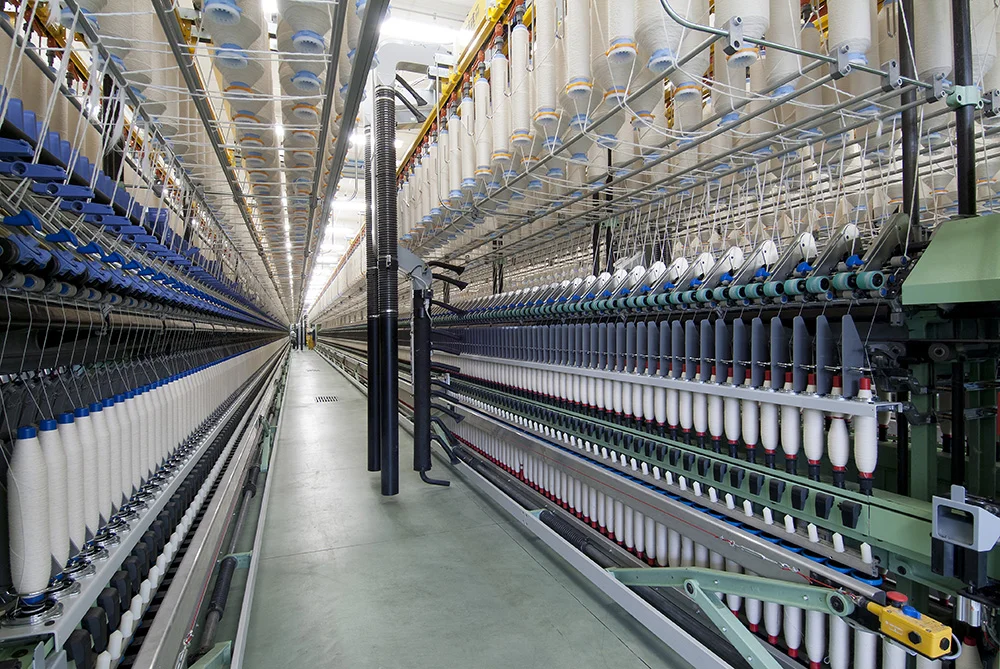
ASIN, a pioneer in sustainable textile innovation, has developed advanced plant-based yarn solutions that combine ecological responsibility with high-performance textile properties. By integrating cutting-edge fiber processing techniques with sustainable sourcing, ASIN ensures yarns that are not only eco-friendly but also versatile, durable, and suitable for a wide range of applications.
Material Composition and Sustainability
Plant-based yarns are primarily composed of natural cellulose fibers, which can be sourced from various plants, including bamboo, organic cotton, hemp, and soy protein. These fibers offer multiple advantages:
-
Renewable and Biodegradable: Unlike petroleum-based synthetic fibers, plant-based yarns naturally decompose, reducing environmental impact.
-
Low Carbon Footprint: Production processes for plant-derived fibers generally consume less energy and water compared to synthetic yarns, aligning with global carbon reduction goals.
-
Chemical-Free Options: Through organic cultivation and non-toxic processing, plant-based yarns minimize exposure to harmful chemicals, supporting both human and environmental health.
ASIN’s commitment to sustainability ensures that each batch of yarn is traceable to its plant source, promoting transparency and responsible supply chain management.
Performance Characteristics
Modern plant-based yarns are no longer limited to traditional textile aesthetics. Through innovative processing technologies, ASIN produces yarns that meet stringent performance standards:
-
Durability and Strength: Advanced spinning techniques enhance tensile strength, making plant-based yarns suitable for garments, upholstery, and industrial textiles.
-
Softness and Comfort: Plant-derived fibers naturally offer breathable, moisture-wicking, and hypoallergenic properties, making them ideal for clothing in contact with skin.
-
Versatility: Plant-based yarns can be blended with other fibers such as recycled polyester or wool to achieve specific textures, elasticity, or color retention.
-
Dye Affinity: Natural cellulose fibers easily absorb eco-friendly dyes, allowing vibrant and long-lasting colors without toxic chemicals.
Through continuous R&D, ASIN ensures that its plant-based yarns combine sustainability with high-quality textile performance, meeting both ecological and functional standards.
Applications in Modern Textiles
Plant-based yarns have a wide range of applications across various sectors:
-
Fashion and Apparel: T-shirts, dresses, activewear, and undergarments benefit from plant-based yarns’ breathability, softness, and eco-conscious appeal.
-
Home Textiles: Bedding, curtains, upholstery, and towels gain durability and natural comfort through sustainable yarns.
-
Industrial and Technical Textiles: Advanced plant-based fibers are now used in automotive interiors, filtration fabrics, and composite materials.
By offering a sustainable yet high-performing alternative, ASIN’s yarns enable manufacturers to meet consumer demand for eco-friendly textiles without compromising quality or aesthetics.
Innovation and Industry Impact
The development of plant-based yarns represents a significant step toward a circular economy in textiles. ASIN has implemented innovations in fiber extraction, spinning, and finishing processes that reduce water usage, energy consumption, and chemical waste.
Key impacts include:
-
Environmental: Significant reduction in plastic pollution and chemical runoff from conventional synthetic fibers.
-
Economic: Opportunities for local agricultural communities through responsible sourcing of raw materials.
-
Consumer Awareness: Enables brands to market eco-conscious products that resonate with sustainability-minded consumers.
ASIN’s plant-based yarns exemplify how innovation can merge ecological responsibility with textile performance, setting new standards for the global textile industry.
Conclusion
As the textile industry seeks to balance performance with environmental stewardship, plant-based yarn emerges as a critical solution. Through advanced fiber processing, rigorous quality control, and sustainable sourcing, ASIN delivers yarns that are biodegradable, durable, and versatile. These yarns not only reduce environmental impact but also empower brands to create high-quality, eco-conscious products.
Investing in plant-based yarn represents a commitment to sustainability, consumer safety, and innovation, making it a strategic choice for modern textile manufacturers.
http://www.asinyarn.com/from-nature-to-fabric-asin-s-advanced-plant-based-yarn-technology.html
Comments (0)