








For factories that package powders, granules, and other bulk materials, filling a bag is only one part of the production process. Once a heavy bag has been filled, it must be moved to the next stage, such as weighing checks, inspection, palletizing, storage, or shipment. If this transfer process is slow or poorly organized, it can affect the efficiency of the entire packaging line.
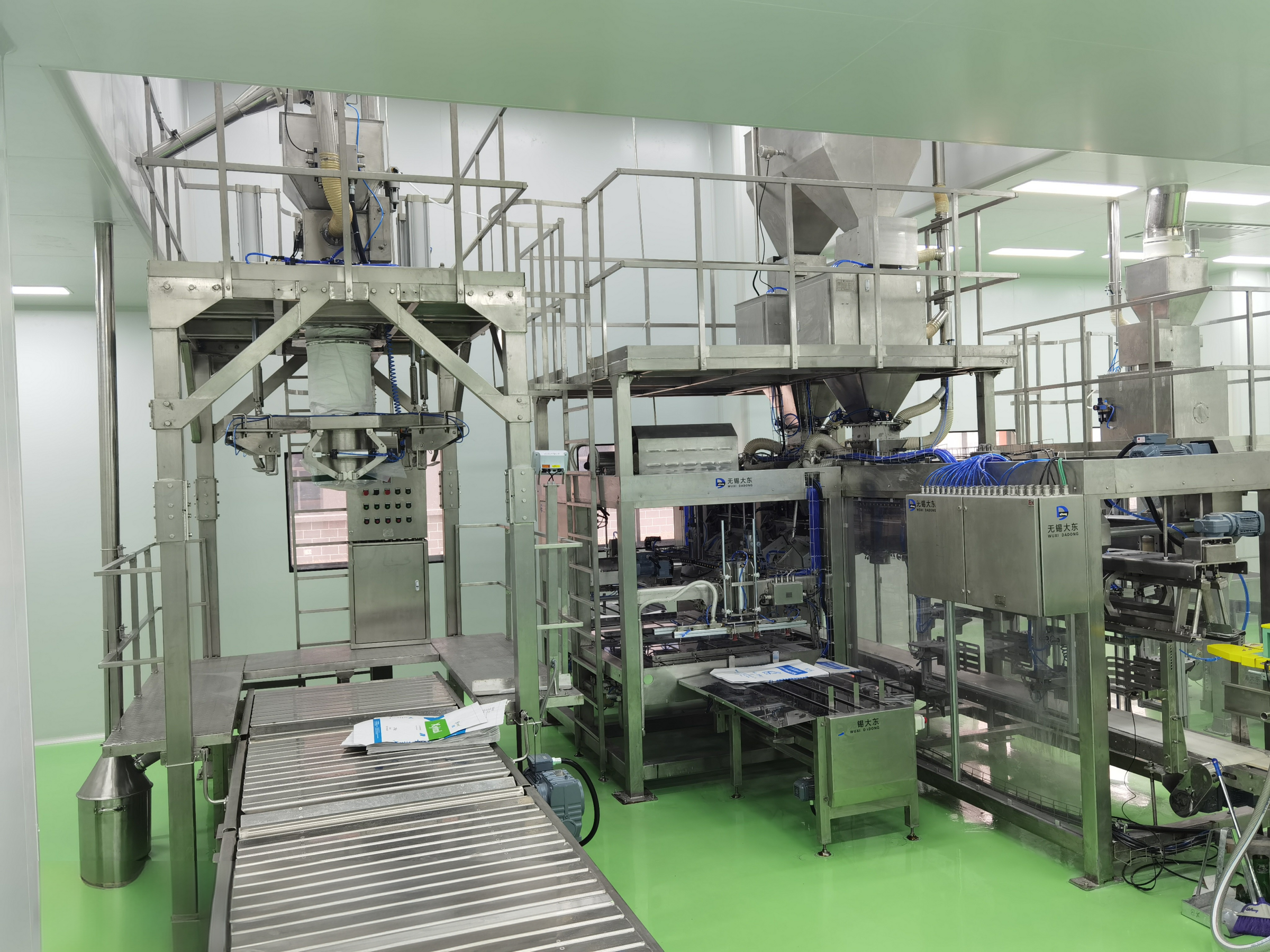
A 1000KG Packaging Conveyor System helps connect bulk packaging equipment with downstream handling operations. For manufacturers working with flour, starch, animal feed, chemicals, and mineral products, a suitable conveyor can reduce unnecessary manual handling and keep filled bags moving through the production area.
Dadong Machinery provides packaging and conveying equipment for different industrial applications. Choosing the right system starts with understanding the load requirements, production speed, and layout of the facility.
What Should You Consider When Selecting a 1000KG Packaging Conveyor System?
1. Check the Load Capacity and Bag Dimensions
Heavy bulk bags place different demands on conveying equipment than small packages or cartons. Before selecting a conveyor, manufacturers should confirm the maximum bag weight, dimensions, bottom structure, and required transfer method.
A conveyor designed for a 1000 kg load needs an appropriate supporting structure and a suitable conveying surface. Buyers should also check whether the equipment can handle the bag steadily during starting, stopping, and transfer between different sections.
Dadong Machinery's conveying equipment range includes chain plate conveyors, roller conveyors, and vibrating slat conveyors. Each type serves different handling needs, so the final choice should depend on the bag characteristics, production process, and factory layout. Load capacity must be confirmed for the specific equipment configuration rather than assumed from the conveyor type alone.
2. Match Conveying Capacity to Packaging Output
A packaging machine may fill bags quickly, but the overall production line can still experience delays if the conveyor cannot move filled bags away at the same pace.
When planning a 1000KG bulk bag packaging conveyor system, manufacturers should evaluate the expected number of bags per hour, the distance between workstations, and the capacity of downstream equipment. If palletizing or warehouse handling cannot keep up, bags may accumulate near the packaging machine and interrupt production.
Coordinating the packaging and conveying stages helps create a more balanced workflow. It is also important to consider whether the line needs continuous conveying, temporary bag accumulation, or controlled transfer between workstations.
3. Plan for Safe Operation and Easy Maintenance
Moving heavy bags requires stable support and carefully arranged transfer points. Poorly planned equipment positioning can create obstacles for operators, make inspections more difficult, and increase the risk of handling problems.
Before installation, review the conveyor route, floor space, transfer height, and connections to packaging machines or palletizing systems. Operators should have sufficient access for routine checks, cleaning, and maintenance.
Safety features and operating procedures should be selected according to the equipment design and the conditions at the installation site. Manufacturers should confirm these requirements with the supplier before finalizing the system.
Where Are 1000KG Packaging Conveyor Systems Used?
A 1000KG Packaging Conveyor System for industrial materials can support bulk packaging lines in several sectors. The specific conveyor design depends on the material, packaging method, and working environment.
-
Flour and starch processing: Moves filled powder bags from the packaging station to inspection, storage, or dispatch areas.
-
Animal feed manufacturing: Connects bulk bag packaging with subsequent conveying, palletizing, and warehouse operations.
-
Chemical and mineral processing: Transfers heavy bags containing suitable powdered or granular products, provided the equipment materials and operating conditions meet the application's requirements.
Although these industries share similar material-handling needs, their operating conditions may differ. Dust levels, moisture, material properties, bag dimensions, and production targets should all be considered when choosing conveying equipment.
How to Select Equipment for Your Production Line
Before purchasing a heavy-duty packaging conveyor, buyers should prepare the main operating details. This information helps suppliers assess the application and recommend a suitable configuration.
Key points to confirm include:
-
Maximum load: The weight and dimensions of each filled bag.
-
Production capacity: The required number of bags handled per hour.
-
Conveying route: The conveyor length, direction, transfer height, and connection points.
-
Installation conditions: Available floor space, operating environment, and existing equipment layout.
-
System compatibility: Whether the conveyor can work with the current packaging machine, palletizing equipment, and warehouse process.
-
Maintenance and support: Access to routine servicing, replacement parts, and technical assistance.
Providing these details before requesting a quotation can help reduce configuration mismatches and make equipment integration easier.
Integrating Packaging and Conveying Equipment from Dadong Machinery
Dadong Machinery offers jumbo bag packaging machines and various conveying equipment for industrial material handling. For manufacturers planning a 1000KG Packaging Conveyor System, evaluating the packaging and conveying stages together can help identify suitable equipment combinations and improve the movement of filled bags through the production line.
The final solution should be based on actual operating requirements rather than load capacity alone. Before placing an order, buyers should confirm the rated load, conveying speed, equipment dimensions, transfer arrangements, and compatibility with existing machinery.
Conclusion
An efficient 1000KG Packaging Conveyor System does more than move heavy bags from one location to another. It connects packaging with inspection, palletizing, storage, and shipping, helping manufacturers maintain a smoother production flow.
By assessing load capacity, conveying speed, safety, installation space, and downstream requirements, businesses can select equipment that better fits their operations. For factories upgrading a bulk packaging line, coordinating a suitable conveyor with the packaging machine is an important step toward reducing handling delays and improving overall workflow.
To explore available packaging and conveying equipment, visit Dadong Machinery.
Comments (0)