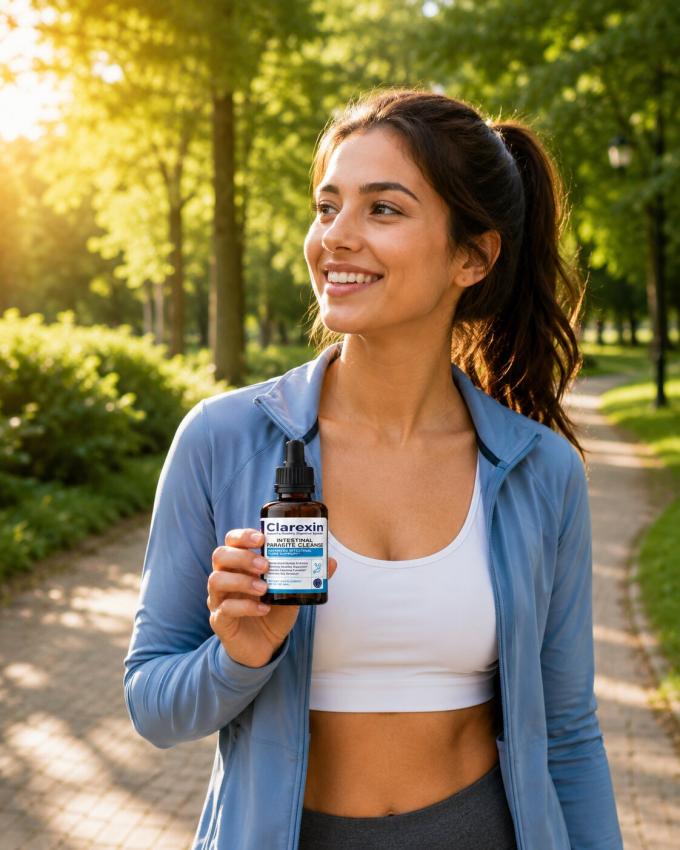
In the rapidly expanding world of wellness supplements, few product categories generate as much controversy as intestinal parasite cleanses. Marketed under the brand name Clarexin, th... moreClarexin Intestinal Parasite Cleanse Intestinal Wellness & Gut Health Liquid Supplement – Natural Plant Extract Blend for Adults
Clarexin Intestinal Parasite Cleanse: A Deep Dive Into the Parasite Cleanse Debate
In the rapidly expanding world of wellness supplements, few product categories generate as much controversy as intestinal parasite cleanses. Marketed under the brand name Clarexin, this liquid botanical formula has attracted significant attention and equally significant scrutiny from consumers, health advocates, and medical professionals alike.
This document presents a comprehensive, evidence-based examination of Clarexin: its claims, its ingredients, its marketing practices, and the broader implications for consumer health and safety.
Whether you are a curious consumer, a healthcare professional, or simply someone interested in the intersection of natural medicine and modern science, this analysis offers a balanced and thorough look at what the evidence actually tells us. From the promise of botanical renewal to the hard realities of regulatory oversight, every dimension of this product is explored with clarity and rigour.
Consumer HealthSupplement SafetyEvidence Review
The Promise of Renewal
Clarexin enters the market with a compelling narrative: a liquid botanical formula designed to restore gut health, eliminate intestinal parasites, and flush out accumulated toxins. The marketing language is carefully crafted to resonate with consumers who feel disillusioned by conventional medicine or who are drawn to the perceived purity and safety of plant-based remedies. The product positions itself as a gentle, holistic solution — one that works with the body's natural processes rather than against them.
At the heart of Clarexin's formula are three primary botanical ingredients, each with a long history of use in traditional and folk medicine. Black Walnut (Juglans nigra) is frequently cited for its purported anti-parasitic properties, particularly its hull, which contains juglone — a compound believed by some practitioners to have antimicrobial activity. Wormwood (Artemisia absinthium) has been used for centuries in European herbal traditions, notably as a digestive aid and anti-parasitic agent. Garlic (Allium sativum), one of the most widely studied medicinal plants, contains allicin, a compound with documented antimicrobial and antifungal properties in laboratory settings.
Black Walnut
Traditionally used for its juglone content, believed to have anti-parasitic and antimicrobial properties in folk medicine.
Wormwood
A centuries-old European herbal remedy cited for digestive support and historical use against intestinal parasites.
Garlic
One of the most extensively studied medicinal plants, containing allicin with documented antimicrobial properties.
Together, these ingredients form the cornerstone of Clarexin's identity as a "natural" alternative to pharmaceutical anti-parasitic medications. The liquid format is marketed as offering faster absorption and greater bioavailability compared to capsules or tablets. For many consumers, the combination of familiar botanical names and the promise of a gentle cleanse is deeply appealing — particularly in an era where distrust of pharmaceutical companies and clinical medicine is on the rise. However, the gap between traditional use and modern clinical validation is a critical distinction that consumers must understand before making purchasing decisions.
The Mechanism of Action
Clarexin's promotional materials describe a structured four-step system that the product allegedly activates within the body. This framework — disruption, elimination, repair, and rejuvenation — is presented as a comprehensive approach to gut health that goes beyond simply killing parasites. The narrative suggests that the product not only addresses the immediate problem but also supports the body's longer-term recovery and restoration. Such a multi-phase claim is designed to appeal to consumers seeking a thorough, systemic solution rather than a quick fix.
The diagram above illustrates the four-phase framework promoted by Clarexin's marketing materials, moving from initial parasite disruption through to claimed gut rejuvenation and improved nutrient absorption.
A notable feature of the Clarexin formula is the inclusion of Bioperine, a patented extract derived from black pepper (Piper nigrum). Bioperine is one of the few supplement ingredients with a meaningful body of scientific research behind it, specifically regarding its ability to enhance the bioavailability of other compounds. Studies have suggested that piperine — the active compound in Bioperine — can increase the absorption of certain nutrients and phytochemicals by inhibiting enzymes that would otherwise break them down in the digestive tract. This addition lends a veneer of scientific credibility to the overall formula.
What Is Claimed
Improved nutrient absorption, reduced bloating, enhanced digestive comfort, and a "reset" of gut microbiome balance through the four-step botanical process.
What the Evidence Shows
While Bioperine has some peer-reviewed support for bioavailability enhancement, there is no published clinical evidence that the Clarexin formula as a whole achieves the outcomes it claims. The four-step mechanism remains a marketing construct rather than a scientifically validated protocol.
The concept of "repair and rejuvenation" is particularly ambiguous from a medical standpoint. Gut lining repair, microbiome restoration, and nutrient absorption are complex physiological processes influenced by diet, genetics, medication use, stress, and numerous other factors. Reducing these to a simple supplement protocol oversimplifies human biology in a way that may mislead consumers about what the product can realistically achieve.
A Surge in Digital Popularity
Clarexin's rise to prominence is a textbook example of modern digital marketing in the wellness space. The product has been promoted extensively through influencer-style campaigns, wellness blogs, and social media platforms where personal testimonials carry enormous persuasive weight. Unlike traditional advertising, these campaigns often blur the line between genuine consumer endorsement and paid promotion, making it difficult for audiences to assess the authenticity of the praise they encounter online.
One of the most frequently cited figures in Clarexin's promotional ecosystem is the claim of over 86,000 positive user testimonials available online. This number, repeated across multiple websites and marketing materials, is intended to convey overwhelming social proof — the idea that so many people cannot be wrong. However, the provenance and verifiability of these testimonials remain deeply questionable. Consumer advocacy investigations have raised serious concerns about the authenticity of many such reviews, with patterns suggesting fabrication, incentivisation, or the use of stock photographs alongside generic positive statements.
Claimed Testimonials
Positive user reviews cited across promotional materials and affiliate websites.
Marketing Phases
Disruption, elimination, repair, and rejuvenation — the claimed four-step system.
Key Ingredients
Black Walnut, Wormwood, and Garlic — the core botanical formula.
The positioning of Clarexin as a "gentle, natural alternative" to clinical anti-parasitic treatments is a strategically powerful message. It taps into a genuine and understandable desire among consumers to avoid pharmaceutical medications when possible, particularly for conditions they perceive as manageable through lifestyle or natural remedies. The language of "gentleness" and "naturalness" implies safety, even though many naturally occurring substances can be harmful in certain doses or contexts. This framing effectively lowers the perceived risk barrier for potential buyers, encouraging trial without the caution that a more balanced presentation might inspire.
The digital footprint of Clarexin is also characterised by a network of affiliate websites, each echoing similar language and claims. This pattern is consistent with coordinated marketing campaigns designed to dominate search engine results and create an illusion of widespread independent endorsement. Consumers searching for reviews or information may encounter dozens of seemingly separate websites, all of which are ultimately connected to the same commercial interest — a phenomenon known as "content laundering" in digital marketing circles.
The Hidden Reality: Investigative Findings
Behind the polished marketing and the flood of positive testimonials, a very different picture emerges when Clarexin is examined through an investigative lens. Consumer advocacy groups, independent journalists, and regulatory watchdogs have raised a series of serious allegations that cast significant doubt on the product's legitimacy, its safety, and the honesty of its marketing practices. These findings represent a critical body of evidence that every prospective consumer should consider before making a purchase.
Deceptive Marketing Allegations
Multiple consumer protection organisations have flagged Clarexin for potentially misleading claims. The use of before-and-after imagery, fabricated expert endorsements, and exaggerated efficacy statements are hallmarks of supplement marketing that has previously been subject to regulatory enforcement action in both the UK and the US.
Anonymous, Transient Websites
Clarexin has been sold through a rotating network of websites that frequently change domain names, contact details, and ownership information. This pattern — known as "churn and burn" in e-commerce — is commonly associated with products that operators wish to distance from negative reviews, regulatory scrutiny, or consumer complaints. The absence of a stable, verifiable corporate identity is a significant red flag.
Absence of Clinical Validation
No peer-reviewed clinical trials evaluating Clarexin's efficacy or safety have been published in any recognised medical journal. There is no evidence of third-party testing for purity, potency, or contamination. Furthermore, the product does not appear to have undergone any form of FDA review or approval, which is not uncommon for dietary supplements but remains a meaningful gap given the medical nature of the claims being made.
The combination of anonymous sales channels, fabricated testimonials, and the absence of any clinical or regulatory oversight represents a pattern consistent with predatory supplement marketing. Consumers should exercise extreme caution.
The regulatory landscape for dietary supplements is notably permissive in many jurisdictions, including the United States and the United Kingdom. Unlike pharmaceutical drugs, supplements do not require pre-market approval for safety or efficacy. Manufacturers are responsible for ensuring their products are safe, but the burden of proof for enforcement action typically falls on regulatory agencies — meaning that problematic products can remain on the market for extended periods before any action is taken. This regulatory gap is precisely what allows products like Clarexin to flourish despite serious questions about their legitimacy.
Ingredients: Fact vs. Fiction
One of the most troubling aspects of the Clarexin controversy concerns the product's ingredient list — or rather, the inconsistency of it. Investigative comparisons of different promotional materials, website listings, and product labels have revealed significant discrepancies in what is actually contained in the formula. Some sources list additional herbal extracts not mentioned in the primary marketing materials; others omit ingredients entirely. This lack of transparency is deeply problematic for a product making medical-adjacent claims.
What Is Advertised
• Black Walnut Hull Extract
• Wormwood (Artemisia absinthium)
• Garlic Extract (Allium sativum)
• Bioperine® (Black Pepper Extract)
• Additional "proprietary blend" ingredients
What Is Verified
• No standardised ingredient list across sales channels
• No verified purity or potency data
• No disclosed dosage per ingredient
• No sourcing or manufacturing transparency
• No third-party laboratory certificates
The concept of a "proprietary blend" is particularly concerning in the context of Clarexin. This labelling practice allows manufacturers to list a group of ingredients without disclosing the individual quantities of each. While proprietary blends are legal under current supplement regulations, they prevent consumers and healthcare professionals from assessing whether the dosages of active ingredients are sufficient to produce any physiological effect — or whether they might pose safety risks at the levels actually present.
The reliance on traditional and folk use as the primary justification for ingredient efficacy is another point requiring careful examination. It is true that Black Walnut, Wormwood, and Garlic have historical records of use in various traditional medicine systems. However, historical use does not constitute clinical evidence. Many substances used in folk medicine have subsequently been shown to be ineffective, harmful, or both when subjected to rigorous scientific testing. Wormwood, for instance, contains thujone — a compound that can be neurotoxic in sufficient quantities. Without verified dosage information, consumers cannot assess whether the product presents any safety risk.
The Consumer Experience Gap
Perhaps the most alarming dimension of the Clarexin controversy is the gap between the product's promised experience and the actual reports from consumers who have used it. While marketing materials emphasise gentle cleansing, renewed energy, and improved digestive comfort, a significant number of users have reported adverse effects that range from uncomfortable to concerning. These experiences stand in stark contrast to the curated testimonials featured in promotional campaigns.
Reported Adverse Effects
Users have reported nausea, abdominal cramps, diarrhoea, headaches, and fatigue. In some cases, symptoms have persisted beyond the period of product use, prompting medical consultation.
Consumer Ratings Collapse
Consumer advocacy groups tracking independent reviews have reported aggregate ratings falling below 1.7 out of 5 on verified purchase platforms — a figure dramatically at odds with the 86,000+ positive testimonials cited in marketing.
"Detox" Claims Unsubstantiated
The concept of "detoxification" through supplements is widely regarded as unsupported by current medical science. The human body has highly efficient detoxification systems — primarily the liver and kidneys — that do not require botanical supplementation to function.
The discrepancy between marketed testimonials and verified consumer experiences raises fundamental questions about the integrity of Clarexin's review ecosystem. Investigations have identified patterns consistent with review manipulation, including clusters of five-star reviews posted within narrow time windows, reviews using similar language and phrasing, and testimonials attributed to individuals whose identities cannot be verified. Meanwhile, negative reviews on independent platforms frequently describe experiences that bear little resemblance to the product's promises.
It is also worth noting that some of the adverse effects reported by Clarexin users — particularly gastrointestinal distress — could theoretically be consistent with the action of anti-parasitic compounds. However, without verified ingredient lists, dosages, or clinical monitoring, it is impossible to determine whether these effects represent the product "working" as claimed, an adverse reaction to unlisted ingredients, or simply the consequence of consuming an unregulated botanical mixture of unknown composition. This uncertainty is itself a significant consumer safety concern.
The Clinical Consensus
The medical community's position on products like Clarexin is clear, consistent, and well-documented. Professional medical organisations across the United Kingdom, the United States, and Europe have issued guidance cautioning against the self-diagnosis and self-treatment of parasitic infections. This guidance is not merely bureaucratic caution — it is grounded in a thorough understanding of the risks associated with untreated or improperly treated parasitic infections, as well as the dangers of delaying appropriate medical care in favour of unproven supplements.
Why Professional Diagnosis Matters
Parasitic infections are not a single condition but a diverse category of illnesses caused by organisms ranging from protozoa to helminths (worms). Each type of parasite requires a specific diagnostic approach and a specific treatment protocol. Stool tests, blood tests, and in some cases imaging studies are necessary to identify the causative organism and determine the appropriate course of treatment. Self-diagnosis based on non-specific symptoms such as bloating, fatigue, or digestive discomfort is highly unreliable — these symptoms are common to a wide range of conditions, many of which have nothing to do with parasites.
Furthermore, the treatments for parasitic infections are themselves prescription medications — typically anti-helminthic or anti-protozoal drugs — that have been rigorously tested for safety and efficacy. These medications are dosed according to the specific organism identified, the patient's weight, and their overall health status. Over-the-counter supplements cannot replicate this level of precision and may, in some cases, interfere with proper treatment or delay diagnosis of a serious underlying condition.
Key Medical Guidance
• Parasitic infections require laboratory confirmation
• Self-diagnosis is unreliable and potentially dangerous
• Supplements are not substitutes for clinical evaluation
• Delayed treatment can allow infections to worsen
• Some parasites can cause serious organ damage
• Professional guidance ensures correct medication and dosage
The NHS and other major health bodies explicitly advise that symptoms commonly attributed to "parasites" by supplement marketers — including bloating, fatigue, and digestive irregularity — are far more likely to be caused by common, treatable conditions such as irritable bowel syndrome, food intolerances, or stress-related digestive dysfunction. — Consumer Health Advocacy Report, 2023
The clinical consensus also extends to the broader category of "detox" and "cleanse" supplements. Major medical organisations, including the British Dietetic Association and the Academy of Nutrition and Dietetics, have stated clearly that there is no scientific basis for the claim that such products remove toxins from the body. The liver, kidneys, lungs, and skin constitute a highly effective natural detoxification system that does not require supplementation. In some cases, "detox" products can actually place additional stress on these organs or disrupt the natural balance of the gut microbiome.
Navigating Health Choices
Understanding how to evaluate health products critically is an essential skill in the modern consumer landscape. The supplement industry, valued at hundreds of billions of pounds globally, operates in a regulatory environment that places significant responsibility on consumers to make informed decisions. Unfortunately, the marketing tactics employed by many supplement companies — including those behind products like Clarexin — are specifically designed to bypass rational evaluation and appeal directly to emotion, fear, and hope. Developing the ability to recognise these tactics is the first step towards protecting your health and your finances.
Verify the Source
Before purchasing any health supplement, investigate the company behind it. Look for a verifiable physical address, contact information, and a transparent corporate identity. Be wary of products sold exclusively through affiliate networks or websites that change frequently. A legitimate manufacturer will be proud to tell you who they are and where their products are made.
Recognise Red Flags
Certain marketing language should immediately raise caution. Claims of "guaranteed" results, "instant" detoxification, "miracle" cures, or products that work for "every condition" are hallmarks of fraudulent or misleading supplement marketing. Similarly, products that claim to replace professional medical advice or that discourage consultation with healthcare providers should be avoided entirely.
Demand Evidence
Legitimate health products will have evidence to support their claims. Look for peer-reviewed clinical studies, third-party testing certificates, and transparent ingredient lists with verified dosages. The absence of these does not automatically mean a product is harmful, but it does mean you should approach any efficacy claims with appropriate scepticism.
Consult a Professional
If you are experiencing digestive distress, unexplained fatigue, or any other health concern, the most important step you can take is to consult a qualified healthcare professional. A GP, gastroenterologist, or registered dietitian can provide an accurate diagnosis and evidence-based treatment plan. This is particularly important for symptoms that supplement marketers commonly attribute to parasites, as these are frequently indicative of other treatable conditions.
It is also worth considering the financial dimension of products like Clarexin. These supplements are often priced at a premium, capitalising on consumers' willingness to invest in their health. When combined with the potential for adverse effects, the risk of delayed proper treatment, and the likelihood that the product does not deliver on its promises, the financial cost extends well beyond the purchase price. Consumers who spend significant sums on unproven supplements may also delay seeking professional care due to the belief that they are already addressing the problem — a phenomenon with potentially serious health consequences.
Conclusion: Transparency and Evidence
The story of Clarexin is, in many ways, a microcosm of the broader challenges facing consumers in the modern supplement marketplace. Ambitious claims, botanical ingredients with historical pedigrees, and an avalanche of positive testimonials create a compelling narrative — but beneath that narrative, the evidence tells a very different story. The absence of clinical trials, the inconsistency of ingredient lists, the allegations of deceptive marketing, and the disconnect between advertised promises and verified consumer experiences all point to a product that cannot be recommended on the basis of current evidence.
The Claims
Four-step parasite cleanse, toxin elimination, gut restoration, and rejuvenation through a botanical liquid formula.
The Evidence
No clinical trials, no third-party testing, no regulatory oversight, and significant discrepancies in ingredient transparency.
The Verdict
Professional medical advice and evidence-based treatment should always take precedence over unverified supplement claims.
The broader lesson for consumers is clear: scepticism is not cynicism. Approaching health products with a critical, evidence-based mindset is not an act of distrust — it is an act of self-care. The human body is complex, and genuine health concerns deserve genuine medical attention. When a product promises instant results, guaranteed outcomes, or the ability to replace professional diagnosis and treatment, that promise should be met with careful scrutiny rather than hopeful acceptance.
Key Takeaways
• Clarexin lacks scientific validation for its claims
• Parasitic infections require professional diagnosis
• "Detox" supplements are not supported by medical science
• Transparency and evidence should guide purchasing decisions
• Consult healthcare providers for digestive concerns
A Final Word
Your health is too important to leave to chance — or to marketing. The supplements market will continue to evolve, and new products with bold claims will continue to emerge. The tools for navigating this landscape are straightforward: demand transparency, seek evidence, consult professionals, and maintain a healthy scepticism towards any product that promises more than science can deliver. These principles, applied consistently, will serve you far better than any cleanse, detox, or miracle formula.
This document is intended for informational purposes only and does not constitute medical advice. If you have concerns about your digestive health or suspect a parasitic infection, please consult a qualified healthcare professional for proper diagnosis and treatment.
# clarexinintestinalparasitecleanse #cleanse#detox#health#vegan#weightloss#wellness#healthylifestyle#healthy#juicing#skincare#organic#healing#plantbased#selfcare#juicecleanse#healthyfood#energy#nutrition#fitness#weightlossjourney#love#cleaneating#healthyliving#juice#cleansing#holistichealth#guthealth#natural#beauty#exfoliate
The liver stands as one of the most remarkable organs in human physiology, quietly performing its essential duties without fanfare. Often des... moreLiver Complex What the Brand States About Specifications
Liver Complex The Liver: Your Body's Master Detoxifier and Regenerator
The liver stands as one of the most remarkable organs in human physiology, quietly performing its essential duties without fanfare. Often described as the body's chemical processing plant, this large, reddish-brown organ weighing approximately 1.4 kilograms undertakes an astonishing array of tasks that sustain life. From filtering toxins to manufacturing essential proteins, from storing energy reserves to producing bile for fat digestion, the liver operates continuously, day and night, ensuring the internal environment remains balanced and functional.
What makes the liver particularly extraordinary is its capacity for self-renewal. Unlike most internal organs , the liver possesses an innate ability to regenerate damaged tissue, making it uniquely resilient amongst visceral organs . This regenerative capability, combined with its multifaceted functions, positions the liver as a central player in maintaining overall health and vitality. Understanding how this organ works, what supports its function, and how to recognise when it needs additional support forms the foundation of proactive wellness.
In today's world, where environmental toxins, processed foods, and lifestyle factors place increasing demands on our bodies, supporting liver function becomes not merely an option but a necessity. The following sections explore the liver 's remarkable capabilities, the science behind its detoxification pathways, and practical strategies to enhance its natural regenerative capacity for optimal long-term health.
The Liver's Unsung Heroism: Over 500
Vital Functions
The liver 's biochemical versatility is nothing short of extraordinary. This single organ performs more than 500 distinct biochemical functions, making it the most multi-functional organ in the human body. Its work begins the moment you consume food, drink, or even breathe, as it filters everything that enters your system through the portal vein from the digestive tract.
Toxin Filtration
Filters toxins, medications, and metabolic waste products from the bloodstream, protecting other organs from damage.
Protein Synthesis
Manufactures essential proteins including albumin for blood pressure regulation and clotting factors for wound healing.
Energy Storage
Stores glucose as glycogen, releasing it when blood sugar drops, and maintains energy reserves for times of fasting.
Bile Production
Produces bile for fat digestion and cholesterol excretion, processing approximately 600-1,000 millilitres daily.
Beyond these primary functions, the liver metabolises fats, proteins, and carbohydrates; stores vitamins and minerals including iron and vitamin B12; regulates blood clotting; and detoxifies harmful substances ranging from alcohol to environmental pollutants. It also modulates hormone levels, breaking down excess hormones when they're no longer needed.
The liver 's resilience often masks problems until significant damage has occurred. Unlike other organs that signal distress through obvious pain, the liver has few pain receptors, meaning dysfunction can progress silently. By the time symptoms appear, substantial intervention may be required. This characteristic makes proactive support and maintenance crucial for long-term liver health and overall wellbeing.
Understanding the Liver's Remarkable Regeneration
VISIT OFFICIAL WEBSITE
The liver 's capacity for regeneration represents one of nature's most impressive biological feats. Unlike the heart, brain, or kidneys, which have limited ability to replace damaged tissue, the liver can regrow to its full size even after losing up to 70-90% of its mass. This extraordinary capability has fascinated scientists for decades and forms the basis for liver transplantation procedures, where a portion of a donor liver can regenerate into a complete organ in the recipient.
This regenerative process relies on several sophisticated mechanisms. Hepatocytes, the primary functional cells of the liver , retain their ability to divide throughout life. When liver tissue is damaged or removed, surviving hepatocytes replicate rapidly, with the liver regaining normal size within weeks. This process is regulated by complex signalling pathways involving growth factors, cytokines, and cellular communication networks that coordinate the regeneration.
The Regeneration Process
The liver 's regenerative cycle begins within hours of tissue loss. Quiescent hepatocytes exit their resting state and enter the cell cycle, beginning to divide. This process requires adequate nutritional support, particularly proteins and specific amino acids, along with co-factors like vitamins and minerals.
Supporting Natural Repair
Daily support through proper nutrition, herbal compounds, and lifestyle choices enhances the liver 's natural regenerative capacity. Consistent, moderate support proves more effective than occasional intensive interventions, aligning with the organ's continuous work patterns.
Autophagy, the cellular process of clearing damaged components, plays a crucial role alongside regeneration. By removing damaged proteins and organelles, autophagy creates space for new, healthy cells and prevents the accumulation of cellular debris that can impair function. Supporting both regeneration and autophagy through appropriate nutritional strategies provides comprehensive liver support.
The practical implication of this knowledge is empowering: supporting your liver daily with the right foods, herbs, and habits makes a meaningful difference in long-term wellness. Rather than waiting for problems to emerge, proactive care enhances the liver 's natural ability to repair itself, maintaining optimal function throughout life.
Understanding liver detoxification requires comprehending its two-phase system, a sophisticated biochemical process that transforms potentially harmful substances into compounds the body can safely eliminate. This system represents millions of years of evolutionary refinement, enabling humans to survive in environments containing various toxins and metabolic byproducts.
Phase I: Activation
Utilises cytochrome P450 enzymes to break down fat-soluble toxins into intermediate compounds. This phase makes toxins more water-soluble but can create reactive intermediates.
Phase II: Conjugation
Attaches these intermediates to molecules like glutathione, sulfur, or glycine, transforming them into water-soluble compounds ready for excretion via bile or urine.
Phase I involves a family of enzymes called cytochrome P450, which add oxygen atoms to toxins, making them more reactive and water-soluble. While this prepares toxins for elimination, it paradoxically creates intermediate compounds that can be more damaging than the original substances if not promptly processed by Phase II. This is why supporting Phase II is critical—without adequate Phase II capacity, Phase I can actually increase oxidative stress and cellular damage.
Phase II conjugation neutralises these reactive intermediates by attaching them to protective molecules. Glutathione, the body's master antioxidant, plays a central role here, binding to toxins and facilitating their removal. Other conjugation pathways involve sulfation, glucuronidation, acetylation, and methylation. Each pathway requires specific nutrients and co-factors, which is why a diverse, nutrient-rich diet supports comprehensive detoxification.
Critical Insight: An overactive Phase I without adequate Phase II support creates a bottleneck where reactive intermediates accumulate, increasing oxidative stress and potentially causing cellular damage. This imbalance underlies many detoxification problems.
Supporting both phases appropriately ensures efficient toxin processing. Certain nutrients, like those found in cruciferous vegetables, actually support both phases simultaneously. Understanding this two-phase system helps explain why comprehensive liver support requires addressing multiple pathways rather than focusing on a single mechanism.
Key Herbs for Hepatic Support and Regeneration
Traditional herbal medicine systems worldwide recognise the liver 's importance, developing sophisticated approaches to support its function. Modern research validates many of these traditional uses, revealing the biochemical mechanisms behind herbal liver support. The following herbs represent some of the most well-researched and clinically valuable options for hepatic health.
Milk Thistle (Silybum marianum)
Contains silymarin, which stabilises hepatocyte membranes, increases glutathione synthesis by up to 35%, and inhibits lipid peroxidation. Extensively studied for liver protection.
Schisandra
A powerful adaptogen studied for its ability to support the body's natural defence against toxins and chemical oxidative damage. Traditionally used in Chinese medicine.
Licorice (Glycyrrhiza glabra)
Traditionally used for its liver -protective properties and to support detoxification pathways. Contains compounds that may support healthy inflammatory responses.
Reishi (Ganoderma lucidum)
Known for its immune-modulating and antioxidant benefits, contributing to overall liver health through multiple mechanisms including oxidative stress reduction.
Turmeric (Curcuma longa)
Contains curcumin, a potent anti-inflammatory and antioxidant compound that aids liver function by supporting healthy inflammatory responses and cellular protection.
Chaga (Inonotus obliquus)
A medicinal mushroom rich in antioxidants that can help protect the liver from oxidative stress. Contains compounds studied for cellular protection.
These herbs work through multiple mechanisms, supporting different aspects of liver function. Milk thistle, for example, protects hepatocyte membranes while enhancing glutathione production. Schisandra supports the body's adaptation to stress while protecting against toxin damage. Turmeric and chaga provide antioxidant protection against oxidative stress, a common consequence of toxin processing.
Combining these herbs creates a comprehensive support strategy addressing various liver needs. However, individual responses vary, and consulting healthcare professionals before starting herbal supplementation remains important, particularly for those with existing health conditions or taking medications.
Foods to Embrace for a Healthy Liver
VISIT OFFICIAL WEBSITE
Nutrition forms the foundation of liver support, providing the raw materials for detoxification pathways, regeneration processes, and cellular protection. Certain foods offer particularly valuable support for hepatic function, containing compounds that enhance Phase I and Phase II detoxification, provide antioxidant protection, or support bile production and flow.
Cruciferous Vegetables
Broccoli, cauliflower, Brussels sprouts, and kale support both Phase I and Phase II detoxification through compounds called glucosinolates, which enhance enzyme activity.
• Rich in sulphur-containing compounds
• Support glutathione production
• Enhance detoxification enzyme activity
Leafy Greens
Spinach, rocket, and Swiss chard are rich in antioxidants and chlorophyll, aiding in toxin neutralisation and supporting healthy bile production.
• High in chlorophyll for toxin binding
• Rich in antioxidants
• Support bile flow
Berries
Blueberries, raspberries, and strawberries are packed with antioxidants that combat oxidative stress, protecting liver cells from damage during detoxification.
• Anthocyanins for cellular protection
• Reduce oxidative stress
• Support healthy inflammation responses
Garlic
Contains allicin and selenium, which help activate liver enzymes for detoxification and support the body's natural antioxidant systems.
• Activates detoxification enzymes
• Selenium for antioxidant protection
• Supports immune function
Nuts and Seeds
Especially walnuts and flaxseeds, provide omega-3 fatty acids and fibre, supporting bile flow and reducing inflammation.
• Omega-3 fatty acids for cell membranes
• Fibre for toxin binding
• Vitamin E for antioxidant protection
Incorporating these foods into daily meals creates a foundation for liver health. Rather than viewing them as medicine to be taken occasionally, integrating them into regular eating patterns provides consistent support aligned with the liver 's continuous function. Variety proves important, as different foods support different aspects of hepatic function, creating comprehensive protection and support.
Foods and Substances to Limit for Liver Health
Protecting liver health requires not only adding supportive foods and herbs but also reducing exposure to substances that burden hepatic function. Certain foods, beverages, and lifestyle factors place significant demands on the liver 's detoxification pathways, contributing to inflammation, oxidative stress, and long-term damage when consumed regularly or in excess.
Alcohol
The liver prioritises metabolising alcohol, which can lead to inflammation, fat buildup, and scarring over time. Even moderate consumption places demands on detoxification pathways.
• Generates oxidative stress during metabolism
• Promotes fat accumulation in liver cells
• Can lead to inflammation and scarring
Processed Foods
High in unhealthy fats, sugars, and artificial additives, these burden the liver 's detoxification pathways and contribute to inflammation and metabolic dysfunction.
• Unhealthy fats increase inflammation
• Added sugars promote fat accumulation
• Artificial additives require processing
Excessive Sugar
Contributes to fat accumulation in the liver , potentially leading to non-alcoholic fatty liver disease. Fructose, in particular, is metabolised primarily by the liver .
• Promotes hepatic fat accumulation
• Increases inflammatory markers
• Contributes to insulin resistance
Cigarettes & Tobacco
Contain toxins that burden liver detoxification pathways and increase oxidative stress throughout the body, compounding the liver 's workload.
• Thousands of toxins require processing
• Increases oxidative stress
• Reduces antioxidant capacity
Reducing or eliminating these substances doesn't mean complete deprivation but rather making informed choices about frequency and quantity. The liver can handle occasional exposures, but regular, high-level exposure creates cumulative damage. Moderation, particularly with alcohol and processed foods, protects hepatic function while allowing for realistic lifestyle choices.
Understanding why these substances burden the liver helps motivate changes. Alcohol metabolism generates reactive oxygen species that damage cells. Processed foods contain ingredients the liver didn't evolve to process efficiently. Excessive sugar, especially fructose, overwhelms the liver 's capacity to convert it to energy, leading to fat storage. Each of these factors combines to increase the liver 's workload while simultaneously reducing its capacity to perform optimally.
Signs of Liver Stress and Dysfunction
Recognising early indicators of liver stress enables timely intervention before significant damage occurs. Because the liver has few pain receptors and considerable functional reserve, problems often progress without obvious symptoms until substantial dysfunction exists. Awareness of subtle warning signs helps identify when additional support or medical evaluation becomes necessary.
Persistent Fatigue
Unrelenting tiredness that doesn't improve with rest, even after adequate sleep. This fatigue stems from reduced energy production, toxin accumulation, and impaired nutrient metabolism.
Digestive Changes
Difficulty digesting fatty foods, persistent bloating, and pale or clay-coloured stools indicating reduced bile production or flow. These changes reflect impaired fat digestion and bile excretion.
Increased Sensitivity
Heightened sensitivity to alcohol or medications, requiring lower doses or experiencing stronger effects. This indicates reduced metabolic capacity and detoxification efficiency.
Skin Changes
Unexplained itching, yellowing of the eyes or skin (jaundice), and spider-like blood vessels on the skin surface. These reflect toxin accumulation and altered bilirubin metabolism.
Urinary Changes
Dark urine, particularly in the morning, indicating concentrated bilirubin excretion. This colour change reflects the liver 's processing of haemoglobin breakdown products.
Abdominal Discomfort
Right-sided abdominal discomfort or pain, unexplained weight changes, and swelling in the abdomen. These symptoms indicate inflammation, fluid accumulation, or organ enlargement.
These signs don't necessarily indicate severe liver disease, as many result from temporary stress or other health issues. However, persistent symptoms warrant medical evaluation to determine underlying causes and appropriate interventions. Early detection of liver dysfunction enables interventions that can reverse or halt progression, preserving hepatic function and overall health.
Individuals with risk factors—such as family history of liver disease, regular alcohol consumption, exposure to environmental toxins, or metabolic conditions like obesity and diabetes—should pay particular attention to these indicators. Regular monitoring through blood tests measuring liver enzymes (ALT, AST, ALP) and bilirubin levels provides objective assessment of hepatic function, complementing symptom awareness for comprehensive liver health management.
The 21-Day Liver Reset Protocol: A Focused Approach
A consistent three-week intervention can influence bile acid composition, reduce inflammatory markers like ALT and AST, and improve glutathione synthesis. This timeline aligns with measurable shifts in hepatic enzyme activity without demanding an unsustainable commitment, making it accessible for most people seeking to enhance liver function.
Week 1: Foundation
Establish regular sleep patterns, eliminate alcohol and processed foods, begin daily consumption of cruciferous vegetables and leafy greens, and start liver -supporting herbal supplements.
Week 2: Intensification
Increase vegetable intake, add liver -supportive herbs to morning routine, maintain alcohol avoidance, incorporate intermittent fasting or reduced meal frequency to support autophagy.
Week 3: Integration
Continue established habits while adding variety in liver -supportive foods, monitor for symptom changes, prepare to transition beneficial practices into permanent lifestyle habits.
This protocol targets specific hepatic pathways, moving beyond generic detox approaches to support the liver 's natural regeneration cycles. Rather than extreme restriction or unproven interventions, it emphasises sustainable changes aligned with how the liver actually functions. The focus remains on providing adequate nutrition while reducing toxin exposure, creating optimal conditions for the liver to perform its work efficiently.
What Changes
Within three weeks, measurable improvements often include reduced inflammatory markers, enhanced bile composition, increased glutathione levels, and improved energy levels. These changes reflect enhanced detoxification capacity and reduced hepatic stress.
What Stays
The most valuable outcome isn't just temporary improvement but establishing habits that continue beyond the 21 days. Viewing the protocol as a transition period to permanent lifestyle changes ensures lasting benefits rather than temporary effects.
Individual responses vary based on baseline liver health, existing lifestyle factors, and adherence to the protocol. Some notice improvements within days, while others experience gradual changes over the full three weeks. The protocol works best when integrated into broader health optimisation strategies, including regular physical activity, stress management, and adequate sleep—all of which support liver function.
Medical supervision remains important, particularly for those with existing liver conditions or taking medications. While this protocol emphasises natural, nutrition-based approaches, professional guidance ensures interventions align with individual health needs and circumstances.
Empowering Your Liver's Health: A Lifelong Commitment
By understanding the liver 's complex functions and providing it with the right nutritional support, you can enhance its detoxification and regeneration capabilities. This knowledge transforms liver health from an abstract concept into a tangible aspect of daily life, where food choices, supplement decisions, and lifestyle habits directly influence hepatic function.
Herbal Support
Incorporating liver -supporting herbs like milk thistle, schisandra, and turmeric provides targeted support for detoxification pathways, cellular protection, and regeneration processes.
Nutrient-Rich Foods
Consuming cruciferous vegetables, leafy greens, berries, and garlic supplies the nutrients and compounds that enhance both Phase I and Phase II detoxification while protecting against oxidative stress.
Toxin Reduction
Limited alcohol, processed foods, and sugar reduces the liver 's workload, allowing it to focus on essential functions rather than constantly processing harmful substances.
Proactive care ensures your liver can continue its essential work, contributing to overall well-being and a higher quality of life. Rather than waiting for problems to emerge, supporting hepatic function daily creates resilience against environmental toxins, lifestyle stressors, and age-related decline. The liver 's regenerative capacity means damage can often be reversed when caught early, but prevention through consistent support proves more effective than correction after dysfunction develops.
Maintaining liver health requires ongoing commitment rather than occasional interventions. Viewing liver support as integrated into broader wellness practices—rather than as separate "detox" periods—creates sustainable habits. Regular consumption of liver -supportive foods, consistent use of beneficial herbs, adequate hydration, and avoidance of excessive alcohol and processed foods become normal aspects of daily life, just as exercise and sleep hygiene support other aspects of health.
The cumulative effect of consistent liver support manifests in increased energy, improved digestion, enhanced detoxification capacity, and long-term preservation of hepatic function. As environmental toxin exposure continues increasing and lifestyle factors place growing demands on the body, proactive liver care becomes increasingly important. Understanding the liver 's role, recognising signs of stress, and implementing supportive strategies empowers individuals to maintain this vital organ's health throughout life, supporting overall vitality and well-being.
Last posted by Jack Mils on September 19 at 08:07 AM
Clarexin Intestinal Parasite Cleanse Drops is a liquid herbal supplement designed to eliminate intestinal parasites and detoxify the digestive system naturally. Unlike capsule cleanses or...
Para911 Parasite Cleanse Drops are a liquid herbal supplement designed to help eliminate parasites from the body while supporting gut health, digestion, and overall vitality. These drops use a...