Colombia’s renewable energy market is moving rapidly from a predominantly hydro-based system toward a more diversified mix of **hydropower, solar, wind, distributed generation, and emerging energy-storage solutions**.
Colombia’s renewable energy market is moving rapidly from a predominantly hydro-based system toward a more diversified mix of **hydropower, solar, wind, distributed generation, and emerging energy-storage solutions**.
By July 2026, Colombia had reached **4.63 GW of installed solar and wind capacity**, while clean sources—including hydro, solar, and wind—represented more than **74% of installed capacity** in the interconnected system.
???? **Key Market Trends**
• Solar PV is emerging as the fastest-expanding renewable technology
• Wind power offers significant long-term potential, particularly in high-resource regions
• Distributed solar and rooftop systems are gaining momentum
• Energy communities are supporting broader access to clean electricity
• Battery storage and grid-flexibility solutions are becoming increasingly important
• Renewable projects are creating demand for EPC, O&M, grid and energy-management services
???? **2033 Growth Outlook**
The project pipeline highlights substantial room for expansion. SEI reported that projects approved by UPME between 2023 and 2033 included approximately **13.5 GW of solar and 2.8 GW of wind capacity**, indicating a potentially significant development pipeline.
Colombia’s distributed-energy segment is also accelerating. By May 2026, the country had registered **24,447 solar rooftops and distributed-generation/autogeneration systems**, with more than 15,000 new systems installed during 2024–2025.
⚡ **Competitive Dynamics**
The competitive landscape is evolving around project development, financing, technology deployment, grid access, community engagement, and the ability to deliver projects efficiently.
Market participants are competing across:
✅ Utility-scale solar and wind
✅ Distributed and rooftop solar
✅ Energy-storage integration
✅ EPC and project development
✅ Power-management and grid technologies
✅ Energy communities and decentralized generation
✅ Long-term renewable power supply solutions
???? **Investment Opportunities**
Colombia’s abundant solar and wind resources create opportunities for international investors, renewable developers, equipment manufacturers, utilities, EPC companies, storage providers, and technology firms.
However, **financing costs, permitting, grid-connection availability, project execution, and community participation** remain important factors influencing project viability.
???? **Strategic Outlook 2025–2033**
Colombia’s renewable energy opportunity extends beyond adding generation capacity. The next phase will increasingly depend on **grid modernization, storage, distributed generation, digital energy management, and stronger integration of renewable resources**.
The combination of a growing project pipeline, supportive clean-energy initiatives, expanding solar deployment, and strong resource potential positions Colombia as an important renewable-energy market in Latin America through 2033.
???? **Explore the Colombia Renewable Energy – 2025–2033 Overview** for detailed insights into market trends, competitor dynamics, investment opportunities, technology developments, growth drivers, challenges, and strategic forecasts.
Denmark’s power market is undergoing a major transformation as renewable generation, electrification, grid modernization, energy storage, and Power-to-X reshape the country’s electricity system.
Denmark’s power market is undergoing a major transformation as renewable generation, electrification, grid modernization, energy storage, and Power-to-X reshape the country’s electricity system.
In 2025, **92.4% of Denmark’s net electricity generation came from renewable sources**, the highest share ever recorded in Denmark and the highest among EU member states.
???? **Key Power Market Trends**
• Wind power remains a central pillar of Denmark’s electricity generation
• Solar PV is expanding rapidly alongside offshore and onshore wind
• Electrification of transport, heating, industry, and other sectors is increasing power demand
• Data centers, Power-to-X projects, and battery storage are creating new electricity-load requirements
• Energy storage and demand response are becoming increasingly important for balancing variable renewable generation
• Cross-border interconnections are strengthening Denmark’s role in the regional Nordic and European power system
???? **Demand Growth & Grid Transformation**
Denmark’s electricity demand is expected to rise substantially as sectors such as transportation, heat pumps, hydrogen production, Power-to-X, and data centers become increasingly electrified. One industry projection indicates electricity consumption could increase from around **40 TWh in 2024 to nearly 200 TWh by 2050**, with Power-to-X representing a major contributor to future demand.
This growth is already putting pressure on the electricity network. In 2025, Energinet registered **8.2 GW of new electricity production and 20.2 GW of new electricity consumption** seeking transmission-grid connections—illustrating how quickly connection demand is expanding.
????️ **Grid Infrastructure: A Strategic Priority**
Grid capacity has become one of Denmark’s most important power-sector challenges. A 2026 government-backed assessment found that approximately **70% of Energinet’s grid projects were delayed**, potentially slowing connections for new wind and solar projects.
In response, Denmark announced an electricity-grid emergency plan designed to make better use of limited network capacity and prioritize critical electrification and renewable-energy projects.
???? **Emerging Opportunities Through 2033**
The evolving power market is creating opportunities across:
✅ Renewable power generation
✅ Offshore and onshore wind
✅ Solar PV
✅ Battery energy storage systems
✅ Smart-grid and digital-grid technologies
✅ Transmission and distribution infrastructure
✅ Demand-response solutions
✅ Power-to-X and green hydrogen
✅ Electrification infrastructure
✅ Grid-management and energy-flexibility platforms
???? **Strategic Outlook to 2033**
Denmark’s power market is shifting from a generation-expansion model toward a **high-renewables, highly electrified, flexible power system**. Future growth will depend not only on adding renewable capacity, but also on building sufficient grid infrastructure, storage, flexible demand, interconnection, and digital energy-management capabilities.
For utilities, renewable developers, grid operators, technology providers, EPC companies, investors, and energy-service providers, these developments create significant opportunities across the Danish power value chain.
???? **Explore the Denmark Power Market Trends & Industry Outlook 2033** for detailed insights into market dynamics, generation trends, infrastructure development, demand growth, competitive developments, investment opportunities, and the strategic outlook through 2033.
Denmark continues to strengthen its position as a global renewable-energy leader, with wind power, solar PV, energy storage, grid modernization, and Power-to-X technologies shaping the next phase of its energy transition.
Denmark continues to strengthen its position as a global renewable-energy leader, with wind power, solar PV, energy storage, grid modernization, and Power-to-X technologies shaping the next phase of its energy transition.
In 2025, **92.4% of Denmark’s net electricity generation came from renewable sources**, the highest share recorded in the country and the highest among EU member states.
???? **Key Market Trends**
• Offshore wind remains a cornerstone of Denmark’s renewable strategy
• Solar PV deployment is accelerating, reaching approximately **5.2 GW by March 2026**
• Onshore wind and solar are increasingly competitive, supporting faster capacity additions
• Battery storage, demand response, and flexible generation are becoming essential for grid balancing
• Power-to-X and green hydrogen can convert surplus renewable electricity into valuable fuels
• Energy islands and cross-border interconnections are opening new avenues for renewable power exports
???? **Growth Opportunities Through 2033**
Denmark’s ambition is to cover **100% of electricity demand with renewable energy by 2030**, supported by continued wind and solar expansion. A 2025 political agreement also provides for new tenders covering at least **3 GW of offshore wind**, with state support designed to reduce project revenue risk.
The **North Sea Energy Island** is another major strategic opportunity, with plans for at least **3 GW of offshore wind by 2033** and potential expansion to substantially higher capacity over the longer term.
⚡ **Emerging Investment Areas**
The market is creating opportunities across:
✅ Offshore and onshore wind
✅ Solar PV and distributed generation
✅ Battery energy storage systems
✅ Smart grids and grid-management technologies
✅ Green hydrogen and Power-to-X
✅ Energy islands and subsea infrastructure
✅ Renewable-energy EPC and O&M services
✅ Electrification and demand-side flexibility
???? **Strategic Challenges**
Rapid renewable deployment is also increasing pressure on Denmark’s electricity grid. Grid-capacity constraints can delay connections for approved wind and solar projects, making transmission expansion, storage, hybrid renewable plants, and flexible electricity consumption increasingly important.
???? **Strategic Outlook to 2033**
Denmark’s renewable-energy opportunity is evolving beyond simply adding generation capacity. The next stage will increasingly focus on **integrating wind and solar with storage, digital grids, electrification, hydrogen, and cross-border power infrastructure**.
For developers, technology providers, investors, utilities, EPC companies, and energy-system innovators, Denmark offers a strategically important market for next-generation renewable-energy solutions.
???? **Explore the Denmark Renewable Energy Growth Opportunities & Strategic Forecast 2033** for detailed insights into market trends, technology developments, growth drivers, investment opportunities, competitive dynamics, and the long-term renewable-energy outlook.
Venezuela’s renewable energy landscape is entering an important transition phase. With a power system heavily dependent on hydropower and facing reliability challenges, diversification into **solar, wind, distributed generation, and hybrid renewable systems** is becoming increasingly strategic. Recent regional data sh... morehttps://www.datamarketanalysis.com/reports/venezuela-renewable-energy-market-size-forecast
???? **Venezuela Renewable Energy Market Comprehensive Report: 200+ Pages | 2026–2034**
Venezuela’s renewable energy landscape is entering an important transition phase. With a power system heavily dependent on hydropower and facing reliability challenges, diversification into **solar, wind, distributed generation, and hybrid renewable systems** is becoming increasingly strategic. Recent regional data shows Venezuela maintained an exceptionally high renewable share of electricity generation, at **86% in April 2026**, highlighting the importance of renewables to its power mix.
???? **Key Market Trends**
• Hydropower remains the dominant renewable technology
• Solar energy is emerging as a major diversification opportunity
• Distributed solar and battery-backed systems can address grid reliability challenges
• Wind resources offer additional potential, particularly in high-resource regions
• Hybrid solar-storage and microgrid solutions are gaining strategic importance
• Grid modernization and generation rehabilitation are critical to future growth
???? **Growth Opportunities Through 2034**
The market presents opportunities across **solar PV, wind power, hydropower modernization, battery energy storage, microgrids, EPC services, power electronics, energy-management systems, and distributed generation**.
Recent market analysis indicates that Venezuela’s renewable capacity could expand from approximately **18.67 GW in 2025 to 25.79 GW by 2031**, while solar is projected to be the fastest-growing technology segment.
⚡ **Why the Market Matters**
Venezuela’s dependence on large-scale hydropower creates exposure to hydrological variability. Recent reporting has highlighted renewed electricity shortages and concerns around drought conditions, reinforcing the need for a more diversified and resilient power system.
At the same time, government initiatives to restore generation capacity and strengthen electricity infrastructure could create additional opportunities for technology providers, equipment manufacturers, developers, and engineering companies.
???? **Strategic Outlook 2026–2034**
The next eight years could see Venezuela move from a predominantly hydro-based renewable model toward a more diversified ecosystem combining **hydropower + solar + wind + storage + distributed energy**.
For investors and industry participants, key areas to monitor include regulatory developments, financing availability, grid infrastructure, technology imports, energy-storage deployment, project pipelines, and regional renewable-energy development.
???? **Comprehensive 200+ Page Report**
The report provides an in-depth assessment of:
✅ Market size and forecasts
✅ Technology and application segmentation
✅ Growth drivers and restraints
✅ Competitive landscape
✅ Investment opportunities
✅ Regulatory and industry trends
✅ Supply-chain dynamics
✅ Regional opportunities
✅ Strategic outlook through 2034
???? **Explore the Venezuela Renewable Energy Market Comprehensive Report 2026–2034** to understand emerging opportunities, competitive dynamics, market trends, and the strategic direction of Venezuela’s renewable energy industry.
Israel’s solar energy sector is entering a new phase of expansion, driven by ambitious renewable-energy targets, strong solar resources, declining technology costs, and growing demand for energy storage. Solar PV already accounts for more than 90% of Israel’s renewable electricity generation, making it the backbone of the country’s clean-ene... morehttps://www.datamarketanalysis.com/reports/israel-solar-energy-market-size-forecast
☀️ **Israel Solar Energy Industry Trends & Competitive Analysis 2033**
Israel’s solar energy sector is entering a new phase of expansion, driven by ambitious renewable-energy targets, strong solar resources, declining technology costs, and growing demand for energy storage. Solar PV already accounts for more than 90% of Israel’s renewable electricity generation, making it the backbone of the country’s clean-energy transition.
???? **Key Industry Trends**
• Utility-scale solar continues to drive capacity additions
• Rooftop and distributed PV are expanding in urban and commercial areas
• Solar-plus-storage is becoming increasingly important for grid flexibility
• Agrivoltaics and other dual-use projects help address land constraints
• Digital energy management and smart-grid technologies are creating new opportunities
• Hybrid PV + battery systems are gaining momentum as solar penetration increases
???? **Growth Drivers**
Israel’s target of generating **30% of electricity from renewable sources by 2030** is supporting continued investment in solar infrastructure. Solar is expected to provide the overwhelming majority of this renewable generation, while storage expansion and grid modernization will be critical to integrating additional PV capacity.
Competitive dynamics are also evolving. Developers and energy companies are increasingly competing through large-scale project pipelines, storage integration, financing capabilities, PPAs, and innovative land-use solutions.
⚡ **Competitive Landscape**
The market features a mix of established Israeli renewable-energy developers, EPC companies, technology providers, and international participants. Companies such as **Enlight Renewable Energy, Doral, Nofar Energy, Shikun & Binui Renewable Energy, EDF Renewables, and SolarEdge Technologies** are among the notable participants shaping the industry.
???? **Opportunities Through 2033**
The next decade could unlock opportunities across solar modules, inverters, mounting systems, EPC services, battery storage, energy-management platforms, agrivoltaics, floating solar, distributed generation, and grid infrastructure.
However, land scarcity, transmission constraints, permitting, grid congestion, and geopolitical risks remain important challenges for market participants.
???? **Strategic Outlook to 2033**
Israel’s solar energy industry is positioned for sustained transformation as PV deployment increasingly moves toward **solar + storage + smart-grid integration**. Companies capable of combining project development expertise with innovative storage and grid solutions are likely to be well positioned for long-term growth.
???? **Explore the Israel Solar Energy Industry Trends & Competitive Analysis 2033** for deeper insights into market dynamics, technology trends, competitive positioning, growth opportunities, and strategic outlook.
Introduction
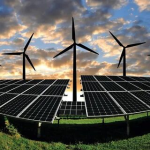
As the global economy pivots toward sustainability, the renewable energy market has emerged as a cornerstone of the transition to a cleaner, more resilient future. Driven by technol...
Introduction
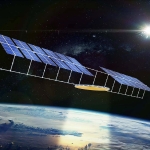
Space-based solar power (SBSP) represents a transformative frontier in renewable energy, offering the potential to harness uninterrupted solar energy from space and transmit it to E...
Introduction
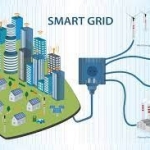
The transition to renewable energy sources is a global priority, with governments, businesses, and individuals increasingly focusing on reducing carbon emissions and ensuring energy...
Introduction
The global shift toward renewable energy sources, driven by environmental concerns and the growing demand for sustainable energy solutions, has significantly increased the adoption ...
Introduction
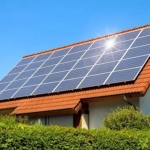
The transition towards sustainable energy is at the forefront of global environmental agendas, and the Building-Integrated Photovoltaics (BIPV) market plays a pivotal role in this m...